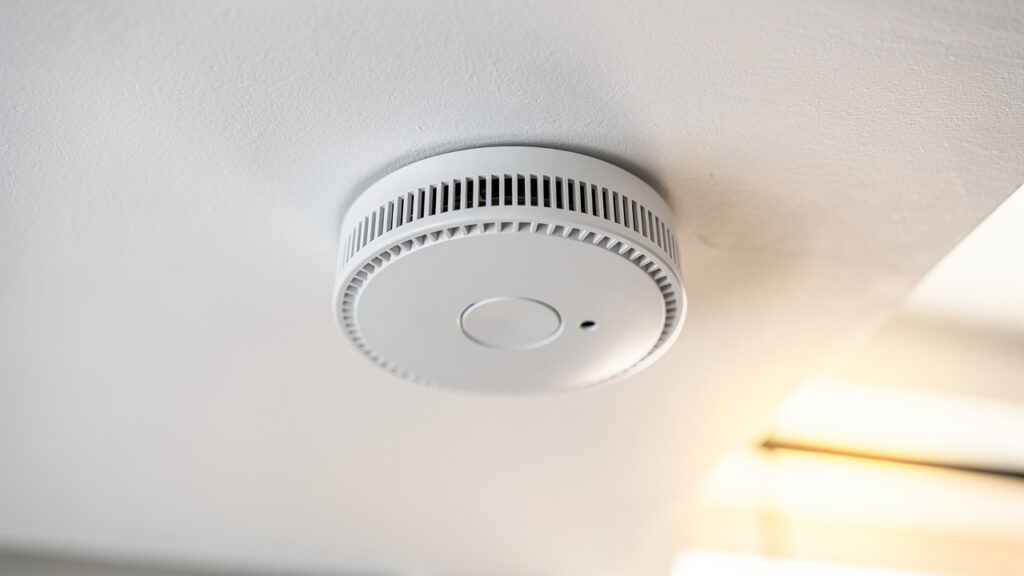
Understanding Queensland’s smoke alarm legislation is essential for every homeowner on the Sunshine Coast to make sure of safety and compliance. Under these laws, any hardwired smoke alarm must be installed by a licensed professional. While you can technically install battery-powered units yourself, using an experienced smoke alarm electrician Sunshine Coast makes sure of correct placement, reliable interconnection, and full legal certification. Engaging a local expert like Sunshine Coast Projects & Electrical guarantees your home is fully compliant, protecting your family and assets.
Key Takeaways
-
Queensland’s comprehensive smoke alarm deadline for owner-occupied homes is 1 January 2027.
-
All alarms must be photoelectric, interconnected, and comply with Australian Standard AS 3786-2014.
-
Specific placement is required in all bedrooms, connecting hallways, and on every storey of your home.
-
A licensed electrician is mandatory for any hardwired installations and is the best way to guarantee full compliance, even for battery-powered systems.
-
Regular monthly testing and complete replacement of all alarms every 10 years are important for ongoing safety.
Jump to section
- What Are The Latest Smoke Alarm Requirements In Queensland For Homeowners?
- Understanding Your Options: Which Smoke Alarms Are Compliant In QLD?
- Why Choose A Licensed Smoke Alarm Electrician On The Sunshine Coast?
- Smoke Alarms For Specific Properties: Rentals, Sales, And Renovations
- Common Smoke Alarm Issues & Maintenance: What To Do And When To Replace
- Powering A Safer Sunshine Coast: Your Local Smoke Alarm Experts
- Frequently Asked Questions
What Are The Latest Smoke Alarm Requirements In Queensland For Homeowners?
The latest smoke alarm requirements in Queensland for homeowners are designed to provide the earliest possible warning in a fire emergency. All owner-occupied homes must comply with these new laws by 1 January 2027, which involves upgrading to a system of interconnected photoelectric smoke alarms.
This legislation sets out precise rules for the type of alarm technology used, how they are powered, and exactly where they must be installed within a home to create a thorough safety net.
These regulations are not just about ticking a box; they are a significant step forward in residential fire safety, created to save lives by making sure everyone in a home is alerted simultaneously, no matter where a fire starts. For example, if a fire begins in the lounge room while someone is sleeping in a back bedroom with the door closed, an interconnected system means the alarm in their bedroom will sound immediately, giving them precious extra moments to escape. Adhering to these standards is a electrical safety checklist that also impacts your home insurance and, most importantly, the well-being of your family. A professional assessment from a local team like Sunshine Coast Projects & Electrical can clarify exactly what your property needs to meet these standards and offer peace of mind.
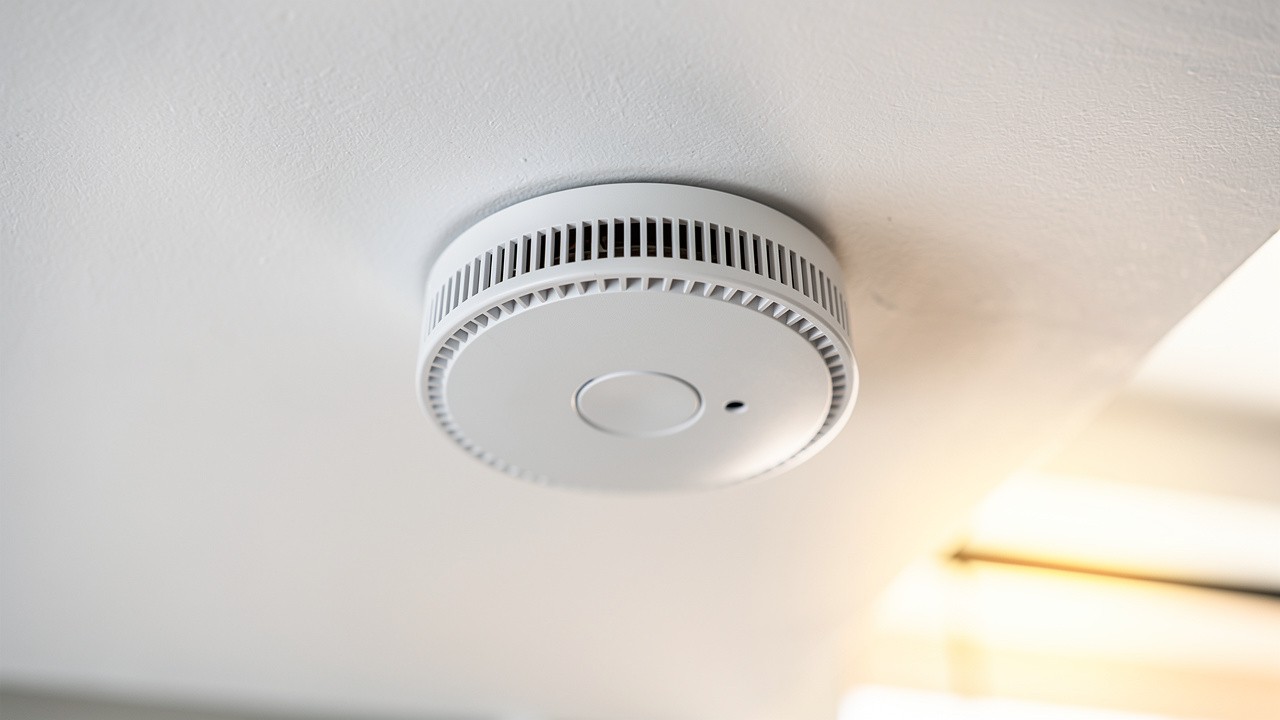
Understanding Queensland’s Phased Rollout And Critical Deadlines
The Queensland Government introduced its updated smoke alarm legislation through a carefully planned phased rollout to give property owners sufficient time to comply. The changes aim to improve early warning systems in homes, significantly increasing the chances of safe evacuation during a fire. Understanding these deadlines is key for Sunshine Coast residents, whether you own a family home, a rental property, or an investment.
The process began on 1 January 2017, when the new rules applied to all newly built homes and dwellings undergoing substantial renovations. This meant any brand-new house or a property undergoing significant structural changes immediately had to meet the higher safety standards.
The next major deadline was 1 January 2022. From this date, any property being sold or leased, including all rental properties, had to meet the new, stricter requirements. This put a significant responsibility on landlords and sellers across the Sunshine Coast. QLD smoke alarm laws could lead to hefty fines, invalidate insurance, and even impact the validity of a lease agreement. For sellers, it could delay settlement if the alarms are not compliant.
The final and most widespread deadline is fast approaching on 1 January 2027. By this date, every single owner-occupied home in Queensland must be fully compliant. Failing to meet this deadline not only puts residents at risk but can also have serious consequences for home insurance claims in the event of a fire. It’s not worth the risk to your family or your assets.
What Are The Mandatory Types And Placement Rules For Compliant Smoke Alarms?
To achieve compliance, homeowners must follow specific technical and installation rules. The law mandates the use of photoelectric smoke alarms, as they are superior at detecting the visible smoke from slow-burning, smouldering fires, which are the most common type in households. Older ionisation alarms are no longer compliant and must be replaced. Ionisation alarms are less effective at detecting smouldering fires, which often produce thick, grey smoke before flames appear.
A central requirement is that all alarms within a dwelling must be interconnected, meaning if one alarm is triggered, all alarms sound together. This can be achieved through physical wiring (hardwired) or via a wireless radio-link (RF) connection. This instant, simultaneous alert is vital, especially in larger or multi-storey homes, or if bedrooms are spread out.
The power source is also regulated. Alarms must be either hardwired to the 240V mains power with a battery backup or be powered by a non-removable 10-year lithium battery. Critically, all alarms have a maximum 10-year lifespan from their manufacture date and must be replaced once they expire. According to research from Fire and Rescue NSW, this 10-year replacement rule is important for reliability, as sensors can degrade over time.
Deliberate placement is also mandatory under the Australian Standard AS 3786-2014:
-
One smoke alarm must be installed in every bedroom.
-
An alarm must be placed in hallways that connect bedrooms to the rest of the house.
-
If there is no hallway, an alarm must be located in the most likely path of escape.
-
Every storey of the home must have at least one smoke alarm. This includes any basement or garage if it is connected internally to the living areas.
-
Alarms should be installed on the ceiling where possible, at least 30cm from walls and corners to avoid “dead air” spaces where smoke might not reach quickly.
Expert Tip: While the rules define minimum placement, a licensed electrician can identify optimal locations in your specific Sunshine Coast home, accounting for its unique layout, prevailing sea breezes, and potential fire risks to maximise safety and minimise nuisance alarms.
Understanding Your Options: Which Smoke Alarms Are Compliant In QLD?
When upgrading your home’s fire safety system, understanding which smoke alarms meet Queensland’s strict laws is essential for making an informed decision. The legislation requires photoelectric, interconnected alarms, but gives homeowners options between hardwired systems, those powered by 10-year lithium batteries, or even a hybrid of both. The right choice often depends on your home’s age, construction, and existing electrical setup, especially in older coastal properties around the Sunshine Coast.
Selecting the correct type of alarm and making sure of its deliberate placement are equally important for achieving both legal compliance and the highest level of protection. A professional electrician can assess your property’s unique layout and recommend the most effective and efficient solution. This ensures that your system not only meets the letter of the law but also functions flawlessly to provide maximum warning time in an emergency.
What’s The Difference Between Hardwired And Wireless Interconnected Smoke Alarms?
Hardwired interconnected smoke alarms are physically connected to your home’s 240V mains power supply and to each other. This is an extremely reliable method, as the primary power source is constant, and each unit still contains a backup battery for power outages. Hardwired systems offer:
-
Constant Power: Always powered by your home’s electricity, meaning no concerns about primary battery life.
-
Reliability: Considered highly dependable, especially with a battery backup.
-
Reduced Maintenance: Primarily involves testing, cleaning, and eventual 10-year replacement.
This option is often preferred for new homes or during major renovations when running new cables is straightforward. However, installing them in an older home without existing wiring can be more invasive and definitely requires a licensed smoke alarm electrician Sunshine Coast.
Wireless radio-link interconnection offers a more flexible solution. These alarms communicate with each other using a secure radio frequency. When one detects smoke, it sends a wireless signal to trigger all other units. They are typically powered by sealed 10-year lithium batteries, making them ideal for older Sunshine Coast properties, homes with concrete ceilings, or multi-storey layouts where running new wires is difficult or costly. Wireless systems offer:
-
Flexibility: Easier to install in existing homes without extensive rewiring.
-
Cost-Effective Retrofit: Generally less disruptive and potentially less expensive for older homes.
-
Portability (if applicable): Some battery models can be relocated more easily if minor layout changes occur.
Sunshine Coast Projects & Electrical has the expertise to install both systems and can even create a hybrid solution to suit your home’s specific needs, ensuring the best blend of safety and practicality.
Which Brands Of Photoelectric Smoke Alarms Does Sunshine Coast Projects & Electrical Recommend?
Choosing a high-quality, reliable smoke alarm is just as important as correct installation. To make sure of longevity, reduce frustrating nuisance alarms, and provide dependable protection, it is best to use brands that are compliant with AS 3786-2014 and have been rigorously tested for Australian conditions. Cheap, uncertified alarms can fail when you need them most and may not meet the standards required by your home insurance provider, potentially invalidating a claim.
At Sunshine Coast Projects & Electrical, we exclusively install reputable brands known for their performance, long-term reliability, and minimal false alarms. These include industry leaders like Brooks, PSA, Red, and Clipsal, which are trusted by electricians across the country. We also recommend brands such as Cavius and Emerald, which offer innovative designs without compromising on safety or compliance. Using premium equipment from these manufacturers ensures you receive a product backed by a solid warranty, providing you with years of hassle-free protection and complete peace of mind. Our team carefully selects products that are robust enough to withstand the Queensland climate.
Why Choose A Licensed Smoke Alarm Electrician On The Sunshine Coast?
Choosing a licensed electrician for your smoke alarm installation is an important step towards guaranteeing your family’s safety and meeting legal obligations. While some aspects of the upgrade may seem simple, Queensland law strictly requires a licensed professional for any hardwired alarm work. Furthermore, an expert’s knowledge is valuable for guaranteeing correct placement and proper interconnection for all system types, including wireless ones.
A professional company like Sunshine Coast Projects & Electrical brings years of local experience and guarantees its workmanship, offering a transparent and stress-free path to compliance — including issuing an electrical safety certificate QLD that confirms all work meets the required legal standards. By engaging a professional, you are not just buying a product; you are investing in an expert service that eliminates guesswork and makes sure your home’s first line of defence against fire is installed perfectly. This professional certification is also important for your records and for any potential insurance matters, providing undeniable proof of compliance.
Do I Need A Licensed Electrician To Install Smoke Alarms In Queensland, Or Can I Do It Myself?
This is a very common question from homeowners, and the answer is clear. Under Queensland law, any smoke alarm that connects to your home’s 240V mains power supply must be installed by a licensed electrician. There are no exceptions to this rule. Attempting to do this work yourself is illegal but also extremely dangerous but also extremely dangerous, carries a risk of electrocution, and could invalidate your home insurance. It’s a job for qualified professionals who understand electrical safety standards.
While you are technically permitted to install battery-only alarms yourself, it is still highly recommended to use a professional. A licensed smoke alarm electrician Sunshine Coast guarantees that the alarms are placed in the correct locations to comply with legislation, which often involves more than just screwing them into the ceiling. They will also make sure the wireless interconnection between units is set up correctly and provide an official compliance certificate, which is essential for landlords, sellers, and for your own peace of mind. Using an expert like Charlie Doblo from Sunshine Coast Projects & Electrical removes all doubt and ensures your system is effective.
How Can Sunshine Coast Projects & Electrical Help You Achieve Smoke Alarm Compliance?
Sunshine Coast Projects & Electrical offers a complete and hassle-free service to make sure your home meets all Queensland smoke alarm requirements. We begin with an expert compliance assessment, visiting your property to evaluate your current system and identify exactly what is needed to meet the 2027 legislation. Our team supplies and installs only high-quality, AS 3786-2014 compliant photoelectric alarms from trusted brands like Brooks, PSA, and Red.
Our licensed electricians are experts in both hardwiring new systems and installing smooth wireless radio-link alarms where wiring isn’t practical. With over 20 years of industry experience on the Sunshine Coast, we back all our work with a 12-month workmanship guarantee. Our process is designed for your convenience, offering:
-
No call-out fees
-
Fast and free quotes
-
Our “$100 On-Time Guarantee” – we value your time.
We provide not just an installation, but a complete fire safety solution that protects your family and your property, tailored to the specific needs of your Sunshine Coast home.
Smoke Alarms For Specific Properties: Rentals, Sales, And Renovations
The smoke alarm requirements in Queensland extend beyond owner-occupied homes, with specific and stricter rules for properties that are being rented, sold, or renovated. Landlords and property vendors faced a compliance deadline of 2022, and non-compliance can have significant legal and financial consequences. For those renovating, the project presents a perfect opportunity to incorporate a fully compliant system efficiently and cost-effectively.
Understanding these details is essential for property managers, investors, and homeowners planning to modify their properties on the Sunshine Coast. A licensed electrician is your best partner in navigating these scenarios, making sure all work is documented, certified, and meets the required legal standards without causing delays to your lease, sale, or renovation project.
What Are The Smoke Alarm Requirements For Rental Properties And Homes Being Sold?
For landlords and property managers, the deadline to comply with the new smoke alarm legislation for all rental properties was 1 January 2022. This means that at the start of any new lease or a lease renewal, the property must have a fully compliant system of interconnected photoelectric smoke alarms. Landlords hold the liability for making sure of this, and regular testing and maintenance are ongoing obligations. This includes cleaning the alarms annually, replacing batteries (for non-10-year sealed units), and checking they are functional. Failure to comply can result in substantial fines, disputes with tenants, and voided insurance policies — a risk highlighted in interventions for promoting smoke alarm ownership research, which found that structured compliance programmes significantly improve alarm functionality and safety outcomes. Sunshine Coast Projects & Electrical provides tailored services for property managers, including compliance reporting and issuing the necessary certificates.
Similarly, anyone selling a property in Queensland has a legal duty to make sure the home’s smoke alarms are compliant before the settlement date. According to the Queensland Government, vendors must declare on the property transfer form (Form 24) that the dwelling meets the requirements. Failure to do so can delay the sale, lead to penalties, or even give the buyer grounds to pull out of the contract. We offer swift compliance audits and provide the documentation needed by conveyancers to make sure of a smooth transaction.
How Do Renovations Impact Smoke Alarm Compliance And Electrical Upgrades?
Home renovations often involve changing a property’s layout, such as removing walls, adding an extension, or converting a room into a new bedroom. These modifications directly impact where smoke alarms must be located to remain compliant. For instance, creating a new bedroom or hallway will require the installation of a new, interconnected smoke alarm in that space. Even converting a garage or rumpus room into a habitable area could trigger new requirements.
A renovation is the ideal time to perform a thorough electrical upgrade. While our electricians are on-site for other tasks like installing new lighting, ceiling fans, or power points, incorporating a hardwired smoke alarm system becomes much more cost-effective. It allows for a smooth installation with minimal disruption to finished surfaces and presents an opportunity to assess your switchboard and overall electrical safety. Sunshine Coast Projects & Electrical specialises in incorporating fire safety upgrades into renovation plans, making sure your modernised home is also a safer one, fully up to current standards.
Common Smoke Alarm Issues & Maintenance: What To Do And When To Replace
Even the best smoke alarms can cause frustration when they malfunction, and knowing how to handle common issues is important to maintaining your system. Nuisance chirping or false alarms are often signs that your alarm needs attention, whether it’s a simple battery change or a signal that the unit has expired. Regular maintenance is not just good practice; it is a very important part of making sure your alarms will work when you need them most, especially for Sunshine Coast homeowners living near the coast where salt air can sometimes affect electronics.
All smoke alarms, without exception, have a limited lifespan and must be replaced every 10 years from their manufacture date. Understanding the signs of a failing alarm and following a simple maintenance schedule can prevent annoying disruptions and, more importantly, make sure your family remains protected.
Why Does My Smoke Alarm Keep Beeping Or Chirping, Especially At Night?
That persistent, intermittent chirp from a smoke alarm is almost always a diagnostic alert. The most common cause is a low battery. This often happens at night because lower temperatures cause a slight drop in battery voltage, triggering the warning. If you have a standard 9V battery alarm, try replacing the battery first.
However, if you have a sealed 10-year unit or have already replaced the battery in a standard model and the chirping continues, there is another issue. The beeping could be an end-of-life warning, indicating the alarm has reached its 10-year expiry and must be replaced. It can also be caused by dust, humidity (common on the Sunshine Coast), or small insects getting inside the sensor chamber. In some cases, it may point to a fault in the unit or its wiring. It’s important not to ignore these warnings; contact a professional to diagnose the problem. A malfunctioning alarm is a serious safety concern. Sunshine Coast Projects & Electrical even offers a “Get Some Sleep Guarantee” for same-day resolution of these nuisance alarms.
What Is A Practical Smoke Alarm Compliance Checklist For Sunshine Coast Homeowners?
Assessing your home’s compliance can feel complicated, but a simple checklist can help you identify possible issues and prepare for the 2027 deadline — the CPSC smoke alarm ownership study underscores how regular self-assessments and testing routines are among the most effective tools homeowners have for maintaining reliable alarm systems. Run through these questions to get a clearer picture of where your property stands.
-
Alarm Type: Are all your alarms photoelectric and do they meet Australian Standard AS 3786-2014? (Check for the AS number on the alarm itself).
-
Interconnection: Do all alarms sound simultaneously when you press the ‘test’ button on one? You should hear every alarm in your home activate.
-
Placement: Do you have an alarm in every bedroom, in the hallways connecting them, and on every level of your home (including any internal garages or basements)?
-
Power Source: If hardwired, do they have a battery backup? If battery-only, is it a 10-year non-removable lithium battery?
-
Age: Check the manufacture date on each alarm (usually on the back or side). Is any unit more than 10 years old?
-
Functionality: Do you test all your alarms every month by pressing the test button until they sound?
-
Documentation: If you rent out or are selling your property, do you have a compliance certificate from a licensed electrician? For owner-occupiers, keeping records of installation and replacement dates is also good practice.
If you answered ‘no’ or ‘I don’t know’ to any of these, it is time to contact a licensed smoke alarm electrician Sunshine Coast for a professional assessment. Addressing these points now ensures your family’s safety and avoids last-minute compliance rushes.
Powering A Safer Sunshine Coast: Your Local Smoke Alarm Experts
Making sure your home complies with Queensland’s smoke alarm legislation is one of the most important steps you can take to protect your family and property. Navigating the requirements for photoelectric, interconnected systems can be complex, but it doesn’t have to be a stressful process. With the 1 January 2027 deadline approaching for all homeowners, now is the time to act. Don’t wait until the last minute, as demand for electricians will increase.
Sunshine Coast Projects & Electrical is committed to delivering reliable, compliant, and stress-free solutions. As your local, experienced, and trustworthy smoke alarm electrician Sunshine Coast, we provide transparent advice and guaranteed workmanship. We are here to help power a safer community, one home at a time. Contact us today for a free compliance assessment and make sure your home is protected and compliant well before the deadline.
Frequently Asked Questions
Question: What exactly are the new Queensland smoke alarm laws, and when do they apply to my owner-occupied home?
The laws mandate interconnected, photoelectric smoke alarms in all bedrooms, hallways, and on every storey of your home. These alarms must meet AS 3786-2014 and be replaced every 10 years. For owner-occupied homes, the final deadline for full compliance is 1 January 2027. Rental properties and homes being sold had earlier deadlines that passed in 2022.
Question: How much does it typically cost to install or upgrade smoke alarms to meet QLD compliance?
Costs vary based on your home’s size, layout, the number of alarms required, and whether you opt for hardwired or wireless systems. Factors like existing wiring and ceiling types (e.g., concrete ceilings in some older Sunshine Coast units) also play a role. A standard Sunshine Coast home might range from $150 to $900. Sunshine Coast Projects & Electrical provides fixed, itemised quotes upfront with no hidden fees or call-out charges.
Question: What does “interconnected smoke alarms” mean, and why are they mandatory in Queensland?
Interconnected means if one alarm detects smoke, all alarms throughout your property sound at the same time. This is mandatory in QLD to provide the earliest possible warning to everyone in the house, especially those sleeping behind closed doors, greatly improving safety and evacuation times. It means no matter where a fire starts, everyone gets an immediate alert.
Question: Can I install new 10-year battery smoke alarms myself, or do I need a licensed electrician?
While you can technically install battery-powered alarms yourself, any work on hardwired alarms must be done by a licensed electrician in Queensland. For guaranteed compliance with specific placement rules, proper interconnection (even for wireless systems), and official certification for insurance and peace of mind, a professional is always recommended for all system types. They understand the nuances of the legislation.
Question: How often should I test my smoke alarms, and when do they need to be replaced?
You should test your smoke alarms every month by pressing the ‘test’ button until they sound. It’s also a good idea to gently clean them with a vacuum cleaner brush annually to remove dust. All smoke alarms, regardless of their type, have a maximum legal lifespan of 10 years from the date of manufacture. They must be replaced immediately upon reaching this age or if they fail a test. The manufacturing date is usually printed on the back of the alarm.
Question: When should I call a professional smoke alarm electrician on the Sunshine Coast?
You should call a professional if you need new hardwired alarms installed, if you are unsure about your home’s compliance, if your alarms are frequently chirping (after changing batteries if applicable), if they are over 10 years old, or if you are renovating, selling, or renting out your property. A licensed smoke alarm electrician Sunshine Coast like Sunshine Coast Projects & Electrical can make sure your home is safe and fully compliant.