Old wiring in Sunshine Coast homes can pose serious safety risks, including electrical fires, electric shock, and frequent circuit failures. Wiring installed before the 1980s often lacks modern safety features like safety switches (RCDs) and may have deteriorated insulation that cannot handle today’s electrical loads. A professional electrical inspection can identify hazardous wiring and determine whether repairs or a full rewiring are needed to keep your home safe and compliant with Australian standards.
Is Old Wiring Putting Your Sunshine Coast Home at Risk?
Imagine your Sunshine Coast home as a living, breathing entity. You update the paint, modernize the kitchen, and install new, energy-efficient appliances. But beneath the surface, running through its very core, is an electrical system that might be decades old. While out of sight, this network of old wiring is often the most overlooked, yet most important, component of your home’s well-being and security. The truth is that wiring standards have changed significantly since electricity was first introduced to Australia in 1888, and systems installed even 40 years ago are simply not built to handle our current, power-hungry ways of living.
This isn’t just a matter of inconvenience; it’s a serious safety concern. According to Energy Safe Victoria, fire brigades respond to over 300 residential electrical fires each year, many directly caused by old, degraded wiring. Here on the Sunshine Coast, with our beautiful mix of classic Queenslanders and older brick homes, this hidden danger is a real and present risk. The threat of electrical fires and electrocution from compromised wiring is something no homeowner should ignore.
“Electrical fires, while often preventable, remain a leading cause of property damage and injury in homes with outdated electrical systems.” – Electrical Safety Foundation International (ESFI)
Being proactive about understanding your home’s electrical system is one of the most important steps you can take to protect your property and your family. Recognising the warning signs and knowing when to call in a professional can make all the difference. As a local, licensed Master Electrician with over 20 years of experience, Sunshine Coast Projects & Electrical is dedicated to making sure homes in our community are safe. This guide will walk you through the hidden risks, help you identify warning signs, and explain the important steps to secure your home’s electrical future.
Key Takeaways
-
Wiring in homes built before the 1980s, such as knob and tube wiring, presents substantial fire and electrocution hazards. This is due to insulation that degrades over time and an inability to safely manage the electrical load of current appliances.
-
Common warning signs like flickering lights, frequently tripping circuit breakers, discoloured power points, or a distinct burning smell are urgent signals that your home’s old electrical wiring is compromised and needs immediate professional attention.
-
Current electrical safety standards, which include devices like RCD safety switches, modern circuit breakers, and proper grounding, provide vital protection that is often missing in older homes with outdated systems.
-
A professional electrical safety inspection is the only reliable way to identify hidden dangers. If hazardous wiring is found, expert rewiring by a licensed electrician is essential for your home’s long-term safety and compliance with Australian standards.
-
Sunshine Coast Projects & Electrical offers comprehensive and licensed electrical services, from detailed inspections and complete house rewiring to 24/7 emergency callouts, giving local homeowners total peace of mind.
The Hidden Fire Risks and Outdated Wiring Types in Sunshine Coast Homes
The charm of an older Sunshine Coast property often comes with hidden liabilities, and the most dangerous of these can be its old wiring. Electrical systems from decades past were not designed with current technology in mind. The many devices we plug in—from high-powered kitchen appliances to multiple chargers and entertainment systems—places a significant strain on old circuits that they were never meant to handle. This overloading, especially from devices like air conditioners, electric ovens, and multiple charging stations, is a primary cause of overheating, which can melt insulation and ignite surrounding timber frames, leading to a devastating fire.
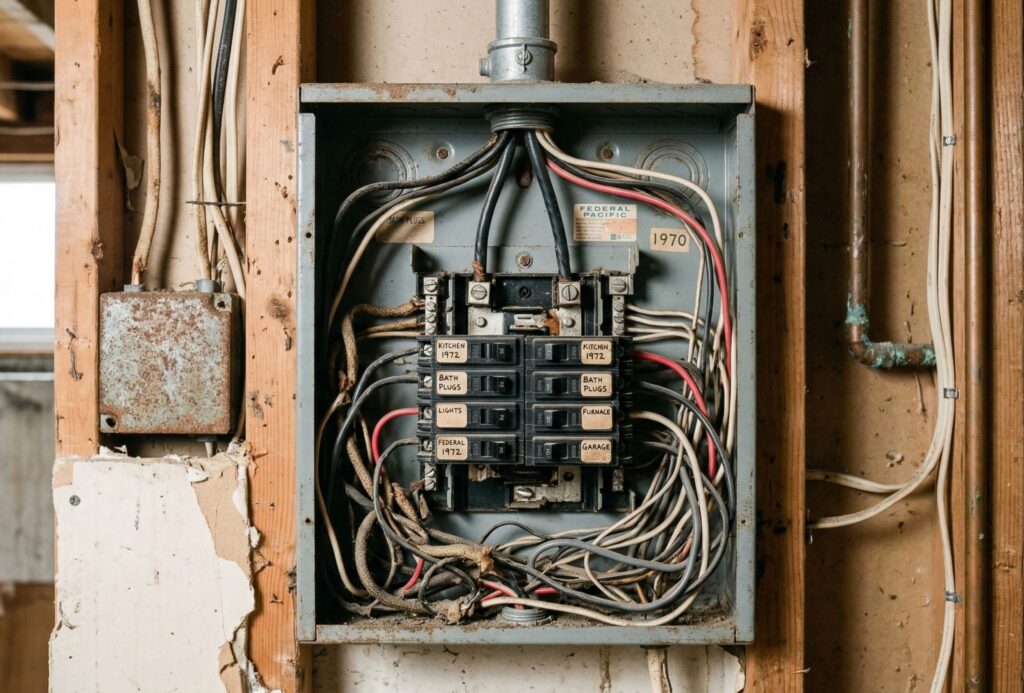
A significant issue with old house wiring is the material itself. Early forms of insulation, primarily rubber-based, become brittle and decay over time. As the insulation cracks and falls away, it exposes the live copper conductors. This creates a severe risk of an electrical arc—where electricity jumps between exposed wires—generating intense heat and sparks that can easily start a fire within your walls or ceiling cavity. The lack of proper containment for these exposed wires inside walls is a constant danger.
Furthermore, these antiquated systems lack the essential safety features that are now mandatory in all current homes. Today’s electrical codes require Residual Current Devices (RCDs), also known as safety switches, which can detect tiny imbalances in the electrical current and shut off the power in milliseconds to prevent electrocution. They also mandate up-to-date circuit breakers designed to trip before a circuit can dangerously overheat. Many older Sunshine Coast homes, particularly those built before 1980, lack these life-saving protections, leaving residents vulnerable to electrical shocks and fires.
Identifying Common Hazardous Wiring in Australian Homes
Knowing what to look for is the first step in assessing your risk, though a visual check is no substitute for a professional inspection. While only a licensed electrician can safely inspect and identify your wiring, understanding the common types of old electrical wiring found in Australian homes can help you appreciate the potential danger.
-
Lead Sheathed Cable (1880s-1910s): Found in the very oldest properties, these cables are insulated with lead. Over a century, this lead sheathing can degrade, crack, or be damaged, exposing the live internal wires and creating a serious hazard, especially when disturbed.
-
Vulcanised Indian Rubber (VIR) Cable (1910s-1950s): This was a very common type of wiring for many decades. A classic example of its installation method is knob and tube wiring, where individual VIR cables were supported by ceramic knobs and passed through ceramic tubes in timber joists. The rubber insulation on VIR cables is now well past its lifespan, becoming extremely brittle and crumbling at the slightest touch, leaving live wires completely exposed.
-
Tough Rubber Sheathed (TRS) Cable (1940s-1960s): Similar to VIR, the rubber insulation on TRS cables hardens and breaks down with age. This deterioration exposes the live conductors, presenting a significant risk of short circuits and electrical fires. Its exterior rubber casing also ages poorly.
-
Infinity + Olsent Branded TPS Cables (2012-2013 Recall): More recently, a major safety recall was issued for these specific cables. The plastic insulation was faulty and can become brittle and crack prematurely, especially in high-heat areas like roof spaces. If you had electrical work done by a less-than-reputable contractor during this time, your home could be at risk even if it is not considered an “old” property.
Urgent Warning Signs: Is Your Home’s Old Electrical Wiring a Hazard?
Your home’s electrical system will often give you clues that something is wrong long before a disaster occurs. Learning to recognise these urgent warning signs is vital for every homeowner. Ignoring them can have serious consequences, so if you notice any of the following issues, it’s time to call a professional electrician immediately.
-
Flickering, Dimming, or Excessively Bright Lights: While a single flickering bulb might just need replacing, if lights throughout your house frequently dim or surge in brightness, it points to a deeper problem. This often indicates an unstable power supply caused by loose connections, deteriorating old wiring, or an overloaded circuit struggling to maintain a consistent current.
-
Fuses Blowing Regularly or Circuit Breakers Tripping Frequently: Modern circuit breakers are designed to trip to prevent an overload. If this happens often, perhaps when certain appliances are used, it’s a clear signal that your circuits are being pushed beyond their capacity. This is especially common in older homes where the electrical system wasn’t designed for the high electrical load of current appliances. It’s your system’s cry for help, warning of potential overheating.
-
Discoloured Outlets and Sparking: Any scorch marks, charring, or brown discolouration around your power outlets or light switches are critical signs of danger. This is caused by excessive heat building up from a poor connection or short circuit, which is melting the plastic and poses an immediate fire risk. If you see sparks when plugging in an appliance, immediately stop using that outlet and have it inspected.
-
Unusual Noises and Burning Smell from Power Outlets or Switches: Your electrical system should be silent. Any buzzing, crackling, or humming sounds from outlets, switches, or your switchboard can indicate an electrical arc, where power is jumping between connections. A faint smell of burning plastic or rubber is an even more direct warning that wires are overheating and insulation is melting, requiring urgent attention.
-
Over-reliance on Extension Cords and Power Boards: If you find yourself using extension cords and multi-outlet power boards in every room because there aren’t enough wall outlets, it’s a strong indication that your home doesn’t have enough safely installed power outlets. Overloading a single outlet with multiple high-power devices is a common cause of electrical fires and circuit damage.
-
Age of the Home (40-50+ years old with original wiring): As a general rule, if your property is over 40 years old and still has its original electrical system, it is at high risk of having degraded wiring and lacking fundamental safety features. The materials have likely passed their intended lifespan, and the system certainly won’t meet today’s mandatory safety standards. A professional inspection is highly recommended for such properties.
Modern Electrical Safety: Why Upgrading Your System is Non-Negotiable
The difference between old electrical wiring types and a contemporary system is night and day, primarily due to significant advancements in safety standards. Electrical safety has moved from rudimentary measures to a sophisticated, multi-layered approach designed to protect both life and property. Upgrading isn’t just about convenience; it’s about bringing your home up to a non-negotiable standard of safety.
“Electrical systems are not set-it-and-forget-it components of a home. They require periodic assessment and modernization to keep pace with technology and safety innovations.” – An electrical safety expert
The Australian Wiring Rules (AS/NZS 3000) are regularly updated, with the latest major revision happening as recently as 2018. This means that an installation from the 1990s, while compliant at the time, may no longer meet the current benchmark for safety. These updates reflect new knowledge about electrical hazards and improved technologies. A key part of a contemporary system is the use of durable, heat-resistant thermoplastic sheathed (TPS) cabling, which has a far longer and more reliable lifespan than the brittle rubber used in the past.
Here are the important safety features that define a contemporary electrical system:
-
Circuit Breakers vs. Old Fuses: While old fuse boxes offered basic protection, they are now obsolete. Modern circuit breakers are far more sensitive and react instantly to overloads or short circuits by shutting off the power before damage occurs. They prevent wires from overheating and can be easily reset with a flip of a switch, unlike old fuses that need replacing.
-
Residual Current Devices (RCDs) / Safety Switches: This is perhaps the most important safety invention in residential electrics. An RCD constantly monitors the flow of electricity in a circuit. If it detects a tiny leakage of current to earth—such as what would happen if a person touched a live component—it shuts the power off in a fraction of a second, preventing a potentially fatal electric shock. Every home should have these installed.
-
Proper Grounding Systems: A grounding (or earthing) system provides a safe path for stray electrical current to travel to the earth in the event of a fault. This prevents the metal casings of your appliances from becoming live and delivering a dangerous shock if there’s an internal fault. Many very old homes have inadequate or non-existent grounding, which is a severe safety oversight.
Securing Your Home: Professional Electrical Inspections and Rewiring by Sunshine Coast Projects & Electrical
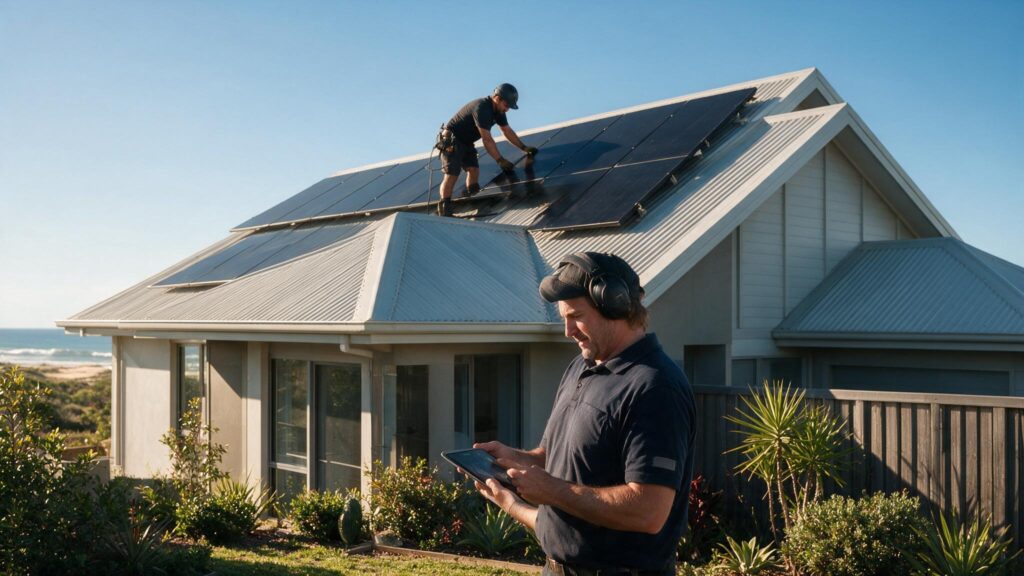
When faced with the potential dangers of old wiring, taking decisive action is essential. In Queensland, it is both illegal and incredibly dangerous to attempt any DIY electrical work. The risks of electrocution, causing a fire, and non-compliance with Australian standards are far too high. The only safe path forward is to engage a licensed, experienced professional like Sunshine Coast Projects & Electrical.
The Important First Step: Professional Electrical Safety Inspections
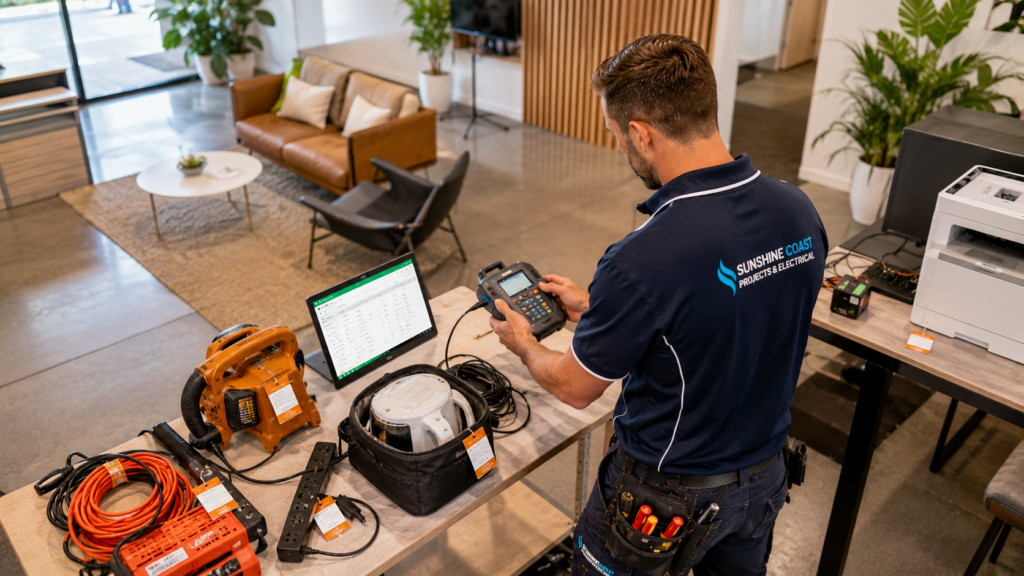
A thorough electrical inspection is the first step to securing your home. Our licensed electricians will conduct a comprehensive assessment to identify any hidden hazards that might not be obvious to the untrained eye. This involves more than a quick look; we examine visible components like your switchboard and power points, and where accessible, inspect the wiring in your roof cavity and inside walls. We can identify outdated wiring like knob and tube electrical systems, check for exposed wires and faulty connections, and verify that your home is protected by modern safety switches and circuit breakers. For home buyers or owners of older properties, this inspection provides an important safety checklist and complete peace of mind, detailing any necessary upgrades.
When Rewiring is Essential: Comprehensive Approaches
If an inspection uncovers dangerous or degraded wiring, replacing old wiring in a house is the most effective way to eliminate the risk permanently. Depending on the situation and your home’s specific needs, we may recommend a full or partial rewiring. A full house rewiring involves replacing all the old, unsafe cables with new, compliant TPS wiring and often includes a switchboard upgrade to handle modern electrical loads. While this is a significant project, it ensures every part of your system is safe and capable of meeting future demands for decades to come. Sometimes, a partial rewire is sufficient to address specific problem circuits or areas of particular concern. We can discuss the cost to rewire an old house and provide a transparent, free quote after a detailed assessment, so you can make an informed decision.
Why Choose Sunshine Coast Projects & Electrical
With over 20 years of experience serving the Sunshine Coast community, we are the local experts in residential electrical rewiring. Our work is performed by fully licensed and insured electricians, guaranteeing compliance with all Australian standards. We pride ourselves on our trustworthy and transparent communication, offering free quotes and a 12-month workmanship guarantee. From identifying hazards to complete upgrades and 24/7 emergency callouts, we provide the expert service you need to keep your home and family safe.
Conclusion
The wiring in your home is its central nervous system, and when it’s old and degraded, it poses a silent but significant threat. The risk of an electrical fire from old wiring is not something to be taken lightly. By learning to recognise the warning signs—flickering lights, tripping breakers, or unusual smells—you empower yourself to act before a minor issue becomes a catastrophe. Understanding the immense safety benefits of modern electrical systems makes the decision to upgrade a clear one.
Protecting your Sunshine Coast home and the people within it is the most important investment you can make. Don’t wait for a dangerous incident to occur. Be proactive about your electrical safety. Contact the trusted local experts at Sunshine Coast Projects & Electrical today for a professional inspection or a free, no-obligation quote. Let us provide you with the peace of mind that comes from knowing your home is truly safe.
FAQs
What is knob and tube wiring and why is it considered dangerous?
Knob and tube wiring is an early electrical method from the 1910s-1950s that used ceramic knobs and tubes to support individual rubber-insulated wires. It’s dangerous because the rubber insulation becomes extremely brittle and crumbles over time, exposing live conductors. It also lacks a safety ground wire, making it a significant fire and electrocution risk.
How often should old electrical wiring in a house be inspected?
For any home on the Sunshine Coast built before 1980, we recommend a professional electrical inspection every 3-5 years, or immediately if you notice any warning signs. It’s also an important inspection to have done before purchasing an older property. Sunshine Coast Projects & Electrical can provide these important safety checks.
Is it illegal to perform DIY electrical work in Queensland?
Yes, it is absolutely illegal for an unlicensed person to perform virtually any electrical work in Queensland. This is due to the severe safety risks involved, including electrocution and fire. For your safety and to ensure compliance with legal standards, always use a licensed Sunshine Coast electrician.
What is the typical cost to rewire an old house on the Sunshine Coast?
The cost to rewire an old house varies greatly depending on the size of the home, the accessibility of the wiring, and whether a full or partial rewire is needed. For an accurate price, it’s best to get a free, no-obligation quote from Sunshine Coast Projects & Electrical following a detailed on-site inspection.