As another warm season approaches on the Sunshine Coast, the familiar dread of summer electricity bills begins to set in. But staying cool doesn’t have to mean breaking the bank. The secret lies in combining the right appliance with a flawless installation process. Making smart choices upfront leads to significant savings and superior comfort for years to come.
This guide is your ultimate resource for making an informed decision. We’ll explore the new energy rating labels, help you choose the right system, and explain why professional energy-efficient air conditioning installations are the most critical investment you can make in your home’s comfort.
Why Energy Efficiency Matters More Than Ever on the Sunshine Coast ☀️
Our beautiful coastal climate means our air conditioners work hard. An inefficient unit not only struggles to keep up on those hot, humid days but also consumes a massive amount of electricity. An energy-efficient model, installed correctly, can reduce cooling energy consumption by up to 40%, according to government estimates. This translates to hundreds of dollars in savings each year and a smaller carbon footprint.
Understanding the ZERL Energy Rating Label Explained
You’ve likely seen the old energy star ratings, but there’s a new, more accurate system in town: the ZERL (Zoned Energy Rating Label). This label provides tailored information based on where you live in Australia, which is a huge step forward for consumers.
What is ZERL?
Introduced for air conditioners sold from 2020, the ZERL label provides a seasonal efficiency rating for three distinct climate zones: hot, average, and cold. For us on the Sunshine Coast, the “hot” zone rating (H) is the most important one to look at.
How to Read the Label for Your Climate Zone
When you look at a ZERL label, you’ll see a map of Australia and corresponding star ratings.
- Blue Stars (Cooling): Look at the rating next to the ‘H’ symbol. The more stars, the more efficient the unit is at cooling in our type of climate.
- Red Stars (Heating): Similarly, the ‘H’ rating for heating shows its efficiency for our mild winters.
- Energy Consumption: The label also shows the estimated annual kilowatt-hour (kWh) usage for each zone, giving you a tangible idea of its running costs.
You can find more detailed information on the official Energy Rating government website.
Choosing the Right System: Split System vs. Ducted Air Conditioning
The two most popular choices for homes are split systems and ducted systems. The right one for you depends on your home’s layout, budget, and cooling needs.
The Pros and Cons of Split Systems
A split system consists of an indoor head unit mounted on a wall and an outdoor compressor unit.
- Pros: Lower upfront cost, ideal for cooling a single room or open-plan area, highly efficient for targeted climate control.
- Cons: Multiple units are needed to cool a whole house, which can be less aesthetic and more expensive in the long run.
When is a Ducted System the Better Choice?
A ducted system uses a central unit, typically hidden in the ceiling, to distribute cool air to multiple rooms via a network of ducts and vents.
- Pros: Provides whole-home cooling, visually unobtrusive (only small vents are visible), can incorporate zoning to turn off cooling in unused rooms.
- Cons: Higher initial investment, requires adequate ceiling space for installation.
3 Ways a Professional Air Conditioning Installation Maximises Efficiency
Buying a 7-star rated unit is a great start, but its real-world performance hinges entirely on the quality of the installation. As expert electricians, this is where we see homeowners either lock in their savings or lose them.
1. Correct Sizing for Your Space
An undersized unit will run constantly without ever properly cooling the room, leading to high bills and a worn-out compressor. An oversized unit will cool the room too quickly and switch off, failing to dehumidify the air properly, leaving you with a cold but “clammy” feeling. Our electrician, Charlie Doblo, performs a proper load calculation to match the unit’s capacity perfectly to your room’s size, window orientation, and insulation.
2. Strategic Unit Placement
The placement of both the indoor and outdoor units is crucial.
- Indoor Unit: Must be positioned to allow for optimal, unobstructed airflow across the room.
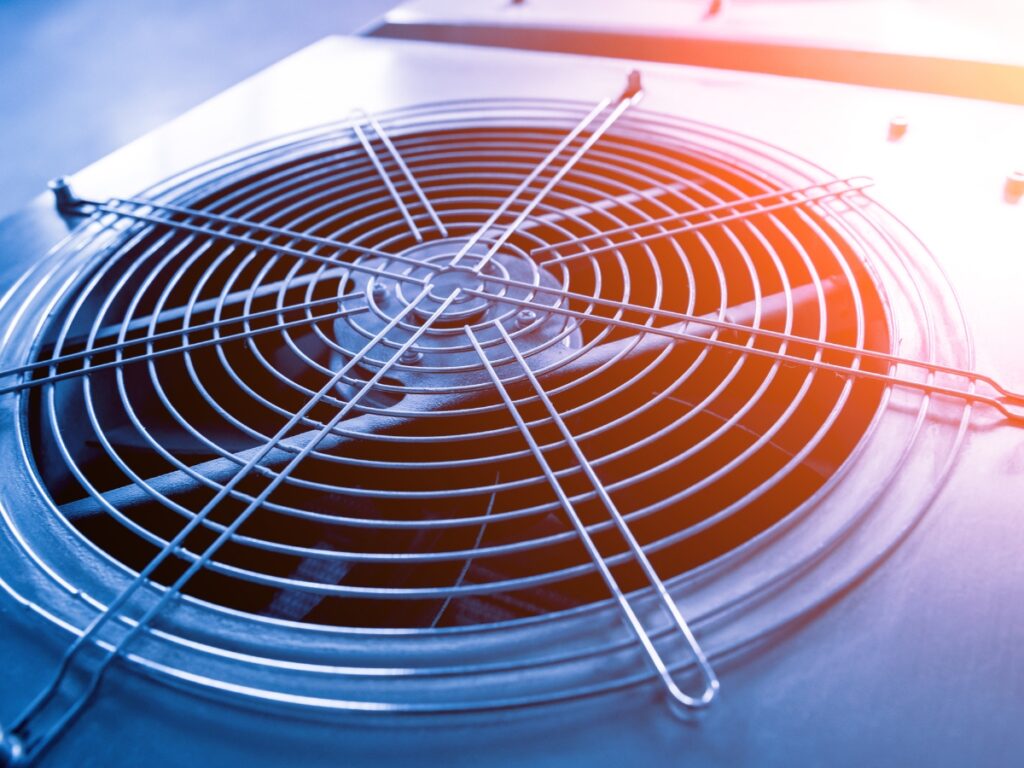
- Outdoor Unit: Needs to be in a shaded, well-ventilated area. Placing it in direct, baking sun can reduce its efficiency by up to 10% as it has to work much harder to shed heat.
3. Flawless Electrical and Refrigerant Work
This is a non-negotiable for both safety and performance. A professional installation guarantees that the electrical wiring is safe and can handle the load, preventing fire hazards. It also ensures the refrigerant lines are correctly installed and charged, as even a small leak can cripple the unit’s efficiency.
Your Checklist for an Energy-Efficient A/C on the Sunshine Coast ✅
- Check the ZERL Label: Prioritise the “hot” zone star rating.
- Choose the Right Type: Split system for a specific area, ducted for the whole home.
- Insist on Correct Sizing: Don’t guess—get a professional load calculation.
- Plan for Unit Placement: Discuss the best spots with your installer.
- Hire a Licensed Professional: Ensure your installer is a licensed electrician and holds an ARC refrigerant handling licence.
- Consider Zoning: If opting for ducted, zoning adds another layer of efficiency.
- Ask About Maintenance: Regular cleaning keeps the unit running efficiently.
Partner with Sunshine Coast’s Air Conditioning Experts
Choosing and installing an air conditioner is a significant investment. Getting it right from the start ensures a decade or more of comfort and energy savings. Don’t leave it to chance.
Ready to enjoy a cool, comfortable, and cost-effective summer? Contact Charlie and the team at Sunshine Coast Projects and Electrical today for a personalised quote on your energy-efficient air conditioning installation.
Frequently Asked Questions
What size air conditioner do I need for my Sunshine Coast home?
The correct air conditioner size depends on more than the room’s floor area. An installer should also consider ceiling height, insulation, window size and orientation, room usage, sunlight exposure and the Sunshine Coast’s warm, humid climate.
An undersized system may run continuously without cooling effectively, while an oversized system can cycle too quickly and provide poor humidity control. A professional load assessment provides the most reliable sizing recommendation.
Is a split system or ducted air conditioner more energy efficient?
A split system is often more efficient when cooling one room or a specific living area because only the occupied space is being conditioned. A ducted system may be more practical for whole-home comfort, particularly when it includes zoning that allows unused rooms to be switched off.
The most efficient choice depends on the home’s layout, the number of rooms being cooled and how the occupants use each area.
What should I look for on the Zoned Energy Rating Label?
Sunshine Coast homeowners should pay particular attention to the cooling performance shown for Australia’s hot climate zone. A higher cooling star rating generally indicates better seasonal energy efficiency under warmer conditions.
The label also provides estimated annual electricity consumption, which can help compare the likely running costs of similarly sized air conditioners.
Where should the indoor and outdoor air conditioning units be installed?
The indoor unit should be positioned where it can distribute air evenly without being obstructed by furniture, walls or curtains. It should not blow directly onto beds or frequently occupied seating areas unless that is specifically preferred.
The outdoor unit needs adequate ventilation and service access. A shaded position may improve operating conditions, but airflow must not be restricted by enclosed spaces, plants or stored items.
Can poor installation increase air conditioning running costs?
Yes. Incorrect sizing, poor unit placement, inadequate insulation around pipework, refrigerant problems, restricted airflow and unsuitable electrical connections can all reduce performance and increase energy consumption.
A correctly installed system should be properly commissioned, tested and matched to the room or home it is intended to cool.
How often should an air conditioner be cleaned or serviced?
Homeowners should check and clean accessible air filters regularly, particularly during periods of frequent use. The required frequency depends on usage, dust, pets and the surrounding environment.
A professional service is commonly arranged every 12 months, or sooner if the system develops reduced airflow, unusual smells, water leaks, excessive noise or noticeably higher running costs.
Can solar power help reduce air conditioning costs?
Yes. Air conditioning often operates during daylight hours when rooftop solar panels are generating electricity. Using solar power directly can reduce the amount of electricity purchased from the grid.
Timers, smart controls and suitable thermostat settings can help align cooling demand with solar production. A battery may also allow stored solar energy to be used later in the day, depending on the system design and household energy use.