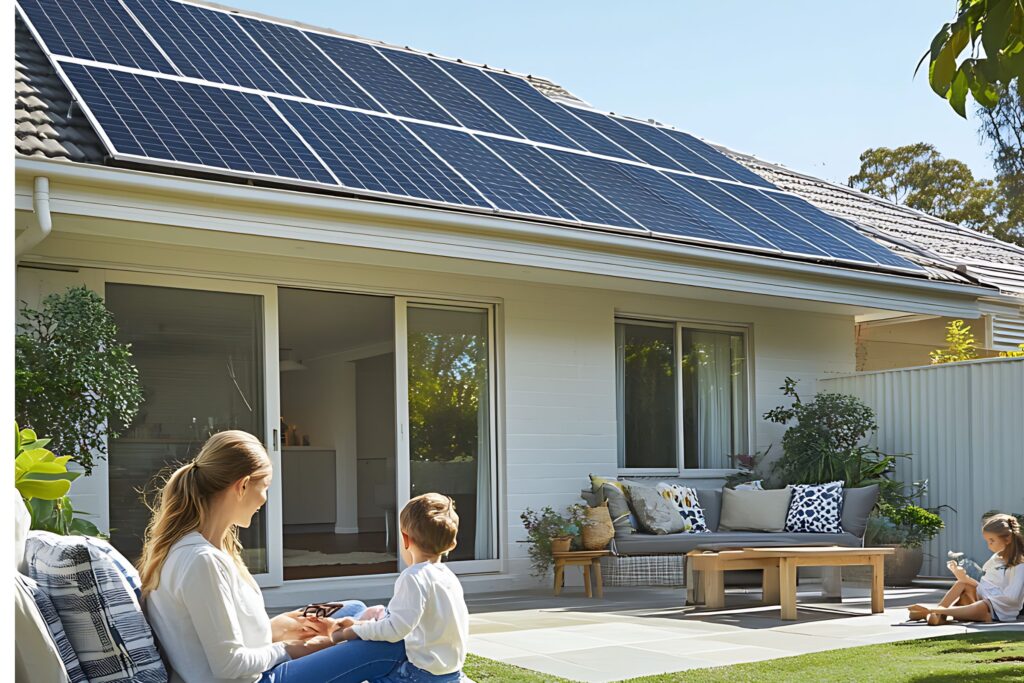
Living on the Sunshine Coast comes with two near-certainties: an abundance of glorious sunshine and an electricity bill that always seems to be on the rise. For years, solar panels have been touted as the ultimate solution—a way to harness our greatest natural resource to combat one of our biggest household expenses.
But here in 2025, with changing rebates and evolving technology, homeowners are rightly asking the crucial question: is solar still worth the investment?
The short answer is a resounding yes. But the reasons why have shifted. The economics of solar are no longer just about feeding power back to the grid for a big credit. Today, it’s a savvy financial strategy centred on energy independence and self-consumption. Let’s break down the real costs and benefits to see why solar remains one of the smartest upgrades a Sunshine Coast homeowner can make.
The Sunshine Coast Advantage: A Perfect Climate for Solar
It’s right there in the name—the Sunshine Coast is a solar power powerhouse. We enjoy a climate that is perfectly suited for photovoltaic generation, receiving an average of 4.5 to 5.0 peak sun hours per day. This is the metric that matters most: it’s the measurement of how much energy a solar panel can be expected to generate. This consistent, high level of solar radiation means that a correctly sized system on a Sunshine Coast roof will produce a significant amount of electricity, year-round.
The Costs: What’s the Real Price of a Solar System in 2025?
Getting a straight answer on solar pricing can be tricky, as it depends on several factors. However, we can break down the key components.
- System Size (kW): The most common choice for an average family home is a 6.6kW system, which offers a great balance of energy production and value. Larger households or those with high-consumption appliances (like pool pumps or electric vehicle chargers) might opt for a 10kW system or larger.
- Component Quality: The price will vary based on the brand and quality of the panels and, just as importantly, the inverter (the device that converts the DC power from the panels into the AC power your home uses).
- The Federal Rebate (SRES): This is the biggest factor in reducing the upfront cost. The Small-scale Renewable Energy Scheme (SRES) provides a point-of-sale discount on your system. This is done through Small-scale Technology Certificates (STCs), the value of which is determined by your system’s size and location. The key thing to know is that this “rebate” is what makes solar in Australia so affordable, but its value decreases slightly every single year until it is phased out completely in 2030. This creates a clear incentive to act sooner rather than later.
Ballpark Figures (as of mid-2025): After the federal rebate is applied, you can expect to see prices for a professionally installed, good-quality system in these ranges:
- 6.6kW System: $5,000 – $8,000
- 10kW System: $8,000 – $12,000
The Benefits: How Solar Saves You Money
This is where the investment pays off. The financial benefits of solar are multifaceted.
- Dramatically Reduced Electricity Bills: This is the primary win. The biggest savings come from consuming the solar power you generate in real-time. By running your high-usage appliances—washing machine, dishwasher, pool pump, air conditioner—during the day, you use your own free electricity instead of buying it from the grid at peak rates.
- Feed-in Tariffs (FiTs): Any excess energy your system produces that you don’t use is automatically exported back to the grid. Your electricity retailer will pay you a small credit for this power, known as a feed-in tariff. While FiTs are lower than they were in the early days of solar, they still provide a welcome bonus that chips away at your remaining bill.
- Increased Property Value: A quality solar installation is a significant selling point. Studies consistently show that homes with solar panels often sell faster and at a premium compared to those without.
- Energy Independence: With solar, you are less vulnerable to the constant electricity price hikes from energy retailers. You are, in effect, locking in a lower electricity rate for the 25+ year lifespan of your panels.
The Payback Period: Your Break-Even Point
This is the bottom line for any investment. The payback period is the time it takes for your savings to equal your initial outlay. On the Sunshine Coast, this timeline is impressively short.
Let’s use a conservative example:
- System Cost (6.6kW): $6,500
- Annual Savings (from reduced bills + FiTs): $1,500 – $1,800
- Payback Period: $6,500 / $1,650 = approx. 3.9 years
For most Sunshine Coast households in 2025, a realistic payback period for a quality solar installation is between 3 and 6 years. With panels warrantied for 25 years, that leaves you with two decades of free electricity.
The Overlooked Factor: Maximising Your Investment with Maintenance
A solar system is a powerful asset, but it’s not a “set-and-forget” appliance. Its performance is directly tied to how clean the panels are. Here on the coast, panels are constantly exposed to dust, pollen, bird droppings, and a fine layer of salt spray—all of which block sunlight and reduce energy production.
Studies have shown that dirty panels can lose between 5% and 25% of their efficiency. That’s a significant chunk of your savings literally being left on the roof.
You wouldn’t buy a new car and never wash the windscreen. Your solar panels are the engine of your home’s energy savings, and they need a clear view of the sun to perform at their peak. While rain provides a light rinse, it doesn’t remove baked-on grime, lichen, or oily residue.
To protect your investment and ensure you’re getting every dollar’s worth of free energy, professional cleaning is essential. Booking a regular clean is one of the smartest and most affordable ways to shorten your payback period and maximise your return on investment.
The 2025 Verdict
So, is solar worth it on the Sunshine Coast in 2025? Absolutely, yes.
The combination of high sunshine hours, significant government rebates (that won’t last forever), and impressively short payback periods makes it a compelling financial decision. It’s an investment that not only slashes your cost of living but also increases your property’s value and reduces your environmental footprint.
For Sunshine Coast residents, going solar is no longer just an alternative choice; it’s the mainstream, savvy decision for a brighter financial future.
Frequently Asked Questions
Is solar still worth installing on the Sunshine Coast in 2025?
For many homeowners, solar remains a worthwhile investment due to the Sunshine Coast's strong solar resource and ongoing electricity costs. The greatest financial benefit usually comes from using as much of the electricity you generate as possible rather than relying solely on feed-in tariffs.
Your savings will depend on your household's electricity usage, roof suitability, system size and the quality of the installation.
How long does it usually take for a solar system to pay for itself?
The payback period varies depending on installation costs, electricity prices, household energy consumption and available government incentives. Many Sunshine Coast households achieve payback within several years when the system is appropriately sized and most of the generated electricity is used on-site.
A personalised assessment provides the most accurate estimate for your property.
Does the federal solar rebate still reduce installation costs?
Yes. Eligible solar systems can still receive an upfront discount through the Australian Government's Small-scale Renewable Energy Scheme (SRES). The value of this incentive gradually decreases over time as the scheme phases down.
Your installer will normally calculate the available STC discount and include it within your quotation.
Will solar completely eliminate my electricity bill?
Not necessarily. While solar can substantially reduce electricity costs, most homes continue to purchase some electricity from the grid, particularly at night or during extended cloudy weather unless battery storage is installed.
The amount you save depends on your energy usage patterns, system size and electricity retailer.
Does cleaning solar panels improve their performance?
Yes. Dirt, salt spray, bird droppings, leaves and other debris can reduce the amount of sunlight reaching the panels, lowering electricity generation over time.
Regular inspection and professional cleaning where required can help maintain system performance and maximise long-term energy production.
How do I choose the right size solar system?
The ideal system size depends on your household's electricity consumption, roof space, future energy needs and whether you plan to add batteries or an electric vehicle charger.
A professional solar assessment can recommend a system that matches your current usage while allowing for future growth where appropriate.
Can installing solar increase the value of my home?
A quality solar installation may make a property more attractive to prospective buyers, particularly those looking to reduce ongoing electricity costs. However, the impact on resale value varies depending on market conditions and the quality, age and condition of the system.
Maintaining documentation, warranties and service records can also add confidence for future buyers.