The Sunshine Coast is blessed with beautiful character homes, from classic Queenslanders in Nambour to charming post-war cottages in Caloundra. While these properties have undeniable charm, their age can hide a significant danger: outdated and unsafe electrical wiring. What you can’t see behind the walls could be the biggest threat to your home and family.
For owners of older properties, a Professional House Rewiring is not just an upgrade; it’s one of the most critical investments you can make in safety, functionality, and peace of mind.
In this guide, our rewiring specialist, Charlie Doblo, explains the common types of old wiring, the tell-tale signs that a rewire is needed, and what the process actually involves.
The Hidden Dangers in Your Walls: Outdated Wiring Explained
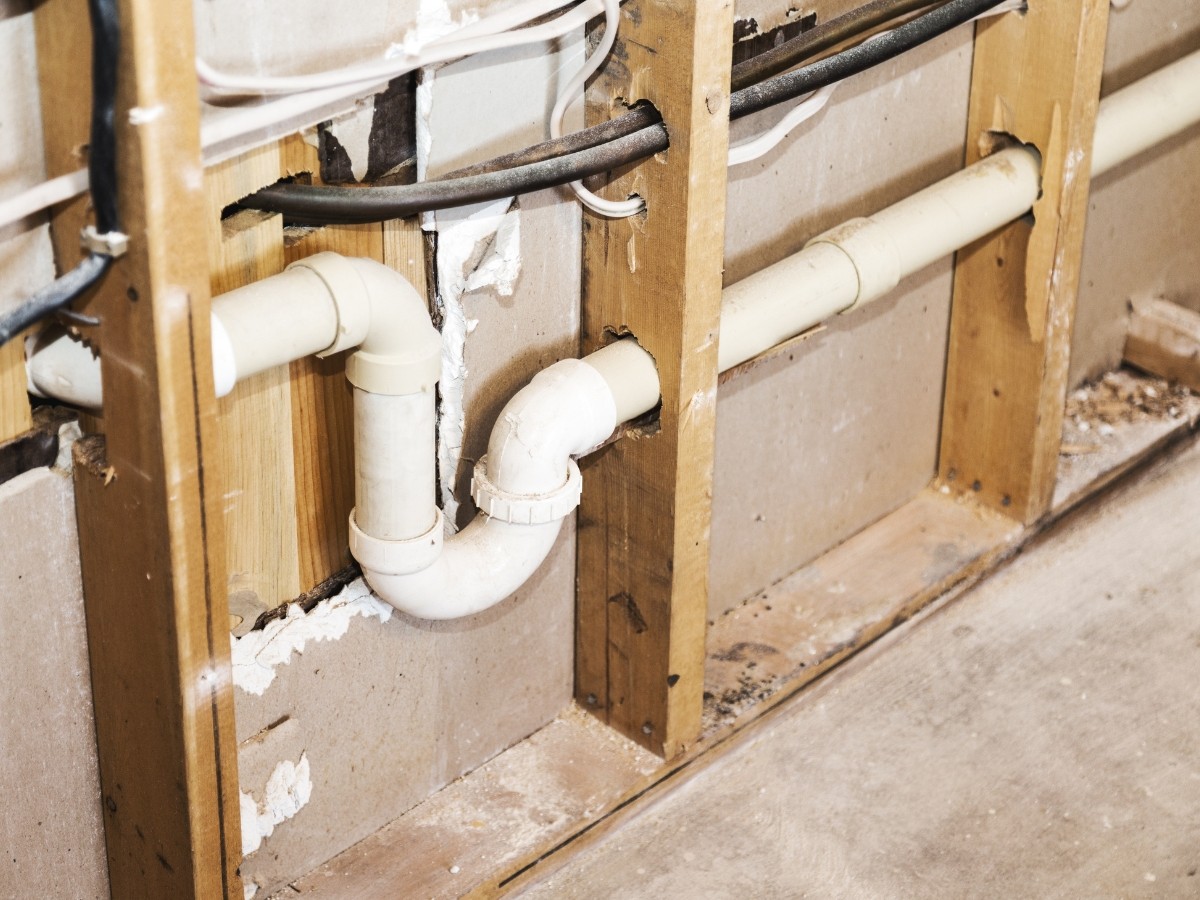
Wiring standards and materials have evolved dramatically over the decades. The wiring installed 50, 60, or 70 years ago was never designed to handle the demands of modern life, and its insulation is likely well past its use-by date.
Vulcanized Indian Rubber (VIR) Wiring
Common in homes built up to the late 1960s, VIR cables are insulated with rubber that becomes extremely brittle over time. The insulation cracks and crumbles away, leaving the live copper conductor exposed. This poses a severe risk of short circuits and electrical fires.
Cloth-Sheathed Cabling
Another common sight in older homes, this wiring uses cloth as a primary insulator. Over the decades, the cloth deteriorates, offering little to no protection. It’s also a favourite snack for rodents, which can further expose live wires.
 Lack of Safety Switches (RCDs)
Modern homes are protected by safety switches (also known as RCDs or ELCBs), which cut the power in a fraction of a second if a fault is detected, preventing severe electric shock. Most original wiring systems in old homes lack this life-saving technology, relying only on crude fuses or circuit breakers that protect against appliance fires but not electric shock.
7 Telltale Signs Your Sunshine Coast Home Needs Rewiring
You don’t have to be an electrician to spot the warning signs. If you notice any of the following, it’s time to call a professional for an inspection:
- Frequently Tripping Fuses or Breakers: A clear sign your circuits are overloaded.
- Flickering or Dimming Lights: Especially when a large appliance like a kettle or air conditioner turns on.
- An Odd, Persistent Burning Smell: This is a major red flag. Call an electrician immediately.
- Discoloured or Scorch-Marked Outlets: Indicates dangerous heat build-up inside the power point.
- Tingling or Small Shocks: From taps, appliances, or light switches. This is extremely dangerous.
- Outdated Power Points: Old, round pin outlets or porcelain fuses in the fuse box.
- Crumbling or Exposed Insulation: If you can see any wiring in your roof space that looks cracked or has crumbling black insulation, it needs immediate attention.
What Does a Professional House Rewiring Project Involve?
A full rewire is a significant project, but we manage it systematically to minimise disruption.
- Step 1: Comprehensive Electrical Assessment: We conduct a thorough inspection of your entire electrical system to identify the type of wiring and assess the scope of the project.
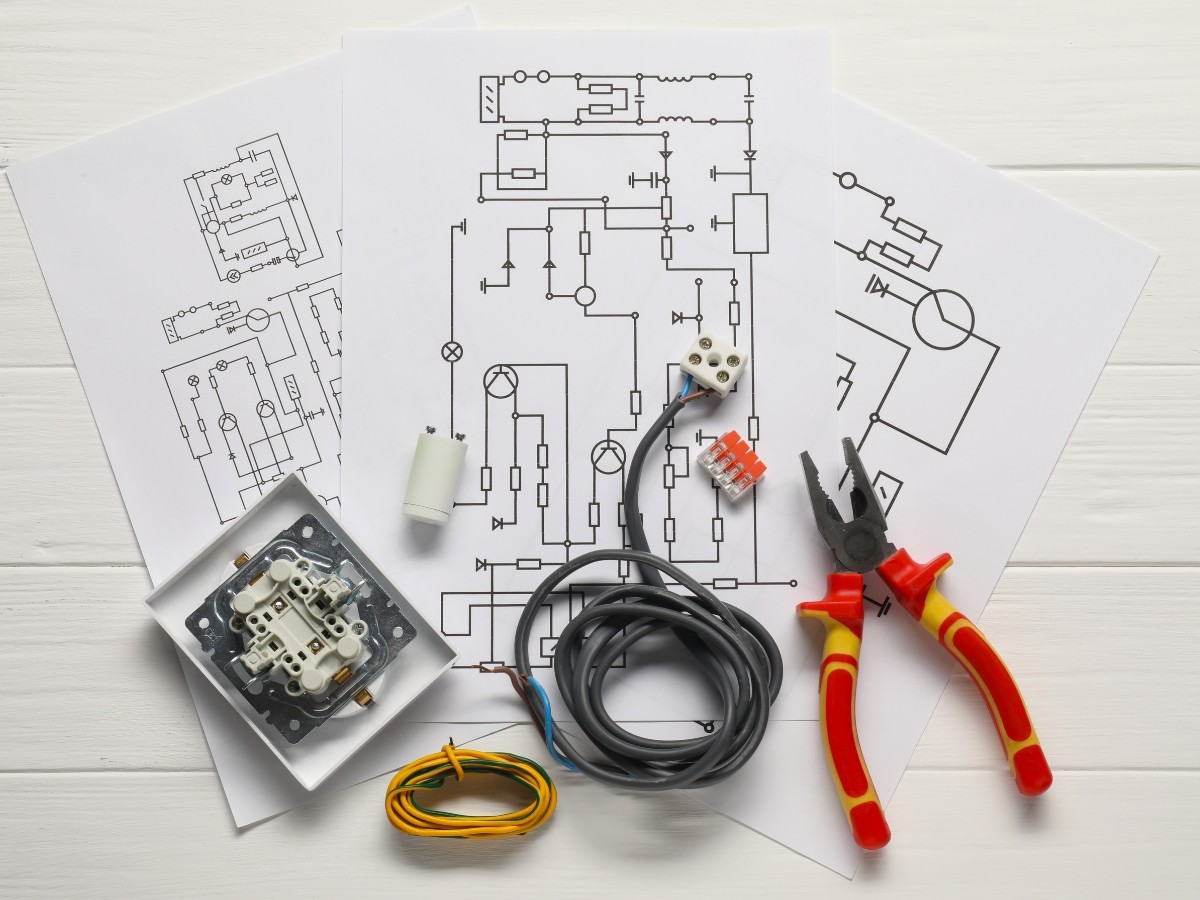
- Step 2: Planning and Circuit Design: We design a new, modern electrical plan that meets your current and future needs, with dedicated circuits for high-power appliances like ovens and air conditioners.
- Step 3: The Rewiring Process: Our licensed electricians carefully run new, modern TPS (Thermoplastic-sheathed) cabling throughout your home, replacing all the old, unsafe wires.
- Step 4: Switchboard Upgrade and Safety Switch Installation: A full rewire almost always includes a complete switchboard upgrade. We install a new board with individual circuit breakers and multiple safety switches for whole-home protection, as required by the Australian Standard AS/NZS 3000.
- Step 5: Final Testing and Certification: We rigorously test every circuit, outlet, and switch before providing you with a certificate of electrical safety, confirming your home is fully compliant and safe.
The Long-Term Benefits: More Than Just Safety
While safety is the number one reason to rewire, the benefits don’t stop there.
- Increased Property Value: A certified rewire is a major selling point for buyers.
- Meet Modern Demands: You can confidently run all your modern appliances and tech without overloading circuits.
- Insurance Compliance: Ensures your home is compliant with the terms of your insurance policy.
- Future-Ready: Your home is prepared for future technology like EV chargers or solar power.
Trust Your Home to Certified Rewiring Experts
Your home’s electrical system is its heart. A professional house rewiring is a complex job that should only ever be trusted to licensed, experienced, and insured electricians.
Don’t risk the safety of your home and family on outdated wiring. If you’ve noticed any of the warning signs, or simply want peace of mind, it’s time to act.
Contact Charlie and the experts at Sunshine Coast Projects and Electrical today for a comprehensive electrical safety inspection and quote.
Frequently Asked Questions
How do I know if my Sunshine Coast home needs rewiring?
Common warning signs include frequently tripping circuit breakers, flickering lights, burning smells, warm power points, buzzing switches, electric shocks, cracked insulation, old ceramic fuses or wiring that dates back several decades. If your home still contains VIR or cloth-insulated wiring, a professional inspection is recommended.
Can I continue living in my home during a house rewiring project?
In many cases, yes. Whether you can remain in the home depends on the size of the property, the extent of the rewiring and how the work is staged. Some projects can be completed room by room, while larger rewires may require temporary relocation for part of the installation. Your electrician can advise the most practical approach before work begins.
How long does a complete house rewire usually take?
Most residential rewiring projects take anywhere from several days to around two weeks, depending on the home's size, construction, accessibility and the amount of electrical upgrading required. Older Queenslander homes and major renovations may require additional time.
Will rewiring my home improve electrical safety?
Yes. Rewiring replaces deteriorated wiring with modern cabling and usually includes a switchboard upgrade with safety switches (RCDs) and circuit breakers. This significantly reduces the risk of electric shock, electrical faults and fires while bringing the installation closer to current Australian Standards.
Does a house rewire increase property value?
A professionally rewired home is generally more attractive to buyers because it provides improved safety, supports modern electrical appliances and reduces the likelihood of expensive electrical repairs. While every property differs, updated electrical infrastructure is commonly viewed as a valuable long-term investment.
Can rewiring prepare my home for solar panels, batteries or EV chargers?
Yes. A modern electrical system makes it much easier to install technologies such as rooftop solar, battery storage, electric vehicle chargers, induction cooking and high-capacity air conditioning. Planning these future requirements during the rewiring process can reduce installation costs later.