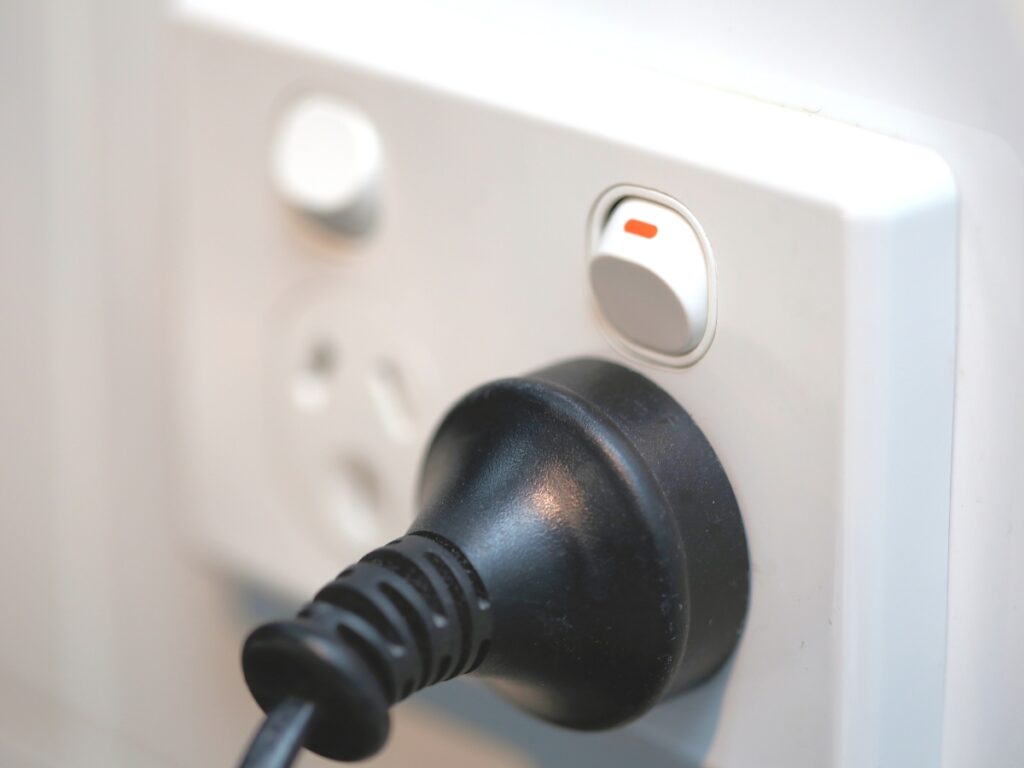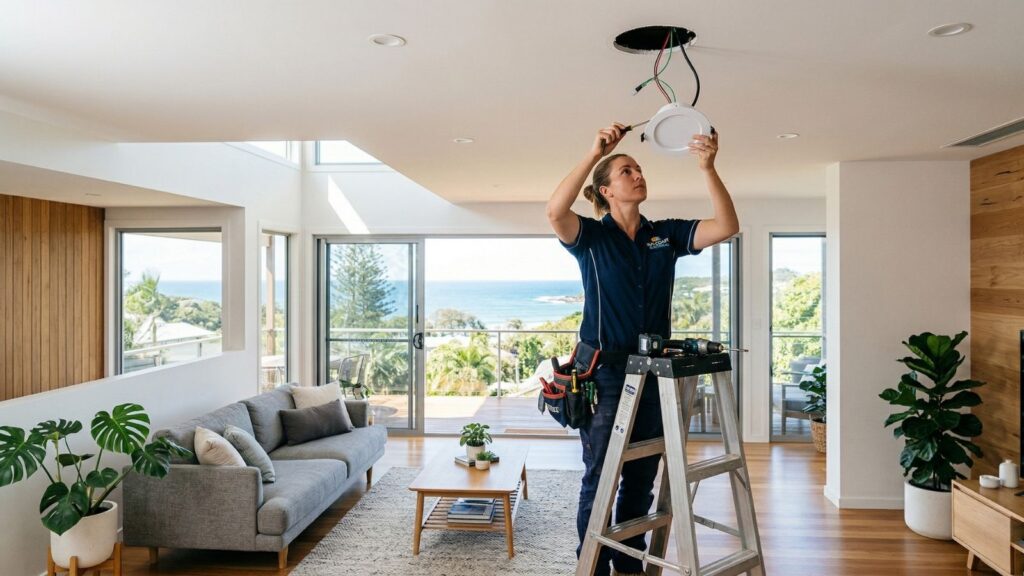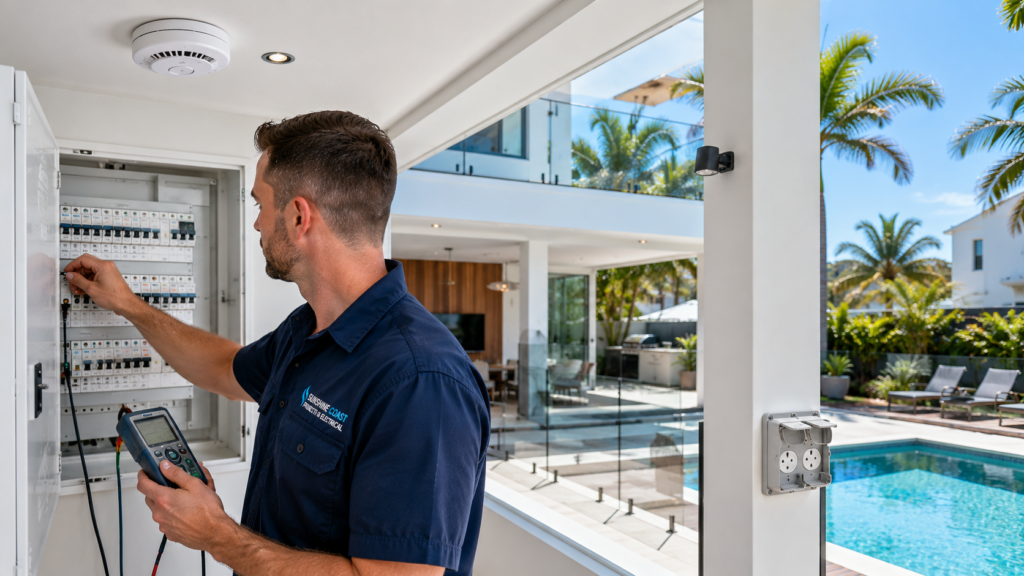
Airbnb & Holiday Rental Electrical Safety is essential for every Queensland host welcoming paying guests into their property. It means providing a safe electrical environment through regular inspections by a licensed electrician, working RCD safety switches, a compliant switchboard, interconnected photoelectric smoke alarms, safe wiring and power outlets, and documented maintenance.
These measures help protect your guests, reduce the risk of electrical fires and shocks, and ensure your Sunshine Coast holiday rental meets current Queensland electrical safety requirements.
Airbnb & Holiday Rental Electrical Safety covers legal duties, risk management and the practical checks Queensland regulators expect. Short-term accommodation on the Sunshine Coast has heavy guest use, older housing stock and coastal weather, so small faults can quickly lead to shocks, fires or insurance headaches. This guide explains what must be in place before you hand over the keys.
You will see how the law applies to short stays, which areas of a property carry the most risk, and what counts as best practice rather than just the bare minimum. You will also see how Sunshine Coast Electrician helps local hosts across the Sunshine Coast and surrounds stay safe, compliant and guest‑ready through professional inspections, repairs and maintenance.
Key Takeaways
Hosts who cannot read the full guide still need a clear picture of Airbnb & Holiday Rental Electrical Safety on the Sunshine Coast. These points give a fast overview of what matters most before you welcome guests.
-
Legal Duties Vs Best Practice For Short-Term Rentals
Queensland law treats most short-term letting as a business, so you carry a higher duty of care than an owner‑occupier. Meeting the minimum rules for safety switches and smoke alarms is only the starting point. A stronger approach includes professional inspections, careful documentation and upgrades where older wiring or fittings fall short. -
Critical Electrical Safety Systems – RCDs, Switchboards And Smoke Alarms
Safety switches, a sound switchboard and compliant smoke alarms work together to protect guests from shock and fire. According to the Electrical Safety Office Queensland, all fixed electrical work must comply with the Wiring Rules and be completed by licensed electricians. Sunshine Coast Electrician focuses on these core systems first, because they provide the biggest safety benefit. -
High-Risk Areas – Kitchens, Wet Areas, Outdoors And Pools
Kitchens, bathrooms, laundries, decks and pools mix power with water and heavy loads. Good outlet placement, the right IP‑rated fittings and full RCD coverage cut the chance of shocks and fires in these zones. Regular inspections help pick up damage from salt air, steam and frequent guest use. -
Inspections, Documentation And Insurance Protection
Treat your property like a small commercial asset, not a casual spare room. Periodic electrical inspections, backed by Electrical Certificates of Compliance and smoke alarm records, show insurers and platforms that you manage risk. This paperwork often makes a real difference if you ever need to lodge a claim. -
How Sunshine Coast Electrician Supports Local Hosts
Sunshine Coast Electrician offers pre‑listing safety checks, smoke alarm compliance work, switchboard upgrades, appliance testing and ongoing electrical maintenance for holiday rentals across the region. With strong local experience and a clear, safety‑first approach, the team helps hosts move from guesswork to practical compliance.
“For short‑term rentals, treating electrical safety as a ‘set and forget’ item is asking for trouble. Plan regular checks, fix faults early and document everything.” – Queensland electrical safety guidance
Legal Duties And Core Electrical Risks For Airbnb & Holiday Rentals
Legal duties and core electrical risks for Airbnb and holiday rentals on the Sunshine Coast flow from Queensland safety laws and your duty of care to paying guests. Short‑term rentals must be treated as business use, which means you need safe installations, regular checks and a plan to deal with faults.
Many local holiday homes combine older wiring, DIY additions and heavy seasonal use. Add coastal storms, salt air and unknown guest behaviour, and electrical risk climbs quickly. Understanding both the rules and the common hazards is the first step in sensible Airbnb & Holiday Rental Electrical Safety.
What Electrical Safety Laws Apply To Sunshine Coast Short-Term Rentals?
Electrical safety laws for Sunshine Coast short‑term rentals sit across several layers, but they point in the same direction. Hosts must keep electrical equipment and installations safe, use licensed electricians and follow modern standards.
Under Queensland’s Electrical Safety Act and Regulation, anyone running a rental as a business is treated as a person conducting a business or undertaking (PCBU). You must keep the premises safe so far as reasonably practicable, including managing electrical risks. The Electrical Safety Office Queensland states that all fixed electrical work must comply with AS/NZS 3000, often called the Wiring Rules.
Those Wiring Rules and the National Construction Code set minimum standards for wiring, switchboards, outlet locations and protection devices. Current Queensland smoke alarm laws also apply to holiday rentals, so you need photoelectric, interconnected alarms in:
-
every bedroom
-
hallways that connect bedrooms
-
each storey of the dwelling
Platforms such as Airbnb expect you to follow these rules and keep obvious hazards under control, or you risk removal of the listing and problems with insurers.
In short:
-
Mandatory: obey Electrical Safety Act/Regulation, use licensed electricians, meet smoke alarm laws, comply with Wiring Rules.
-
Best practice: more frequent inspections, broader RCD coverage, proactive upgrades for ageing systems, documented maintenance.
Common Electrical Hazards In Airbnb And Holiday Rentals
Common electrical hazards in Sunshine Coast holiday rentals usually come from age, DIY work and hard use. Sunshine Coast Electrician often sees the same patterns during pre‑listing inspections around Noosa, Maroochydore, Caloundra and hinterland properties.
Typical risks include:
-
old switchboards with ceramic fuses and little or no RCD protection
-
ageing or home‑made wiring hidden behind fresh paint
-
unprotected outdoor sockets and fittings without proper earthing
-
overloaded power points, daisy‑chained power boards and cheap extension leads near beds or TVs
High guest turnover means frequent plugging and unplugging of chargers, hairdryers and travel appliances, which wears out sockets and cords faster than in a family home. Research on Airbnb amenities: Quantifying their contribution to guest experience confirms that the physical condition of a property’s fittings significantly shapes guest satisfaction and safety perceptions. Coastal conditions cause corrosion inside outdoor outlets, pool equipment and solar isolators, and summer storms can drive water into fittings or create damaging surges (Queensland Fire and Emergency Services). Without regular inspections, these issues often only surface when:
-
a breaker trips repeatedly
-
a guest receives a tingle from a tap or appliance
-
a burning smell or visible fire appears
Safety Switches, Switchboards And Smoke Alarms: Mandatory Vs Best Practice
Safety switches, switchboards and smoke alarms sit at the heart of Airbnb & Holiday Rental Electrical Safety for Sunshine Coast properties. Queensland rental rules set some clear minimums, but short‑term accommodation usually needs a stronger setup to match guest expectations and insurance requirements.
Best practice goes beyond a single RCD and a couple of basic alarms. Modern boards, RCDs on all final subcircuits and interconnected photoelectric smoke alarms provide far better protection and reduce the chance of a serious incident or dispute.
How Should RCDs And Switchboards Be Set Up For Short-Term Accommodation?
RCDs, often called safety switches, monitor current flow and trip quickly if they detect a fault to earth, such as a person touching a live part. That fast trip greatly reduces the chance of fatal electric shock. For any short‑term rental, working safety switches on key circuits are non‑negotiable.
Queensland rental rules require safety switches on certain circuits, especially those supplying power outlets. However, guests often use many outlets at once, including in older parts of the home. For that reason, most electricians now recommend RCD or RCBO protection on all final subcircuits, including:
-
power
-
lighting
-
air conditioning
-
pool and spa equipment
-
EV chargers
-
outdoor outlets and external lighting
According to the Electrical Safety Office Queensland, safety switches should be tested regularly using the test button, with professional testing as part of periodic inspections — a principle also reflected in CHSE Readiness in the New Normal Era research examining how Airbnb hosts manage safety compliance obligations.
A modern switchboard should have:
-
clearly labelled circuits
-
no asbestos backing
-
circuit breakers rather than rewireable fuses
-
surge protection where appropriate
Surge protection at the board helps protect sensitive electronics such as Wi‑Fi routers, smart locks and entertainment gear during Sunshine Coast storm season. Sunshine Coast Electrician regularly upgrades old boards in holiday homes so hosts can meet current standards and plan for EV chargers or extra air conditioning without overloading the system.
“If your board still has ceramic fuses, it’s a strong sign the rest of the installation may need attention as well.” – Licensed electrical inspector, Queensland
What Are The Smoke Alarm Requirements For Holiday Rentals In Queensland?
Smoke alarms for holiday rentals in Queensland must meet the same standard as other rental dwellings, but the duty of care is higher when guests change weekly. Current laws require photoelectric, interconnected smoke alarms in every bedroom, in hallways that connect sleeping areas to the rest of the home, and on each storey (Queensland Government).
These alarms must either be:
-
hard‑wired to mains power with a backup battery, or
-
powered by a sealed 10‑year lithium battery, depending on the arrangement
For most holiday rentals, hard‑wired, interconnected alarms fitted by a licensed electrician offer the highest reliability. Regular testing, cleaning and timely replacement of units and batteries should form part of your property maintenance plan, with records kept for each check.
Electrical faults are a known cause of house fires, so smoke alarm compliance links directly to electrical safety and insurance cover (Queensland Fire and Emergency Services). Insurers may ask for evidence that alarms were installed correctly and tested.
Sunshine Coast Electrician:
-
installs and upgrades smoke alarms to Queensland requirements
-
checks correct placement and interconnection
-
combines smoke alarm work with electrical safety inspections, switchboard checks and RCD testing so hosts get a clear compliance picture in one visit.
High-Risk Areas: Kitchens, Wet Areas, Outdoors And Pools
High‑risk areas in Sunshine Coast holiday rentals are the places where water, outdoor conditions and heavy electrical loads meet. Kitchens, bathrooms, laundries, decks, gardens and pool zones all need extra care to keep guests safe.
By following the Wiring Rules, using the right IP‑rated fittings and keeping RCDs in place and tested, hosts can sharply reduce the chance of shocks and fires. Regular inspections pick up damage from steam, cleaning, salt air and storm events before guests are placed at risk.
How Do You Manage Electrical Safety In Kitchens, Bathrooms And Laundries?
Managing electrical safety in kitchens starts with outlet placement and protection. Power points near sinks, dishwashers and benchtops need:
-
correct clearances from water
-
RCD protection
-
suitable IP ratings where splash zones exist
Fixed appliances such as ovens, cooktops, rangehoods and dishwashers should sit on dedicated circuits installed by a licensed electrician, with isolation switches where required.
In laundries, washing machines and dryers place heavy loads on circuits and create heat and moisture. Safer practice includes:
-
outlets clear of possible leaks or splashes
-
dryers with good ventilation and frequent lint cleaning
-
no reliance on long, permanent extension leads
According to Standards Australia, wet areas require special attention to equipment selection and location, particularly near baths and showers.
Bathroom safety focuses on keeping outlets outside prohibited zones and using suitable IP‑rated lighting in areas exposed to water. Portable heaters, hairdryers and styling tools should have enough bench space away from basins and baths, and house rules can politely ask guests not to use them near water.
Sunshine Coast Electrician often recommends:
-
small layout changes and extra outlets to remove “double adaptor jungles”
-
replacing ageing heat‑lamp units with safer modern fittings
-
reviewing exhaust fan performance to reduce moisture build‑up around electrical gear.
Outdoor, Pool And Spa Electrical Safety On The Sunshine Coast
Outdoor and pool areas give Sunshine Coast properties strong guest appeal, but they also raise electrical risk. Pool pumps, chlorinators and underwater lights must be installed on RCD‑protected circuits, with correct bonding and earthing to meet pool area standards. Regular visual checks for cracked fittings, missing covers or corrosion help catch problems between professional inspections.
Outdoor power points and lighting sit in harsh conditions, with salt air, UV and rain all working against them. Fittings should be:
-
weatherproof and correctly IP‑rated
-
fitted with lids that close properly when a plug is in place
-
protected from garden tools, furniture and salt spray
Low‑voltage garden lighting is often safer for paths and landscaping, especially where children play.
BBQ and outdoor kitchen areas should have dedicated weatherproof outlets located away from:
-
hot plates and BBQ lids
-
grease and fat splatter
-
hose spray and pool splash zones
Storm season on the Sunshine Coast can add water ingress and surge damage, so many hosts book post‑storm checks if breakers trip or lights flicker. Sunshine Coast Electrician designs and maintains outdoor and pool electrical systems suited to local conditions, using materials and installation methods that cope better with coastal air.
Appliances, Extension Leads And Everyday Guest Use
Appliances, extension leads and everyday guest behaviour create many of the real‑world electrical risks in short‑term rentals. Guests interact with sockets, cords and portable equipment far more than they touch the fixed wiring behind the walls.
Good Airbnb & Holiday Rental Electrical Safety means buying sound appliances, placing them wisely and removing unsafe leads and adaptors from the property. Clear information in your house manual can guide guests towards safe use without making the stay feel restricted.
What Are Best Practices For Appliance And Power Board Safety In Holiday Rentals?
Best practice for appliance safety in holiday rentals starts with buying from reputable brands that carry Australian approvals. Avoid very old, second‑hand or overseas‑spec appliances in guest spaces, because they may not meet local standards. The Australian Competition and Consumer Commission notes that electrical appliances and power boards feature regularly in product recalls, so quality matters.
Between guest stays, cleaners or managers can visually check kettles, toasters, coffee machines and other portable items. Look for:
-
frayed or crushed cords
-
loose or damaged plugs
-
burn marks on plastic
-
appliances that sit on unstable or heat‑sensitive surfaces
Heaters should sit clear of bedding and curtains, and TVs and AV gear should use fixed outlets rather than tangled extension leads behind cabinets.
Treating your short‑term rental a bit like a workplace by arranging periodic test and tag on high‑use portable appliances adds another safety layer. This process checks insulation resistance and earth continuity and labels the item with a test date.
Sunshine Coast Electrician can:
-
advise which appliances warrant regular testing
-
carry out appliance testing during scheduled electrical safety inspections
-
recommend replacement where an ageing item is no longer worth keeping in service.
Why Are Extension Leads And Cheap Adaptors So Risky For Guests?
Extension leads and cheap adaptors are risky in holiday rentals because they are easy to misuse and hard to supervise. Guests often:
-
daisy‑chain multiple leads
-
run them under rugs or doorways
-
use them for heaters and cooking appliances that draw high current
-
plug in multi‑country adaptors of unknown quality
In some cases they may even try to charge an electric vehicle from a standard outlet using travel leads, which can severely stress older circuits.
These habits increase fire risk through overheating, damaged insulation and loose connections. According to the Australian Competition and Consumer Commission, poor‑quality leads and adaptors are common in electrical product safety alerts. In shared or compact spaces, trailing cords also create trip hazards, especially at night.
Safer practice is to:
-
provide enough permanent outlets in sensible locations (bedsides, desks, TV units)
-
use quality power boards with overload protection where needed
-
install USB‑integrated sockets in key spots for device charging
-
remove unsafe leads, double adaptors and random chargers from the property
Removing these items is one of the simplest steps you can take for Airbnb & Holiday Rental Electrical Safety.
Inspections, Maintenance, Documentation And Working With A Local Electrician
Inspections, maintenance and documentation turn electrical safety from a one‑off tidy‑up into an ongoing system. For Sunshine Coast hosts, that system works best when a local electrician knows the property and can respond quickly as issues arise.
By setting inspection intervals, keeping clear records and planning upgrades during quiet periods, you protect guests, income and insurance cover. Sunshine Coast Electrician provides that long‑term support for many Airbnb and holiday rental owners across the region.
How Often Should You Arrange An Electrical Safety Inspection?
The right inspection frequency depends on property age, booking levels and the presence of higher‑risk features such as pools, spas and EV chargers. As a general guide, heavily booked Sunshine Coast Airbnbs and holiday homes often benefit from a full electrical inspection every two to three years. Older properties or those with known issues may need checks more often.
Extra inspections make sense after:
-
major storms, flooding or lightning strikes
-
renovations or extensions
-
adding large loads such as spas, ducted air or EV chargers
A professional inspection by Sunshine Coast Electrician normally covers:
-
the switchboard and main earthing system
-
RCD operation and circuit protection
-
visible wiring condition
-
outlets, switches and lighting
-
smoke alarm compliance
-
outdoor circuits, pool and spa equipment
-
a sample of appliances and power boards
The team can also review solar, battery and EV charging setups where installed.
Following each significant job, you can receive an Electrical Certificate of Compliance along with a written report outlining findings and recommended actions. According to Safe Work Australia, documented risk management steps are a key part of meeting safety duties. For hosts, that same documentation supports insurance claims and platform queries.
Record-Keeping, Risk Management And Partnering With Sunshine Coast Electrician
Record keeping for Airbnb & Holiday Rental Electrical Safety does not need to be complex. A simple folder, digital or physical, that stores:
-
inspection dates and reports
-
smoke alarm test logs
-
RCD test dates
-
appliance test and tag reports
-
records of guest‑reported issues and repairs
already places you ahead of many hosts. Linking photos of defects and repairs to each entry makes the picture even clearer.
Cleaners and property managers can use a short checklist to flag:
-
loose or damaged outlets and switches
-
flickering lights or buzzing fittings
-
warm switch plates
-
damaged cords or beeping smoke alarms
When they spot a problem, they alert your electrician and, if needed, isolate the circuit or appliance until it is fixed. Planning larger upgrade work for off‑season periods helps avoid cancelled bookings and rushed jobs.
Partnering with Sunshine Coast Electrician gives hosts a single point of contact for:
-
electrical safety inspections
-
smoke alarm compliance upgrades
-
switchboard upgrades and RCD installations
-
appliance testing and general electrical maintenance
-
emergency call‑outs for urgent faults
With strong Sunshine Coast experience, the team understands local conditions, council requirements and the expectations of modern guests.
Holiday Rental Electrical Safety Checklist And Myth Vs Fact
A practical checklist and a few myth busters help Sunshine Coast hosts turn Airbnb & Holiday Rental Electrical Safety into concrete actions. You can walk through your property with this list, note obvious gaps, then brief your electrician on what needs attention.
The myth versus fact section clears up common misunderstandings that often leave properties half‑compliant and still exposed. Treat your holiday rental like small commercial accommodation, not just a spare beach house used by friends.
Practical Electrical Safety Checklist For Sunshine Coast Holiday Rentals
Use this checklist as a starting point before you book a professional inspection. It does not replace a formal electrical report, but it highlights issues worth raising with Sunshine Coast Electrician.
-
Switchboard And RCDs
-
Do you have a modern switchboard with circuit breakers rather than rewireable fuses, and safety switches on all or most circuits?
-
Are all circuits clearly labelled so guests and cleaners know which breaker controls each area?
-
Have you tested the RCD buttons in the last three months and booked professional testing within the past few years?
-
-
Smoke Alarms
-
Are your alarms photoelectric, interconnected and installed in every bedroom, connecting hallway and on each storey, as current Queensland rules require?
-
Do you test them regularly, clean them and replace units within their stated life?
-
Do you keep a simple log of each test in case a fire or insurance query arises?
-
-
Outlets And Switches
-
Are power points and switches free from cracks, heat discolouration, movement and buzzing sounds?
-
Do any outlets feel warm after use, which can signal a poor connection?
-
In family‑friendly properties, have you considered child‑resistant outlets or safety plugs in low‑level sockets?
-
-
Kitchens And Wet Areas
-
Are outlets near sinks, dishwashers, washing machines and basins placed well clear of splashes and fitted with RCD protection?
-
Do fixed appliances such as ovens, cooktops and dryers sit on dedicated circuits with proper isolation?
-
Are bathroom lights and heaters suitable for their zones, with no DIY fittings near showers or baths?
-
-
Appliances And Leads
-
Do you regularly check guest‑facing appliances for damaged cords, loose plugs, scorch marks or odd smells during operation?
-
Are power boards in good condition, with overload protection and no daisy‑chained setups?
-
Have you removed old double adaptors, cheap chargers and random extension leads from drawers and cupboards?
-
-
Outdoors And Pools
-
Are outdoor GPOs and switches weatherproof, with intact covers and no signs of corrosion or cracking?
-
Is pool and spa equipment on RCD‑protected circuits, with lights and metal parts bonded and earthed as required?
-
Are garden and deck lights securely fixed, with buried or shielded cables that guests cannot trip over?
-
-
Documentation And Contacts
-
Do you have recent inspection reports, Electrical Certificates of Compliance and smoke alarm records stored in an easy‑to‑find place?
-
Is there a clear house manual for guests with simple electrical safety tips and emergency numbers?
-
Do you have Sunshine Coast Electrician saved as your go‑to contact for faults and upgrades?
-
Myth Vs Fact: Short-Term Rental Electrical Safety
Use this myth versus fact guide to check your assumptions against how Queensland treats short‑term accommodation.
| Myth | Fact |
|---|---|
| It is just a spare room in my home, so normal owner rules apply. | Once guests pay to stay, the law usually treats the property as a business use, which brings a higher duty of care and stronger expectations around electrical safety. |
| If everything still works, the electrical system must be safe. | Many serious faults, including poor earthing and deteriorated insulation, show no obvious signs until a shock or fire occurs, so periodic inspections are important. |
| Portable power boards everywhere are fine for guests. | Heavy use, daisy‑chaining and placement under furniture make power boards a common source of overheating and fire, especially when guests plug in high‑load devices. |
| Having smoke alarms means I am covered for fire risk. | Working smoke alarms are only one layer of protection; you also need safe wiring, RCDs, suitable appliances and sound housekeeping around heaters and dryers. |
| I only need an electrician after something goes wrong. | Planned inspections and upgrades cost far less than emergency repairs, and they greatly reduce the chance of injuries, bad reviews and insurance disputes later. |
In Summary
Airbnb & Holiday Rental Electrical Safety on the Sunshine Coast rests on a simple idea: if you invite paying guests into your property, you must provide a safe electrical environment backed by current Queensland standards and clear records.
That means more than a quick visual tidy‑up. You need working safety switches, a sound switchboard, compliant smoke alarms, safe wiring and outlets in wet and outdoor areas, and appliances and leads that cope with constant guest use. Regular inspections and documentation show insurers, platforms and regulators that you take these duties seriously and actively manage risk.
Sunshine Coast Electrician offers practical help at every stage, from electrical safety inspections and smoke alarm compliance through to switchboard upgrades, appliance testing and general electrical maintenance. Before your next booking, organise a professional electrical safety inspection so you can welcome guests with confidence, protect your reputation and reduce the chance of costly incidents.
Frequently Asked Questions
How often should I arrange an electrical safety inspection for my Airbnb or holiday rental?
The ideal inspection frequency depends on the property's age, booking frequency and electrical features such as pools, spas or EV chargers. Holiday rentals with frequent guest turnover generally benefit from regular electrical inspections to identify wear before it becomes a safety issue.
A licensed electrician can recommend an inspection schedule suited to your property's condition and level of use.
Are safety switches mandatory in Queensland holiday rentals?
Queensland electrical legislation requires safety switches (RCDs) on certain circuits, particularly power outlet circuits. Many electricians also recommend broader RCD protection throughout the property as a practical way to improve guest safety.
A switchboard assessment can determine whether additional protection would be beneficial for your holiday rental.
Can I perform electrical work on my Airbnb property myself?
No. Fixed electrical work, including wiring, switchboard upgrades, power points and lighting installations, must be completed by a licensed electrician in Queensland.
Property owners can perform simple visual checks and test safety switches using the test button, but electrical repairs and installations must be left to qualified professionals.
What electrical items should I check between guest bookings?
Between bookings, it is good practice to visually inspect power points, switches, smoke alarms, extension leads and appliances for signs of damage, overheating or wear. Also check that outdoor electrical fittings remain intact after storms or severe weather.
Any suspected faults should be inspected by a licensed electrician before the property is occupied again.
Do smoke alarms need to meet specific Queensland requirements?
Yes. Queensland has specific smoke alarm requirements for residential properties, including many holiday rentals. The required type, location and interconnection of smoke alarms depend on the applicable legislation.
A licensed electrician can confirm whether your existing smoke alarm system complies with current Queensland requirements.
Can an older holiday home safely support an EV charger?
Possibly, but it depends on the property's existing electrical capacity and switchboard. Some homes require switchboard upgrades, dedicated circuits or load management before an EV charger can be installed safely.
An electrical assessment should always be completed before adding EV charging facilities to a holiday rental.
Why should I keep records of electrical inspections and maintenance?
Keeping inspection reports, certificates and maintenance records demonstrates that electrical safety is being actively managed. These documents can assist with future maintenance planning and may also be useful for insurance enquiries or property management records.
Maintaining clear records is an important part of responsible holiday rental management.