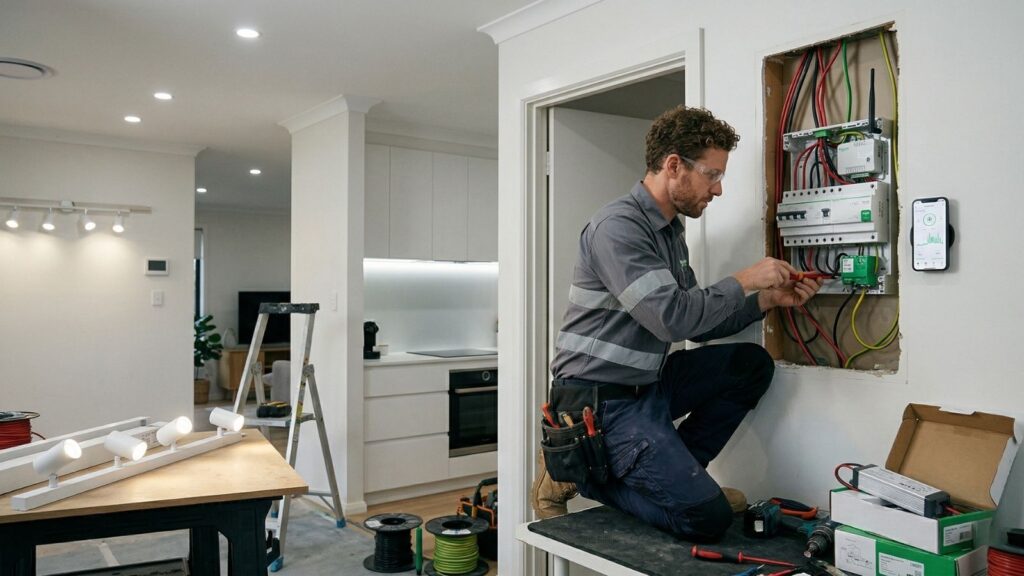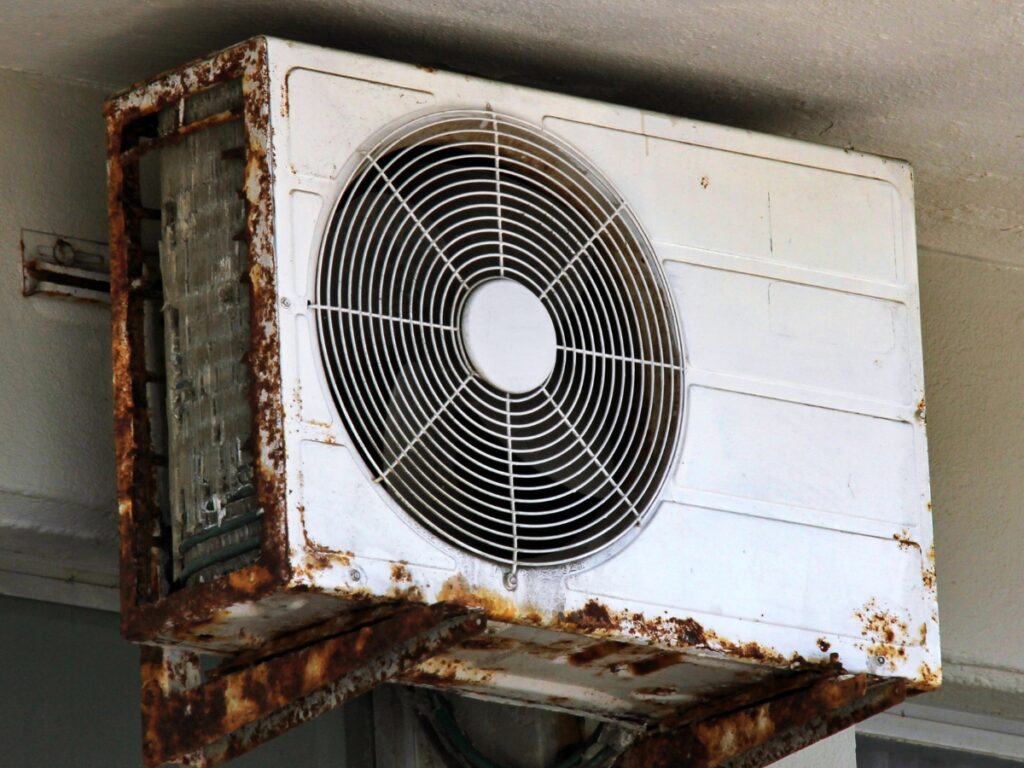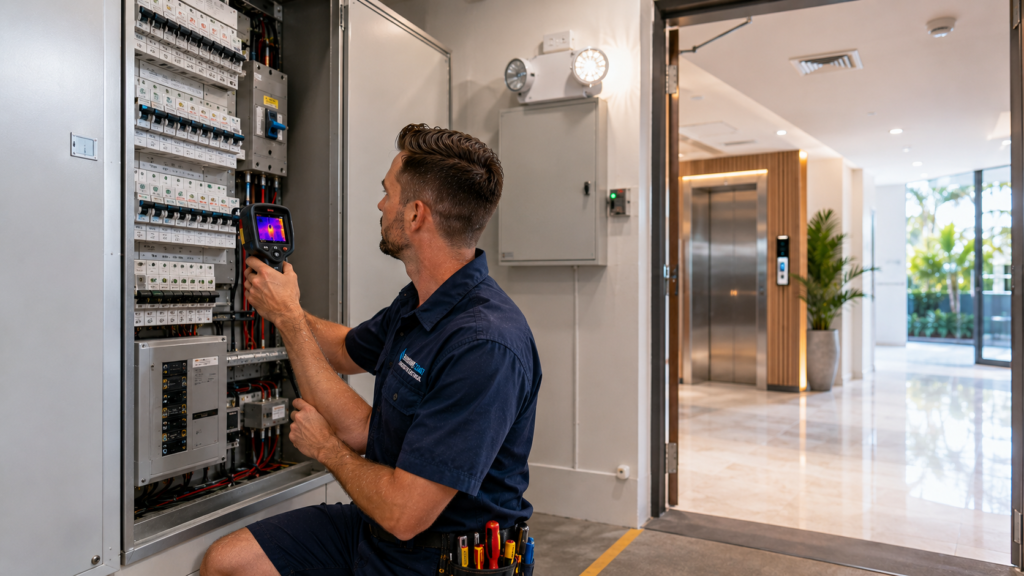
In Queensland strata buildings, strata electrical maintenance is shared between the body corporate and individual lot owners. The body corporate looks after common property systems such as main switchboards, hallway and car park lighting, lifts and shared pumps. Lot owners are responsible for wiring, power points, lights and appliances inside their own units, within current legislation and by‑laws.
Clear boundaries still confuse many Sunshine Coast apartment owners, committees and tenants. When faults appear, disagreement over who pays can delay repairs and strain relationships. Getting responsibilities right also protects residents from shock and fire risks and keeps the building compliant with Queensland requirements.
This guide explains how strata electrical maintenance works in Queensland, what sits with the body corporate and what usually falls to individual owners. It outlines common items such as lighting, switchboards, smoke alarms, EV chargers and inspections, with practical examples from Sunshine Coast Electrician, a local Sunshine Coast electrician providing strata electrical maintenance, safety inspections, switchboard upgrades, lighting maintenance and emergency electrical repairs.
Key Takeaways
Understanding these points helps strata communities avoid disputes and keep Sunshine Coast buildings safe and compliant.
-
Shared Responsibilities, Clear Boundaries
Electrical duties are usually shared between the body corporate and individual owners. The split depends on where the equipment is and what the Community Management Statement (CMS) and by‑laws say. Clear records, diagrams and guidance from a licensed electrician reduce confusion. -
Common Property Vs Lot Owner Electrical Duties
Main switchboards, car park and hallway lighting, lifts, pumps and shared EV chargers usually sit with the body corporate. Inside each unit, owners generally handle lights, power points, appliances and lot‑connected EV chargers. Checking plans and the CMS confirms the exact line. -
Compliance, Safety And Insurance Risk
Queensland law expects bodies corporate to keep common electrical areas safe and working. Poor maintenance can lead to electric shock, fires, enforcement notices and insurance issues. Insurers increasingly ask for evidence of regular inspections and defect repairs, especially in older buildings. -
Why Proactive Maintenance Beats Emergencies
Planned inspections, thermographic scans and lighting checks are usually cheaper and safer than repeated call‑outs. Early repairs reduce outages, protect assets and support more stable body corporate levies over time. Sunshine Coast Electrician helps committees move from reactive fixes to planned programs. -
When To Call A Licensed Sunshine Coast Strata Electrician
Any work on fixed wiring, switchboards, safety switches, smoke alarms or EV chargers needs a licensed electrician. Strata managers and committees across the Sunshine Coast often rely on Sunshine Coast Electrician for routine maintenance, emergency electrical repairs and upgrade advice across multiple buildings.
What Is Strata Electrical Maintenance And Who Is Responsible In Queensland?
Strata electrical maintenance in Queensland covers inspection, repair and upgrading of electrical systems that serve units and shared areas in a scheme. Responsibility is shared, with the body corporate handling common property and owners looking after electrical items inside their lots, guided by Queensland legislation, the CMS and body corporate by‑laws.
In practice, strata electrical maintenance usually includes:
-
main switchboards and sub‑boards
-
common area lighting
-
power to lifts and pumps
-
intercoms and entry systems
-
shared EV chargers
-
solar or battery systems serving common loads.
Inside each lot, owners usually control general power, internal lighting, appliances and private air conditioning. The Electrical Safety Act and Wiring Rules, supported by the Electrical Safety Office Queensland, set the safety framework that applies to both parties.
Because different buildings are set up in different ways, the exact split of responsibilities can change. Plans, CMS documents and by‑laws decide whether certain items, such as balcony lights or meter room equipment, are common property or part of a lot. Sunshine Coast Electrician regularly helps bodies corporate and owners interpret these documents and match them with real‑world equipment on site.
“Always read the CMS and by‑laws before approving or starting any electrical work in a strata scheme. They are the rulebook for who does what.”
— Strata law guidance, Queensland Government
Understanding Common Property Vs Lot Property
Common property in a Queensland strata scheme usually means areas and services shared by more than one lot. In electrical terms, this often covers:
-
main switchboards and rising mains
-
corridor and stairwell lighting
-
basement and outdoor lighting
-
lifts and shared pumps
-
automatic gates and security lighting
-
intercoms and access control
-
common EV chargers or solar systems.
These items usually sit with the body corporate to maintain and repair as part of its strata electrical maintenance duties.
Lot property is the space and fixtures that belong to a particular owner under the plan of subdivision. That normally includes:
-
internal wiring and circuits
-
power points and internal light fittings
-
ceiling fans and kitchen appliances
-
internal air conditioning units
-
private EV chargers wired to that lot’s meter.
Owners are expected to keep this wiring safe and use licensed electricians for any changes.
The CMS, by‑laws and building survey plans can adjust these general rules. For example, balcony lights, courtyard power points or garage outlets may be classed as common property in one building and lot property in another. When in doubt, owners should seek written confirmation from the strata manager or body corporate, backed by advice from a licensed strata electrician.
Roles Of The Body Corporate, Strata Manager And Individual Owners
Each party in a strata scheme plays a different role in electrical maintenance:
-
Body Corporate
-
Holds overall responsibility for keeping common property electrical systems in good, safe condition.
-
Approves budgets, decides on upgrades and authorises works such as switchboard upgrades, lighting upgrades and common property EV charging projects.
-
Carries the main legal duty for common area safety and compliance under Queensland legislation.
-
-
Strata Manager
-
Provides administrative support rather than technical control.
-
Obtains quotes, raises work orders, coordinates access and keeps records of inspections, test sheets and invoices.
-
Often maintains ongoing relationships with Sunshine Coast Electrician so they can get quick advice and consistent reporting across several buildings.
-
-
Individual Owners
-
Must keep electrical installations inside their lots safe and compliant.
-
Use licensed electricians for renovations, extra power points, air conditioning and EV chargers that affect lot wiring or connect into common meter rooms.
-
Follow by‑laws when works touch common property, for example when cabling passes through shared walls or ceilings.
-
What Are The Key Electrical Maintenance Responsibilities In Strata Buildings?
Key electrical maintenance responsibilities in strata buildings cover both routine upkeep and urgent repairs for shared and lot‑level systems. Typically:
-
the body corporate manages common property items such as main switchboards, stairwell and car park lighting, emergency and exit lights, pumps, lifts and shared EV or solar equipment
-
lot owners handle electrical safety inside their units, including smoke alarms, internal wiring and appliances.
These responsibilities matter for more than convenience. Research from Fire and Rescue NSW indicates that a large proportion of house fires come from electrical causes, which shows how poor maintenance can quickly become a safety issue. In a strata complex, one fault in a main board or riser can impact dozens of homes and car spaces.
Typical routine maintenance tasks include:
-
lamp replacement and lighting maintenance
-
RCD testing and tagging where needed
-
switchboard inspections and tightening of connections
-
thermographic scanning of main boards
-
smoke alarm checks in common areas
-
periodic review of electrical capacity and load.
Emergency work covers power outages, sparking fittings, storm damage, tripping safety switches and urgent pump or gate failures. Sunshine Coast Electrician helps bodies corporate put these tasks into planned maintenance lists so emergency call‑outs become the exception rather than the standard.
Responsibility Matrix: Who Looks After What?
Responsibility for specific items can vary between schemes, but some patterns are common. The table below is a general guide only, so committees and owners should still check their CMS, survey plan and by‑laws and seek professional advice where required.
| Electrical Item Or System | Typical Location | Usually Body Corporate | Usually Lot Owner | Notes |
|---|---|---|---|---|
| Common area lighting | Corridors, stairs, entries | Yes | No | Shared fittings and circuits |
| Emergency and exit lighting | Evacuation paths, car parks | Yes | No | Testing intervals set by fire standards |
| Unit lighting and power | Inside apartments | No | Yes | Owners maintain and upgrade |
| Main switchboard and risers | Main electrical room | Yes | No | Serves multiple lots and common areas |
| Common sub‑boards | Plant rooms, basements | Yes | No | Often supply lifts and pumps |
| Smoke alarms in common spaces | Foyers, corridors, basements | Yes | No | Body corporate maintains testing program |
| Smoke alarms inside lots | Bedrooms, hallways in units | No | Yes | Owners follow Queensland smoke alarm laws |
| Car park and driveway lighting | Basements, open car parks | Yes | No | Important for safety and security |
| Pool and pump equipment | Plant rooms, pool areas | Yes | No | Often linked with filtration and heating |
| Shared EV chargers | Visitor or shared bays | Yes | Sometimes | Cost sharing decided by CMS and by‑laws |
| Individual EV chargers | Deeded or exclusive use bays | Sometimes | Yes | Subject to approval and capacity checks |
| Solar and batteries | Roofs, plant rooms | Yes | Sometimes | Ownership model varies by project |
| Security, intercoms, auto gates | Entries, lobbies, car park | Yes | No | Part of access control system |
Routine Maintenance Vs Emergency Repairs
Routine strata electrical maintenance is planned work carried out at agreed intervals, for example:
-
six‑monthly emergency lighting tests
-
annual switchboard inspections
-
scheduled thermographic scans
-
regular checks of car park and stairwell lighting
-
periodic RCD testing and tagging where applicable.
These visits allow electricians to fix minor faults before they affect residents or turn into safety incidents.
Emergency repairs handle sudden failures or hazards that cannot safely wait. Common examples are:
-
full building or half‑building blackouts
-
constantly tripping breakers or RCDs
-
water‑damaged switchboards after storms
-
sparking fittings or burning smells
-
failed pumps flooding basements
-
lifts stuck due to power issues.
In these cases, the body corporate usually authorises immediate attendance based on a pre‑agreed call‑out process.
Many Sunshine Coast bodies corporate appoint Sunshine Coast Electrician for both scheduled maintenance and 24/7 emergency electrical repairs, with clear instructions on who can approve works. Simple processes and up‑to‑date contact details reduce downtime and help residents know who to call when something goes wrong.
How Do Lighting, Switchboards And Smoke Alarms Get Maintained In Strata Complexes?
Lighting, switchboards and smoke alarms in strata complexes are maintained through a structured mix of inspection, testing, repair and gradual upgrading. These systems sit at the heart of building safety because they affect how residents move, how power flows and how quickly fires are detected in an emergency.
-
Common area lighting must give safe, even light in corridors, stairs, car parks and outdoor paths.
-
Emergency and exit lighting must turn on when normal power fails and stay on for a set period so people can leave safely. According to Queensland Fire and Emergency Services, emergency and exit lights generally require testing every six months, including a 90‑minute discharge test.
-
Main and distribution switchboards control power for both lots and common areas, and their condition often reflects the overall health of the building’s electrical system.
-
Smoke alarms in common spaces and, where installed, in interconnected building‑wide systems must be tested, cleaned and replaced at intervals required by Queensland law and relevant Australian Standards.
Sunshine Coast Electrician provides combined lighting maintenance, switchboard checks and safety inspections so bodies corporate receive one clear report rather than scattered notes.
Common Area Lighting, Emergency Lighting And Exit Signs
Common area lighting covers everyday fittings in corridors, stairwells, lift lobbies, foyers, car parks, gardens and driveways. These lights help prevent trips, falls and security incidents after dark, especially in basements and external walkways. Poor lighting levels or failed fittings can also increase public liability risk for the body corporate.
Emergency and exit lighting serve a different purpose. These fittings come on when normal power fails and guide people along evacuation paths using illuminated symbols and arrows. As Queensland Fire and Emergency Services explains, these systems must be tested at regular intervals, usually every six months, with failures logged and repaired without delay to meet fire safety rules.
Sunshine Coast Electrician provides routine lighting maintenance, emergency lighting testing and LED upgrade advice for Sunshine Coast strata properties. Typical services include:
-
scheduled lamp and fitting replacement
-
photometric checks to confirm lighting levels
-
emergency light duration testing and logbooks
-
LED conversions and smart control upgrades.
LED conversions and smart controls can cut common power use for lighting and reduce the frequency of lamp changes, which often flows through to lower body corporate levies over time. Detailed test sheets and photos support audits, insurance renewals and body corporate records.
Switchboards, RCDs And Capacity In Multi‑Unit Buildings
Main switchboards and sub‑boards route electricity from the supply authority into common circuits and individual meters. In older Sunshine Coast buildings these boards may still use outdated fuses, have limited spare capacity or lack modern RCD protection. The Electrical Safety Office Queensland and AS/NZS 3000 Wiring Rules require safety switches on many final subcircuits to reduce electric shock risk.
Common issues in ageing switchboards include:
-
heat damage or discolouration
-
loose or overloaded connections
-
lack of clear labelling
-
no RCD protection on power or lighting circuits
-
limited capacity for new loads such as EV chargers.
Thermographic scanning can detect hot spots well before a failure occurs, and a Review of Operating Conditions, diagnostic methods and technical condition assessments confirms that regular scanning and timely repairs significantly improve electrical reliability in multi-unit buildings. This is especially relevant when modern loads such as EV chargers and large air conditioners are added to systems designed decades earlier.
Sunshine Coast Electrician carries out:
-
switchboard inspections
-
RCD testing
-
thermographic scans
-
three‑phase capacity checks
-
full switchboard upgrades for strata schemes across the region.
These works help buildings meet current standards, support new loads and reduce the chance of electrical fires, which Fire and Rescue NSW notes remain a major cause of residential fire incidents nationally.
Electrical Safety, Inspections And Compliance: What Do Strata Must Do In Queensland?
Electrical safety, inspections and compliance in Queensland strata schemes are legal obligations rather than optional extras. Bodies corporate must keep common property, including electrical installations, in good condition so that residents, visitors and contractors are not exposed to avoidable risk, as required under electrical safety and body corporate legislation.
This obligation covers:
-
safe access to switchrooms and meter rooms
-
functioning emergency and exit lighting
-
RCD protection on required circuits
-
compliant smoke alarms in common areas
-
appropriate strata electrical maintenance records.
The Electrical Safety Office Queensland provides guidance on the duty of persons in control of a business or undertaking, which in practice often includes the body corporate and the strata manager. Strata committees that ignore defect reports or skip testing may face enforcement action or greater liability if an incident occurs.
Regular inspections by a licensed electrician with strata experience are a straightforward way to manage this duty, and Maintenance Good Practices for nuclear power plant electrical equipment underscores how documented inspection protocols are essential to maintaining safe and compliant electrical installations across complex multi-circuit environments. Sunshine Coast Electrician helps schemes on the Sunshine Coast build safety inspection and testing programs that align with legal requirements, building use and insurer expectations, while also feeding into sinking fund planning.
Safety Inspections, Testing And Documentation
A sound inspection and testing regime for strata electrical maintenance usually covers several main elements:
-
functional and discharge tests of emergency and exit lights
-
checks of common area lighting and power circuits
-
visual and mechanical inspections of main and distribution switchboards
-
trip‑time testing of RCDs where required
-
inspection of plant rooms, pool equipment and pumps
-
review of surge protection and earthing.
Thermographic scanning is an important tool for medium and large complexes, especially those with older switchboards or heavy loads, and An Integrated Industrial Engineering optimization framework for substation maintenance scheduling demonstrates how systematic inspection planning reduces both risk and long-term maintenance costs. Infrared images show abnormally hot connections and components that may fail if left unaddressed. Many insurers, as noted by the Insurance Council of Australia, encourage this type of preventative work for higher risk buildings.
Good documentation is just as important as the tests themselves. Strata managers should expect clear written reports, including:
-
photos and diagrams
-
defect lists and risk ratings
-
suggested timeframes for repairs
-
recommendations for staged switchboard upgrades or lighting improvements.
Sunshine Coast Electrician structures reports so committees can see at a glance what is urgent, what can wait and what should feed into longer term capital works plans.
Strata Compliance Requirements, Insurance And Risk Management
Strata compliance requirements sit within broader risk management and insurance outcomes. When a body corporate can show regular inspections, testing and prompt rectification of defects, it is easier to demonstrate that reasonable care has been taken to manage electrical risks. This can be important if a fire, shock or injury leads to a claim or regulator inquiry.
Poor or patchy maintenance brings several problems:
-
gaps in emergency lighting records
-
old switchboards with no RCDs
-
repeated unresolved defect notes
-
absence of recent thermographic scans or formal reports.
Guidance from Queensland Fire and Emergency Services stresses the need for working emergency systems during evacuations, while the Electrical Safety Office Queensland highlights safe electrical installations as a basic duty.
Working with a reliable local contractor such as Sunshine Coast Electrician helps bodies corporate align strata electrical maintenance, compliance and insurance expectations. Regular reports, clear scopes and transparent pricing support smoother insurance renewals, better claim defensibility and more predictable spending on electrical upgrades over time.
EV Chargers, Solar And Modern Upgrades: How Do They Affect Strata Maintenance?
EV chargers, solar panels and battery storage are reshaping how strata electrical maintenance works on the Sunshine Coast and nearby regions. These technologies place new demands on switchboards and wiring while also giving buildings new ways to manage common power costs and meet resident expectations.
The Australian Government’s National Electric Vehicle Strategy, published by the Department of Climate Change, Energy, the Environment and Water, notes rapid growth in EV sales across Australia. In strata buildings, that trend appears in increasing requests from owners for at‑home charging. Solar PV and batteries are also more common, with many bodies corporate using them to offset lift, lighting and pump loads.
These upgrades increase the need for:
-
careful load assessment and capacity checks
-
clear by‑laws and CMS rules
-
ongoing strata electrical maintenance for new equipment.
Sunshine Coast Electrician assists bodies corporate, owners and strata managers to plan EV, solar and battery projects that work with existing infrastructure instead of overloading it, while keeping records that support compliance and insurer confidence.
EV Charger And Solar Battery Installations In Strata Buildings
EV charger installations in strata complexes usually fall into two broad models:
-
Individual chargers
-
Owners install chargers in their own car spaces, often wired back to their lot meter.
-
The owner generally funds installation, subject to body corporate approval and by‑laws.
-
-
Shared chargers
-
The body corporate provides shared chargers in visitor or common bays.
-
Energy use is billed through an agreed system or included in levies.
-
Before any work starts, a licensed electrician should:
-
complete a load assessment and check switchboard capacity
-
confirm cable routes, metering and required protection
-
consider fire safety, ventilation and signage in car parks
-
provide design drawings and specifications for committee review.
Billing options, metering arrangements, access rules and any limits on charging times also need agreement. These points are often written into by‑laws or special resolutions so future owners know the rules.
Solar and battery systems for common property can cut shared power costs but introduce extra equipment that needs periodic maintenance. Sunshine Coast Electrician designs and installs EV chargers and solar battery systems for Sunshine Coast strata buildings, then folds them into regular safety inspections so chargers, inverters and isolators stay safe and compliant.
Energy Efficiency, Levies And Long‑Term Savings
Energy efficiency upgrades are one of the most straightforward ways for strata schemes to reduce running costs without cutting service levels. Common steps include:
-
converting fluorescent or halogen lighting to LED
-
adding motion sensors or time controls in low‑use areas
-
installing solar panels for common loads
-
using batteries to shift energy use to cheaper times
-
integrating smart controls for ventilation and car park exhaust fans.
Lower common power use can flow through to reduced body corporate levies, because fewer funds are needed for electricity bills. Electrical condition reports and energy audits help committees decide which upgrades offer the best return over the life of the building. Data from the Australian Building Codes Board shows growing emphasis on energy performance in building standards, which supports these types of projects.
With extensive local experience in commercial electrical services, Sunshine Coast Electrician provides practical advice on energy saving options that suit each building’s size, age and budget. This helps committees invest in staged upgrades rather than scattered one‑off works that are harder to manage and justify.
Myth Vs Fact: Common Misunderstandings About Strata Electrical Maintenance
Strata electrical maintenance often attracts myths that cause disputes or delay important work. Misunderstandings about who pays, what must be tested and whether older buildings can support modern technology can lead to unsafe shortcuts or unfair expectations on owners or the body corporate.
Clearing up these points helps committees make fair decisions and communicate clearly with residents. The table below addresses frequent myths Sunshine Coast Electrician hears during site visits and meetings with strata managers and owners.
Myth Vs Fact Table
| Myth | Fact | Why It Matters |
|---|---|---|
| If it is inside my unit, any handyman can fix it | Fixed electrical work in Queensland must be done by a licensed electrician | Unlicensed work can breach law, void insurance and create serious safety risks |
| The body corporate pays for all electrical work | Bodies corporate usually pay for common property, owners pay for lot items | Knowing the split avoids disputes and helps set fair levies |
| We only need an electrician when something breaks | Regular inspections, tests and thermographic scans catch problems early | Preventative maintenance is usually cheaper and safer than constant emergencies |
| Emergency and exit lights only matter in high rise | Fire rules apply to many strata buildings, including low‑rise and townhouse complexes | Poor emergency lighting can lead to dangerous evacuations and non‑compliance notices |
| Our building is too old for EV chargers | Older buildings often need upgrades but can usually support staged EV charging with proper design | Early assessments by a strata‑experienced electrician give realistic options rather than blanket refusals |
| Electrical inspections are just a box ticking exercise | Detailed inspections produce defect lists, risk ratings and planning data for future works | Good reports support safety, insurer expectations and transparent budgeting |
| Solar and batteries are only for stand‑alone houses | Many strata schemes now use shared solar and batteries for lifts, lighting and EV chargers | Shared systems can reduce common bills and make apartments more attractive to buyers and tenants |
Sunshine Coast Electrician supports bodies corporate and strata managers in moving from myths to informed decisions by providing clear explanations, photos and practical options at every stage.
In Summary
Electrical responsibilities in Queensland strata schemes are shared between bodies corporate and individual owners, guided by legislation, survey plans, the CMS and building by‑laws. In broad terms:
-
the body corporate manages common property systems such as main switchboards, common lighting, pumps, lifts, shared EV chargers and any common solar or battery systems
-
individual lot owners manage lot property such as internal lighting, power points, appliances, air conditioning and private EV chargers.
Planned strata electrical maintenance that covers lighting, switchboards, smoke alarms, plant and modern upgrades helps keep residents safe, supports compliance and reduces long‑term costs. Responsibilities can vary depending on the CMS, body corporate by‑laws and Queensland legislation, so bodies corporate, strata managers and owners should seek professional advice where required.
Sunshine Coast Electrician offers strata electrical maintenance, safety inspections, switchboard upgrades, lighting maintenance, commercial electrical services and 24/7 emergency electrical repairs across the Sunshine Coast and surrounding areas.
“Preventative maintenance is one of the simplest ways a body corporate can protect residents, reduce levies and stay compliant with Queensland laws.”
— Senior strata manager, Sunshine Coast
If you are a body corporate, strata manager or apartment owner, now is a good time to review your electrical maintenance program. Arrange a professional electrical inspection and preventative maintenance plan with a licensed Sunshine Coast electrician so your building stays safe, reliable and compliant for years to come.
Frequently Asked Questions
Who is responsible for electrical maintenance in a Queensland strata building?
Responsibility is generally shared between the body corporate and individual lot owners. The body corporate typically maintains common property electrical systems such as main switchboards, shared lighting, lifts, pumps and common services, while owners are usually responsible for electrical installations within their own lots.
The Community Management Statement (CMS), survey plan and by-laws determine the exact responsibilities for each scheme.
How often should a strata building have electrical inspections?
The appropriate inspection frequency depends on the building's age, condition and electrical systems. Emergency and exit lighting generally requires routine testing, while switchboards, safety devices and common electrical infrastructure should also be inspected as part of a planned maintenance program.
A licensed electrician can recommend an inspection schedule suited to your building and applicable requirements.
Who pays for electrical repairs in common areas?
Electrical repairs to common property are typically funded by the body corporate through the administrative or sinking fund. Examples commonly include corridor lighting, car park lighting, main switchboards, lifts and shared electrical services.
Repairs inside an individual lot are generally the responsibility of the lot owner unless otherwise specified by the scheme's governing documents.
Can apartment owners install EV chargers in their allocated car spaces?
In many cases, yes. However, approval from the body corporate may be required, particularly where cabling passes through common property or the installation affects shared electrical infrastructure.
A licensed electrician should assess switchboard capacity, electrical load and the proposed installation before work begins.
Why is preventative electrical maintenance important for strata properties?
Regular maintenance helps identify worn components, overloaded circuits and potential safety issues before they result in equipment failure or emergency call-outs. It can also assist with budgeting for future upgrades.
Planned maintenance may improve reliability, reduce unexpected disruptions and help maintain compliance with applicable electrical safety requirements.
Do older strata buildings often need switchboard upgrades?
Many older strata buildings were designed before today's electrical demands, including air conditioning, EV chargers and modern appliances. As electrical loads increase, switchboard upgrades may be recommended to improve safety, capacity and reliability.
An electrical assessment can determine whether the existing infrastructure remains suitable for current and future requirements.
What records should a body corporate keep for electrical maintenance?
It is good practice to retain inspection reports, testing records, maintenance history, certificates, repair documentation and details of completed upgrades. Accurate records assist with future maintenance planning and demonstrate that electrical systems are being appropriately managed.
Well-maintained documentation can also support insurance enquiries and long-term asset management.