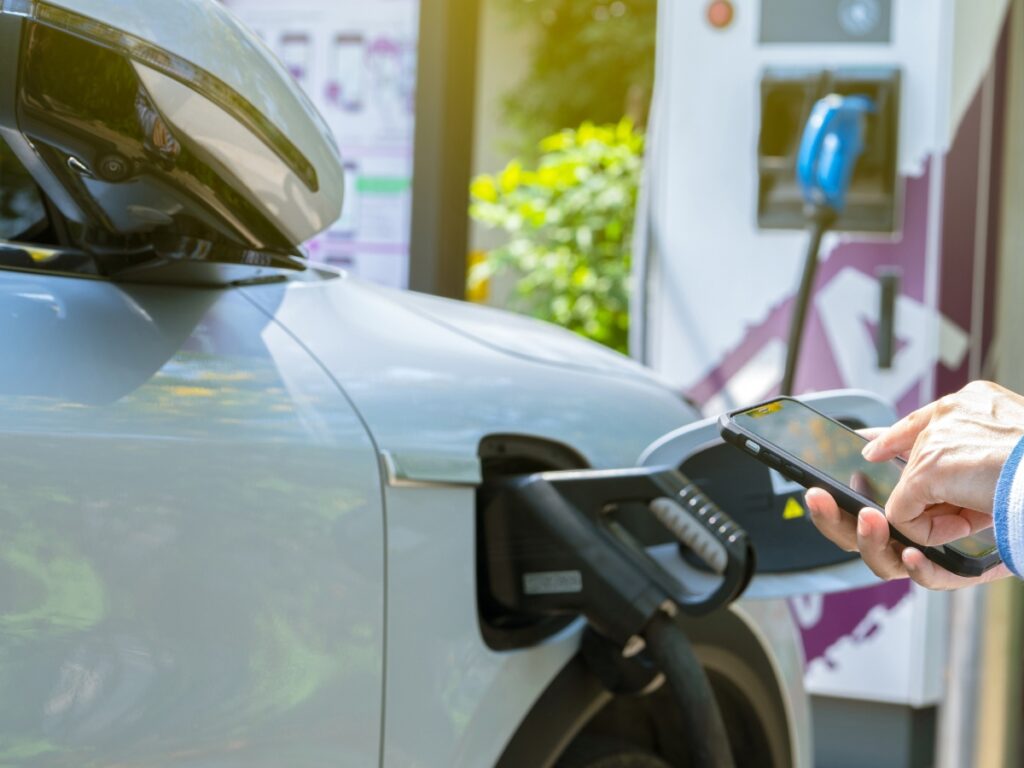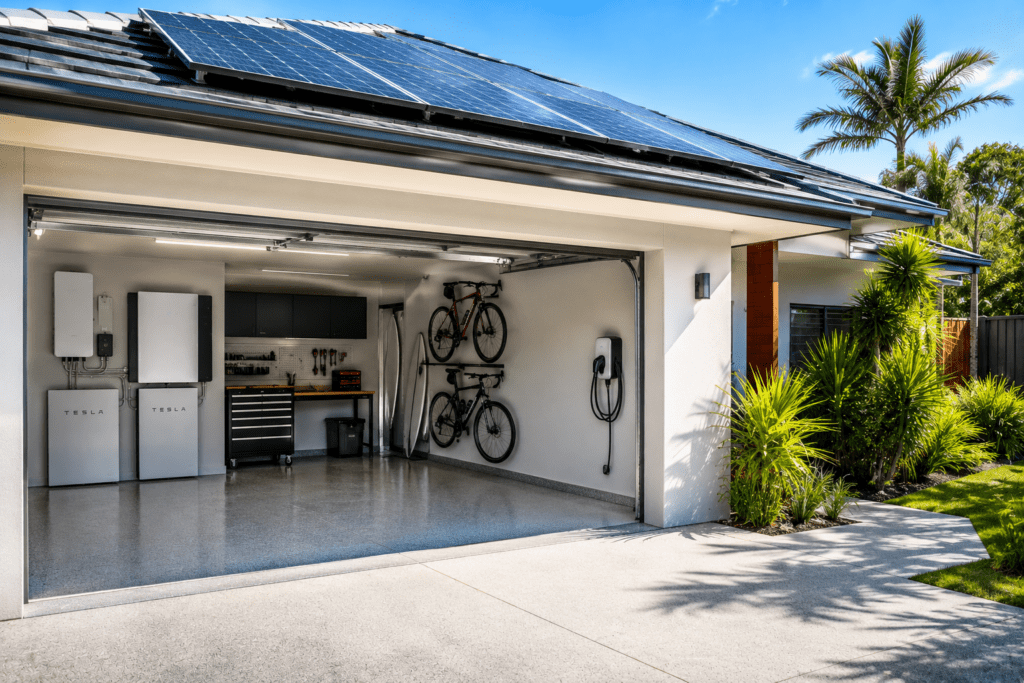
An electric vehicle (EV) is a great way to enjoy the beautiful Sunshine Coast, but you need a safe and reliable way to charge it. A professional EV charger installation Sunshine Coast homeowners can depend on starts with one question: can your switchboard handle the load?
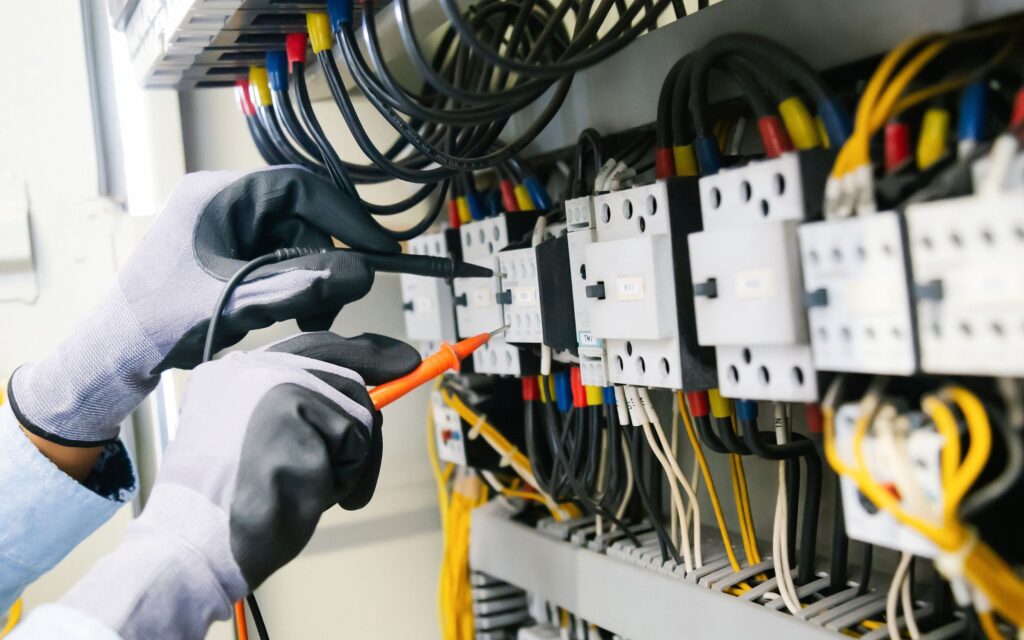
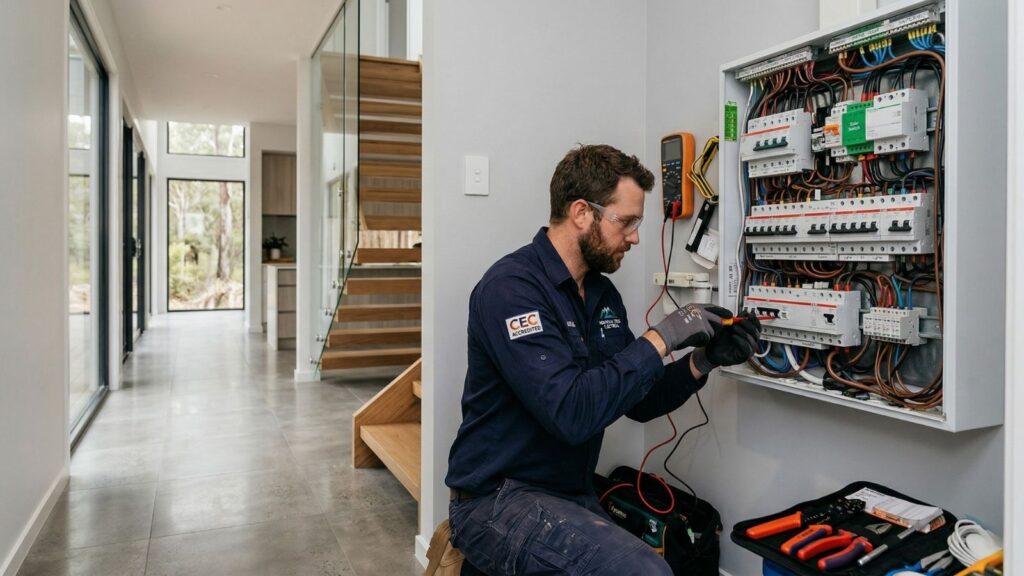
To determine if your switchboard is ready, a licensed electrician must perform an assessment. They check for outdated components like ceramic fuses, confirm there’s enough capacity for a new dedicated circuit, and verify that modern safety switches are in place.
This guide from Sunshine Coast Projects & Electrical will walk you through everything you need to know. We’ll cover why a dedicated charger is essential, how to tell if your switchboard needs an upgrade, and what to expect during the installation process. Let’s get you ready to charge at home with complete confidence.
Key Takeaways
-
Most homes require a dedicated circuit and a thorough switchboard check before an EV charger can be installed safely.
-
Older switchboards, particularly those with ceramic fuses, often need to be upgraded to handle the capacity and meet current safety standards.
-
Level 2 chargers are the most practical and efficient choice for fast and safe home charging on the Sunshine Coast.
-
Integrating your EV charger with a home solar system can make the most of your savings and use of renewable energy.
-
Always use a licensed and experienced local electrician to make certain your installation is safe, compliant, and reliable.
Jump to section
- Why Is A Dedicated Home EV Charger Essential For Sunshine Coast Drivers?
- Is Your Sunshine Coast Home’s Switchboard Ready For An EV Charger?
- Choosing The Right EV Charger For Your Lifestyle And Electrical Setup
- The Professional EV Charger Installation Process With Local Sunshine Coast Electricians
- Understanding The Cost Of EV Charger Installation On The Sunshine Coast
- Drive Towards A Greener Future With Confidence
- Frequently Asked Questions
Why Is A Dedicated Home EV Charger Essential For Sunshine Coast Drivers?
The shift to electric vehicles is accelerating across the Sunshine Coast, with more drivers embracing a cleaner, more cost-effective way to travel. From Caloundra to Noosa, the convenience of waking up to a fully charged car is undeniable. However, this convenience depends on having the right charging infrastructure at home. While it might seem easy to just use a standard power point, a dedicated, professionally installed EV charger is not just a luxury; it’s a necessity for safety, speed, and efficiency.
A dedicated charging station is engineered specifically to handle the high, continuous electrical load required to charge a large vehicle battery. This prevents the risks associated with overloading your home’s existing circuits. It provides a faster, more reliable charge and prepares your property for the future. As EVs become more common, a home charging station is quickly becoming a highly sought-after feature for homebuyers, adding real value to your property.
Why Can’t I Just Use A Regular Power Point For My EV?
Plugging your electric vehicle into a standard 240V household power point might seem like a simple solution, but it comes with significant drawbacks and safety hazards. This method, known as Level 1 charging, is not designed for the sustained, heavy power draw that an EV requires over many hours. Relying on a regular outlet can lead to serious issues that compromise the safety of your home and family.
Here’s why it’s a bad idea for daily charging:
-
Safety Hazards: Standard outlets and their wiring can overheat when subjected to a continuous high load for 8-12 hours. This creates a substantial risk of electrical fires and can cause permanent damage to your home’s wiring. Using an extension cord only increases this risk and is strongly discouraged by manufacturers and electricians.
-
Inefficiency and Time: Level 1 charging is incredibly slow. It typically provides only 10 to 20 kilometres of range for every hour of charging. This means it could take more than a full day to charge a modern EV battery, making it completely impractical for daily use.
-
Risk of Overloads: Your home’s circuits are designed to share power between multiple outlets. Charging an EV from a regular power point can easily overload a circuit, causing your safety switches to trip and cutting power to other essential appliances in your home.
What Are The Benefits Of A Professionally Installed Home EV Charger?
Investing in a professionally installed home EV charger offers many benefits that make the entire electric vehicle ownership experience much better. It moves charging from a slow, risky chore to a seamless, safe, and convenient part of your daily routine. A dedicated charger is custom-fitted to your home’s electrical system by a licensed professional, making sure it operates perfectly from day one.
The key advantages include:
-
Unrivalled Convenience: The ultimate benefit is the ability to charge your EV overnight. You can simply plug in when you get home and wake up every morning to a full battery, ready for any journey along the beautiful Sunshine Coast.
-
Faster, More Efficient Charging: A dedicated Level 2 charger is significantly faster than a standard outlet, providing between 40 to 100 kilometres of range per hour. This confirms your vehicle is always ready when you need it, even if you need a quick top-up.
-
Increased Safety and Compliance: A licensed electrician makes sure your EV charger installation Sunshine Coast home requires is fully compliant with Australian Electrical Safety Standards (AS/NZS 3000). This protects your home, your expensive vehicle, and your family from electrical hazards.
-
Increased Property Value: As electric vehicles become the norm, a professionally installed home charging station is a modern, high-value amenity. It makes your property more attractive to future buyers and adds tangible value to your home.
Is Your Sunshine Coast Home’s Switchboard Ready For An EV Charger?
Your home’s switchboard is the central hub of your entire electrical system, and its readiness is the most important factor in a safe EV charger installation Sunshine Coast residents need. An EV charger places a significant and continuous demand on your system, far greater than most household appliances. Before an installation can proceed, a professional electrician must assess whether your current switchboard has the capacity and modern safety features to handle this new load without compromising your home’s electrical integrity.
This assessment is not just a formality; it’s an important safety step. Many older homes on the Sunshine Coast have switchboards that were not designed for today’s high-power demands. Attempting to connect a powerful EV charger to an outdated or overloaded board can lead to persistent issues like tripped circuits, or far more serious dangers like electrical fires. The team at Sunshine Coast Projects & Electrical specialises in these assessments, making certain your home is fully prepared for a safe and reliable charging solution.
What Electrical Requirements Does An EV Charger Have?
Understanding the specific electrical needs of an EV charger helps clarify why a simple “plug-and-play” approach isn’t possible. Unlike a toaster or a television, an EV charger is a high-power device that runs for many consecutive hours. To operate safely and efficiently, it requires its own dedicated infrastructure within your home’s electrical system, installed by a qualified professional.
Here are the essential requirements:
-
Dedicated Circuit: An EV charger must have its own dedicated circuit running directly from the switchboard. This means it doesn’t share power with any other outlets or appliances in your home. This isolation is vital to prevent overloading circuits and confirm a stable, reliable power supply for your vehicle.
-
Higher Amperage: Level 2 chargers draw a lot of power, typically 32 amps for a standard 7kW unit. This requires heavy-duty, robust wiring (often 6mm² or 10mm² cable) and a circuit breaker that is appropriately rated to handle the continuous load safely without overheating.
-
Safety Switches (RCBOs): Modern electrical standards demand specialised safety switches for EV charger circuits. These are typically Type A RCBOs (Residual Current Breaker with Overcurrent protection), which are designed to detect the specific type of electrical faults that can occur with battery charging systems, providing an essential layer of protection for your home and vehicle.
How Do You Know If Your Switchboard Needs An Upgrade?
Identifying whether your switchboard is due for an upgrade is a key part of preparing for an EV charger. While only a licensed electrician can make a final determination, there are several common signs that homeowners can look for, especially in older Sunshine Coast properties. An outdated switchboard is not just an inconvenience; it can be a significant safety risk when adding a high-load appliance like an EV charger.
Here are some indicators that an upgrade might be necessary:
-
Older Homes and Ceramic Fuses: If your switchboard still has old-fashioned ceramic fuses that you need to replace when they blow, it is outdated and unsafe by modern standards. These systems lack the sensitive safety-trip features of modern circuit breakers and must be upgraded before installing an EV charger.
-
Limited Capacity: Take a look inside your switchboard. If you see no empty spaces for new circuits, it is likely at full capacity. Furthermore, if your power frequently trips when you run multiple appliances like an air conditioner and an oven at the same time, your system probably lacks the “headroom” or electrical capacity for the additional load of an EV charger. This is a clear sign of an overloaded system.
-
Flickering Lights or Overheating: Any signs of flickering lights, buzzing sounds from the switchboard, or a burning smell are urgent warnings that your electrical system is already overburdened and requires immediate professional attention. These symptoms indicate a serious safety issue that needs addressing immediately.
-
Our Assessment Process: The easiest way to know for sure is with a professional check. Sunshine Coast Projects & Electrical offers comprehensive home EV charger assessments. Our licensed electricians will thoroughly inspect your switchboard, wiring, and safety switches to calculate your home’s total electrical load and work out its readiness. We identify any limitations and provide clear, customised solutions. This assessment gives you a complete picture of your home’s electrical health.
Single-Phase Vs. Three-Phase Power: What Does It Mean For Your EV?
When discussing your electrical system, you may hear the terms single-phase and three-phase power. Most standard homes across Australia are supplied with single-phase power. This is perfectly adequate for typical household appliances and can comfortably support a Level 2 EV charger up to 7.4kW, which is the most common size for residential installations and adds around 40-50km of range per hour.
Three-phase power is more common in commercial properties or larger, modern homes with high energy demands. It delivers significantly more power and allows for much faster EV charging, supporting units up to 22kW. While not essential for most drivers, upgrading your home from single-phase to three-phase can be a great investment. It not only reduces charging times but also prepares your property for the future for potentially adding a second EV or other high-demand electrical systems. Sunshine Coast Projects & Electrical can assess your needs and manage the entire upgrade process.
Choosing The Right EV Charger For Your Lifestyle And Electrical Setup
Once you’ve confirmed your switchboard is ready, the next step is selecting the right EV charger. The market offers a wide variety of options, and the best choice depends on your driving habits, your vehicle, and your budget. The key is to find a balance between charging speed, smart features, and how it integrates with your home’s existing electrical and solar systems.
For the vast majority of Sunshine Coast homeowners, a Level 2 charger is the ideal solution. These units provide the perfect blend of speed and safety for daily use. Beyond the power rating, you’ll also want to consider features like whether the cable is attached (tethered) or separate (untethered), and whether it has ‘smart’ capabilities like app control and solar integration. A professional electrician can help you navigate these choices to find a charger that perfectly suits your needs.
Level 2 Chargers: The Best Option For Sunshine Coast Homes
Level 2 chargers are the gold standard for residential EV charging, offering a massive improvement in speed and safety over a standard wall outlet. They are the most practical and popular choice for homeowners, making sure your car is fully charged and ready to go each morning. These chargers require professional installation and a dedicated circuit, guaranteeing they operate within your home’s safe electrical limits.
Here’s what to consider when choosing a Level 2 charger:
-
Power and Speed: Level 2 chargers typically range from 3kW to 22kW. For most homes with single-phase power, a 7kW unit is the sweet spot, providing a full charge overnight for most EVs.
-
Tethered vs. Untethered: A tethered charger has a permanently attached cable, offering maximum convenience—just grab and plug. An untethered unit is a socket that requires you to use the portable cable that came with your car, offering a cleaner look and more flexibility.
-
Smart Features: Many modern chargers are Wi-Fi enabled. This allows you to use a smartphone app to schedule charging for off-peak electricity times, track your energy usage, and even lock the charger to prevent unauthorised use. These features can significantly reduce your running costs.
-
Leading Brands We Install: Our team has extensive experience installing all major charger brands. We can help you choose from top-quality units like the sleek Tesla Wall Connector, the solar-smart Zappi, the compact and user-friendly Wallbox, or the robust and weather-resistant ChargeAmps, which is perfect for our coastal environment.
Can You Integrate Your EV Charger With Home Solar Power?
Absolutely! One of the biggest advantages of living on the Sunshine Coast is the abundance of solar energy. Integrating your EV charger with your home solar system is the ultimate way to reduce your vehicle’s running costs and your carbon footprint. Instead of pulling electricity from the grid, you can power your car for free using the clean energy generated on your own roof.
To make this work effectively, you need a ‘smart’ charger that can communicate with your solar inverter.
-
Making the Most of Savings: By charging your EV with surplus solar power, you use energy that you would otherwise export to the grid for a minimal feed-in tariff. This means you’re getting more value from your solar panels.
-
Smart Charger Integration: Smart chargers like the Zappi are specifically designed for this purpose. They monitor your home’s energy consumption and the output from your solar panels, automatically diverting only the excess solar energy to your vehicle’s battery. This ensures you’re always using your own clean energy first.
-
System Sizing: It’s important to confirm your solar system is large enough to cover both your household needs and your vehicle’s energy consumption. The team at Sunshine Coast Projects & Electrical specialises in designing and integrating solar and EV charging systems, making sure they are perfectly sized for your lifestyle.
Research exploring whether electric vehicles can support the renewable transition — such as studies asking “Can Electric Vehicles Aid the renewable energy shift” — suggests that smart charging behaviour meaningfully supports grid decarbonisation, making charging your EV with solar power a very smart financial decision.
The Professional EV Charger Installation Process With Local Sunshine Coast Electricians
A safe and compliant EV charger installation Sunshine Coast homes require follows a clear, professional process from start to finish. This isn’t a simple DIY job; it involves working with high-voltage electricity and requires a deep understanding of Australian standards to confirm the safety of your home and vehicle. Choosing a licensed, local electrician guarantees that every step is handled with expertise and care.
The process is designed to be seamless and transparent, giving you complete peace of mind. It begins with a thorough on-site assessment to understand your specific needs and evaluate your home’s electrical system. From there, your electrician will provide a detailed plan and quote, carry out the installation to the highest safety standards, and provide a full demonstration to make sure you’re comfortable with your new system. At Sunshine Coast Projects & Electrical, we manage this entire process for you.
What Happens During An EV Charger Site Assessment?
The site assessment is the important first step in any professional EV charger installation. This is where a licensed electrician visits your home to gather all the information needed to design a safe, efficient, and compliant charging solution customised specifically to you. It’s a comprehensive check that makes sure there are no surprises on installation day.
Here’s what our process involves:
-
In-Depth Discussion: We start by talking with you to understand your needs. We’ll ask about your EV model, your daily driving habits, and where you would prefer the charger to be located for maximum convenience. This helps us plan the optimal setup.
-
Comprehensive Electrical Inspection: Our electrician will conduct a thorough inspection of your switchboard, checking its overall capacity, the condition of the wiring, and the type of safety switches installed. This is the point where we determine if your switchboard is ready or if an upgrade is needed. This load assessment is vital.
-
Identifying Potential Issues: We carefully examine the proposed location for the charger and plan the best route for the new cabling. We look for any potential installation challenges, such as drilling through double-brick walls or running conduit underground, and discuss solutions.
-
Obligation-Free Quote: After the assessment, you will receive a transparent and detailed quote. This document will clearly outline the full scope of work, including all materials, labour, and any necessary switchboard upgrades, so you know exactly what to expect.
Why Is A Licensed, Local Electrician Crucial For EV Charger Installation?
When it comes to installing an EV charger, the importance of hiring a licensed and experienced local electrician cannot be overstated. This is a complex, high-power electrical task where mistakes can have severe consequences, including fire hazards and damage to your vehicle’s sensitive electronics. A professional installation is not just a recommendation; in Australia, it is a legal requirement.
Here’s why you should always trust a professional like Sunshine Coast Projects & Electrical:
-
Complete Safety & Compliance: EV charger installation must strictly adhere to the Australian Electrical Safety Standards (AS/NZS 3000). A licensed electrician guarantees that your installation is 100% compliant and safe. Upon completion, we provide a Certificate of Electrical Safety for your records and peace of mind.
-
Decades of Local Expertise: With over 20 years of experience serving the Sunshine Coast, our team, led by Master Electrician Charlie Doblo, possesses an in-depth understanding of local building codes, energy provider requirements, and the distinct challenges of our coastal environment. We know what works best for homes here.
-
End-to-End Solutions: We provide a completely seamless experience. From the initial site assessment and helping you select the right charger to the final installation and user demonstration, our team handles every detail, making the process hassle-free for you.
-
Guaranteed Quality: We are committed to the highest standards of workmanship. We stand by our work with a 12-month guarantee, making sure your installation is done correctly the first time and provides reliable performance for years to come.
Understanding The Cost Of EV Charger Installation On The Sunshine Coast
One of the first questions homeowners ask is about the cost of installing a home EV charger. The total investment can vary because every home and installation is unique. Providing a transparent breakdown of the factors that influence the price helps you understand what you are paying for and confirms there are no hidden surprises. A reputable electrician will always provide a detailed, itemised quote after a thorough site assessment.
The final cost is a combination of the hardware you choose and the specifics of your property’s electrical system and layout. While a basic installation is straightforward, factors like an outdated switchboard or a long distance from the switchboard to the garage can add to the complexity and cost. It’s also worth investigating potential government rebates that can help make the transition to home charging more affordable.
What Factors Influence The Price Of Your EV Charger Installation?
The final quote for your EV charger installation is determined by several key variables specific to your property and preferences. Understanding these components will help you see why a one-size-fits-all price doesn’t exist and why an on-site assessment is so important for an accurate quote.
These are the main factors that affect the total cost:
-
Charger Hardware: The price of the Level 2 charging unit itself is a major component. Costs can range from around $800 for a basic model to over $2,500 for a premium smart charger with advanced features like solar integration, app control, and load balancing.
-
Switchboard Upgrades: If your existing switchboard is old, has ceramic fuses, or lacks the capacity for a new dedicated circuit, it will need to be upgraded to meet current safety standards. This is a vital safety step that will impact the overall cost.
-
Cable Run Length and Complexity: The distance from your switchboard to your garage or carport directly affects the amount of heavy-duty copper cabling required. More complex cable runs, such as those that need to go through wall cavities, under concrete paths, or up to a second storey, will require more labour and materials.
-
Electrical Capacity & Power Phase: In most cases, a home’s existing single-phase power is sufficient. However, if you opt for a faster 22kW charger or your home has high overall energy demands, an upgrade to three-phase power may be necessary, which would influence the final investment.
Are There Government Incentives For Home EV Chargers In Queensland?
Yes, the Queensland Government often provides incentives to encourage the uptake of electric vehicles and associated charging infrastructure. These programs are designed to help reduce the upfront costs for homeowners, making the switch to electric transportation more accessible. It’s always a good idea to check for the latest information, as these schemes can change over time.
Here’s what you should know:
-
Queensland Government Rebates: Programs like the QLD Government’s Zero Emission Vehicle Rebate Scheme have historically offered rebates for the purchase of eligible EVs. While these schemes sometimes include support for charger installations, the specifics can vary.
-
Stay Informed: The best source for the most current information is the official Queensland Government website. We recommend all homeowners check there to see what rebates or incentives they may be eligible for at the time of their installation.
-
Sunshine Coast Projects & Electrical Can Advise: While we don’t process the applications, our team stays informed about major local and state incentives. During your consultation, we can offer guidance on any relevant programs that may help you save money on your project.
Drive Towards A Greener Future With Confidence
Making the switch to an electric vehicle is an exciting step towards a more sustainable future. A professionally installed home EV charger completes the experience, offering unmatched convenience, safety, and long-term savings. By making sure your home’s electrical system and switchboard are fully prepared for the task, you can enjoy all the benefits of EV ownership with complete peace of mind.
Ready to get started? Contact Sunshine Coast Projects & Electrical today. As your local experts, led by accredited Master Electrician Charlie Doblo, we provide professional assessments and obligation-free quotes. Let us make sure your EV charger installation Sunshine Coast home needs is done right, so you can charge safely and drive confidently.
Frequently Asked Questions
How do I know if my switchboard can handle a home EV charger?
A licensed electrician needs to assess the switchboard, available circuit capacity, existing safety devices and the home’s overall electrical load. Older switchboards with ceramic fuses, limited space or frequent tripping may require an upgrade before an EV charger can be installed safely.
The assessment also confirms whether the property’s single-phase or three-phase supply is suitable for the charger and charging speed you want.
How long does an EV charger installation usually take?
A straightforward home EV charger installation may take several hours when the switchboard is suitable and the cable route is simple. The work can take longer if new cabling must travel a considerable distance, pass through difficult building areas or be installed underground.
A switchboard upgrade, load-management system or three-phase electrical work may also extend the installation timeframe.
Can I install an EV charger myself?
No. A permanently connected EV charger involves fixed electrical wiring and must be installed by a licensed electrician in Queensland.
Professional installation ensures the charger has a correctly sized dedicated circuit, suitable cabling, appropriate isolation and the required electrical protection. DIY installation can create electric-shock and fire risks and may invalidate equipment warranties or insurance.
What is the difference between Level 1 and Level 2 EV charging?
Level 1 charging generally uses a standard household power point and provides relatively slow charging. It may be suitable for occasional use or vehicles driven only short distances, provided the outlet and circuit have been assessed as suitable.
Level 2 charging uses a dedicated wall-mounted charger and circuit. It delivers significantly faster charging and is generally the more practical option for regular home charging.
Can an EV charger use electricity from my home solar system?
Yes. A compatible smart EV charger can be configured to use surplus electricity generated by a home solar system. This can reduce grid electricity use and increase the amount of solar energy consumed within the property.
The best setup depends on the solar system size, inverter compatibility, household electricity demand and the times when the vehicle is available for charging.
Do I need three-phase power for a home EV charger?
Most homes do not need three-phase power for everyday EV charging. A single-phase supply can usually support a suitable residential Level 2 charger, subject to the home’s available electrical capacity.
Three-phase power may be worthwhile when faster charging is required, the property has multiple electric vehicles or the home already has substantial electrical demand. An electrician can advise whether the additional cost is justified.
Does an EV charger need a dedicated circuit and safety switch?
Yes. A home EV charger normally requires its own dedicated circuit from the switchboard, with cable and circuit protection selected for the charger’s rated load.
The required RCD or RCBO protection depends on the charger design, manufacturer instructions and current electrical standards. Some chargers include certain protective functions internally, while others require additional protection at the switchboard. A licensed electrician must confirm the correct arrangement.