Safe shore‑power connections at Sunshine Coast marinas, jetties and caravan parks depend on compliant marine‑grade leads, working safety switches, regular inspections and a clear connection sequence, ideally checked by a licensed Queensland electrician. Following sound electrical safety rules for Sunshine Coast boat and caravan owners sharply reduces the risk of electric shock, equipment damage and silent faults in the water.
Salt spray, storms and DIY fixes turn small electrical issues into serious hazards around metal hulls, pontoons and caravan chassis.
This guide from Sunshine Coast Electrician explains what shore power is, how it connects to boat and caravan systems, and the main hazards around marinas, caravan parks and private jetties. You will see how RCD protection, weatherproof outlets, compliant cords and regular inspections fit together, plus exactly when only a licensed electrician should touch 240‑volt shore‑power circuits.
Keep reading to build simple habits that keep family, guests and gear safe whenever you plug in around the Sunshine Coast.
Key Takeaways
-
Why Shore Power Safety Matters On The Sunshine Coast
Boats, caravans and pontoons sit in salty, wet and cramped places where faults spread fast. A minor crack in a plug can energise ladders, handrails or the water itself. Good design, correct gear and regular checks keep those risks under control. -
Essentials Of Safe Shore‑Power Equipment And RCD Protection
Safe systems use heavy‑duty marine or caravan leads, weatherproof outlets and correctly rated RCDs (safety switches). These parts work together to cut power quickly if current leaks to metalwork or water. Without them, even basic appliances can turn dangerous beside a wet pontoon. -
Correct Connection And Disconnection Procedures
Plugging in safely is more than just “cord in, switch on”. Turning off onboard breakers first, connecting to shore outlets before the boat or caravan, then reversing that order when unplugging, reduces arcing and shock risk. A simple routine followed every time makes a big difference. -
Warning Signs And When To Call A Licensed Electrician
Shocks, tingles, repeated tripping, melted plastics, green or white deposits and burning smells are never “just quirks”. They point to faults that need prompt attention from a licensed Queensland electrician who understands marine and caravan systems. -
How Sunshine Coast Electrician Can Help Keep You Safe
As a local Sunshine Coast electrician, Sunshine Coast Electrician provides electrical safety inspections, RCD testing, outdoor electrical installations, switchboard upgrades and ongoing electrical maintenance to help keep shore‑power connections safe across local marinas and caravan sites.
What Is Shore Power And Why Does It Matter For Sunshine Coast Boat And Caravan Owners?
Shore power for Sunshine Coast boats and caravans means plugging into a 230 or 240 volt outlet at a marina, jetty, caravan park or waterfront home. Used with RCDs, marine‑grade leads and proper procedures, shore power lets you run mains appliances while keeping people safer around water and metal structures.
Understanding Shore Power, Onboard Systems And Local Conditions
Shore power is the mains supply taken from a marina power pedestal, caravan park outlet or house circuit to a boat, caravan or RV. It is always high‑voltage 230 or 240 volt AC, like a normal powerpoint at home, so it needs strict protection around water and bare feet.
Onboard systems are usually 12 or 24 volt DC batteries that run lights, pumps, radios, fridges and electronics. These DC systems supply lower voltage but often very high current, so they still need correct cabling, fusing and over‑current protection. Many boats and caravans also use chargers and inverters that link DC batteries to 240 volt appliances, and Details Design Strategy Analysis of hybrid energy systems illustrates how these configurations must be carefully engineered for efficiency and safety.
Typical shore‑power loads include:
-
Battery chargers and inverter‑chargers
-
Hot water systems and heaters
-
Air‑conditioning and dehumidifiers
-
Galley or kitchen powerpoints
-
Power tools and workshop gear on jetties
Around the Sunshine Coast that might be at Mooloolaba Marina, Kawana Waters, Noosa Marina, Pelican Waters or private pontoons on the Maroochy River and Noosa River.
Local conditions add extra stress:
-
Saltwater conducts electricity easily
-
Humidity and condensation attack insulation
-
Strong UV weakens plastic plugs and sockets
-
Movement of pontoons and boats pulls on cables
That is why marine and caravan shore‑power systems cannot be treated like standard household power and must use equipment built for wet, corrosive areas.
Legal And Standards Overview In Queensland
Queensland’s Electrical Safety Act 2002 and Electrical Safety Regulation make it clear that only licensed electricians may install or modify fixed 230 or 240 volt wiring, including marina pedestals, caravan park outlets and jetty circuits. Boat owners and caravanners may do basic visual checks but must not rewire 240 volt gear.
The core electrical rules sit in AS/NZS 3000, often called the Wiring Rules, which cover homes, businesses and the shore side of marinas and caravan parks. For boats and marinas, AS/NZS 3004 sets detailed requirements for shore‑power inlets, cords, RCD protection and earthing in marine settings. Caravans and RVs are covered by AS/NZS 3001 for transportable structures.
According to the Queensland Electrical Safety Office, installations must be safe, properly earthed and compliant with these standards before use. Sunshine Coast Electrician designs, installs and inspects shore‑power supplies in line with these rules, so local boat and caravan owners can plug in with more confidence.
“If you are not sure whether electrical work needs a licence, assume that it does and get professional advice.”
— Queensland Electrical Safety Office
What Are The Biggest Electrical Hazards With Marina And Caravan Shore‑Power Connections?
The biggest electrical hazards around Sunshine Coast marinas, caravan parks and private jetties are electric shock, electric shock in water, onboard fires, corrosion‑related faults and non‑compliant gear. Around water, even small leakage currents can turn ladders, pontoons and hulls live while remaining almost invisible.
Understanding these hazards is the first step toward safer shore‑power use for Sunshine Coast boat owners and caravanners.
Electric Shock, Electric Shock Drowning And Fire Risks
Electric shock from shore power usually starts with a damaged cord, failed RCD or faulty appliance. When insulation breaks down or earthing is missing, current can travel through a boat hull, pontoon frame or caravan chassis instead of the normal return path. Bare feet, wet decks and metal rails make that path even easier.
Electric shock in water, often called electric shock drowning, happens when leakage current passes through the water near a fault, and New Testing and Mitigation research highlights how even small leakage currents in recreational vessels present serious danger. Someone swimming near a powered berth at Mooloolaba or a private pontoon at Noosa may feel tingles at first, then muscle paralysis that stops them swimming. That is why many marinas discourage swimming near powered berths.
According to the Electric Shock Drowning Prevention Association, currents well below one amp in water can interfere with breathing and heart rhythm. RCDs that detect small leakages are a key layer of protection, but they only work when correctly installed, regularly tested and paired with sound wiring.
Fire is another major risk. Overloaded circuits, cheap power boards, non‑marine extension leads and loose terminals can overheat inside tight lockers, under bunks or behind caravan cupboards. On a boat or in a van there is usually fuel, timber and fabric close by, so a small electrical fire can spread very quickly.
Some practical ways to reduce these risks:
-
Avoid daisy‑chaining power boards on shore‑power circuits
-
Use correctly rated breakers and fuses on onboard circuits
-
Keep flammable items away from chargers and inverters
-
Get any repeated tripping or overheating checked promptly
Corrosion, Water Ingress And Non‑Compliant Equipment
Slow, hidden damage from corrosion and water ingress is a frequent cause of shore‑power faults on the Sunshine Coast. Salt spray, humid nights and waves splashing pontoons attack metal contacts inside plugs, sockets, caravan inlets and marina pedestals. That corrosion increases resistance, which creates heat, arcing and leakage current.
Water that seeps through cracked seals or loose covers can sit inside outlets for weeks. Over time, that moisture tracks across insulation and between terminals, again leading to leakage. According to Energy Queensland, wet environments demand higher inspection and maintenance levels to keep electrical gear safe.
Non‑compliant gear makes these problems far worse:
-
Household extension leads are not designed as a shore‑power connection for a boat or caravan
-
They are often undersized, not UV‑resistant and not properly splash‑resistant
-
Home‑made adaptors, rebuilt caravan inlets and any tampering with marina pedestals all add serious risk
-
Imported plugs and leads without Australian approvals can fail early or be wired incorrectly
Regular inspections by a licensed electrician, supported by owner visual checks, help find cracked insulation, burnt pins, corrosion and water entry before they lead to shock or fire.
How To Use Shore Power Safely On Boats, Caravans And At Marinas
Safe use of shore power on the Sunshine Coast comes down to three main points:
-
Compliant leads and weatherproof outlets
-
A careful plug‑in and unplug routine
-
Regular testing of RCDs and safety switches
When those basics are in place, shore power can be as safe as a home powerpoint.
The next sections walk through gear selection and daily habits that protect people, pets and equipment.
Choosing And Maintaining Safe Shore‑Power Leads, Plugs And Outlets
Shore‑power leads for boats and caravans must be heavy‑duty, flexible and correctly rated for the current they carry, usually 10 or 15 amps for most recreational setups. The cable should be UV‑resistant, coloured for visibility and clearly marked as suitable for outdoor or industrial use. Soft, thin or “indoor only” cords belong nowhere near a pontoon.
Plugs and sockets that may see spray or rain need a suitable IP rating, often IP66 in marine areas. That rating means the enclosure is dust tight and protected against powerful water jets, which suits exposed marina fingers and caravan park bollards. Domestic powerpoints inside a lounge room do not offer that level of protection.
Here is a quick comparison of proper leads versus household cords:
| Feature | Marine Or Caravan Shore Lead | Household Extension Lead |
|---|---|---|
| Cable rating | Usually 10–15 A with heavy insulation | Often light duty and lower current rating |
| Weather protection | Designed for outdoor and wet areas | Often rated only for dry indoor spaces |
| UV resistance | Formulated to handle sun exposure | Plastics can crack and fade quickly |
| Plug design | Often locking or shrouded with gaskets | Open pins and little sealing |
| Typical use | Boats, caravans, construction sites | Short‑term indoor appliance use |
| Main risks near water | Lower risk when in good condition and tested | High risk of shock, heat damage and failure |
Owners should regularly inspect shore‑power cords for:
-
Flat spots or crushed sections
-
Cuts, nicks or abrasions
-
Exposed copper or damaged sheathing
-
Green or white deposits around pins
-
Heat discolouration or soft plastic near plugs
Leads should sit off the pontoon where possible, never in the water, and should not be wound tightly on a drum while under heavy load. Sunshine Coast Electrician can test and tag leads for marinas, caravan parks and private users so they stay within Australian requirements.
According to Safe Work Australia, portable electrical equipment in harsh or wet locations should be inspected and tested more often than gear used indoors, often every 6 to 12 months.
Tip from a licensed electrician: “If you would not trust a lead on a building site, do not trust it on a wet marina.”
Safe Connection And Disconnection Procedures
A clear, repeatable routine for connecting and disconnecting shore power reduces the chance of live pins, arcing and shock. For both boats and caravans, always start with everything turned off, then bring the system online in a controlled way.
Safe connection sequence:
-
Turn the main AC breaker or safety switch inside the boat or caravan off before handling any plugs. This means your onboard wiring is not live when you connect the lead and reduces arcing at the inlet.
-
Plug the lead into the shore outlet or pedestal first, keeping your hands dry and standing on a stable surface. Check that the plug seats fully, any locking ring is closed and the cord has strain relief so it cannot pull loose.
-
Plug the other end into the boat or caravan inlet, again checking that it clicks or locks firmly. Make sure the cable runs clear of water, trip hazards and sharp edges along the pontoon or campsite.
-
Turn on the breaker at the shore pedestal or park outlet, then turn on the main AC breaker on board.
-
Press the RCD test button to confirm it trips, then reset it. If it does not trip, or will not reset, stop and call a licensed electrician.
Safe disconnection sequence:
-
Switch off the main AC breaker onboard.
-
Switch off the breaker at the shore pedestal or park outlet.
-
Unplug the lead from the boat or caravan inlet.
-
Unplug the lead from the shore outlet and stow it dry and neatly.
Never force tight plugs, never plug in with wet hands and avoid swimming near powered berths or jetties. Any tingle, shock or breaker trip should mean stopping use and calling a licensed electrician such as Sunshine Coast Electrician before reconnecting.
RCDs, Switchboards And Inspections: How Do You Keep Shore Power Compliant And Safe?
RCDs, modern switchboards and regular inspections are the backbone of electrical safety for Sunshine Coast boat owners, caravanners and waterfront residents. They reduce the chance that a single fault will cause a fatal shock or silent current flow into the water.
Without these layers in place, even good‑quality leads and outlets cannot give reliable protection.
Why RCD Protection And Modern Switchboards Are Critical Near Water
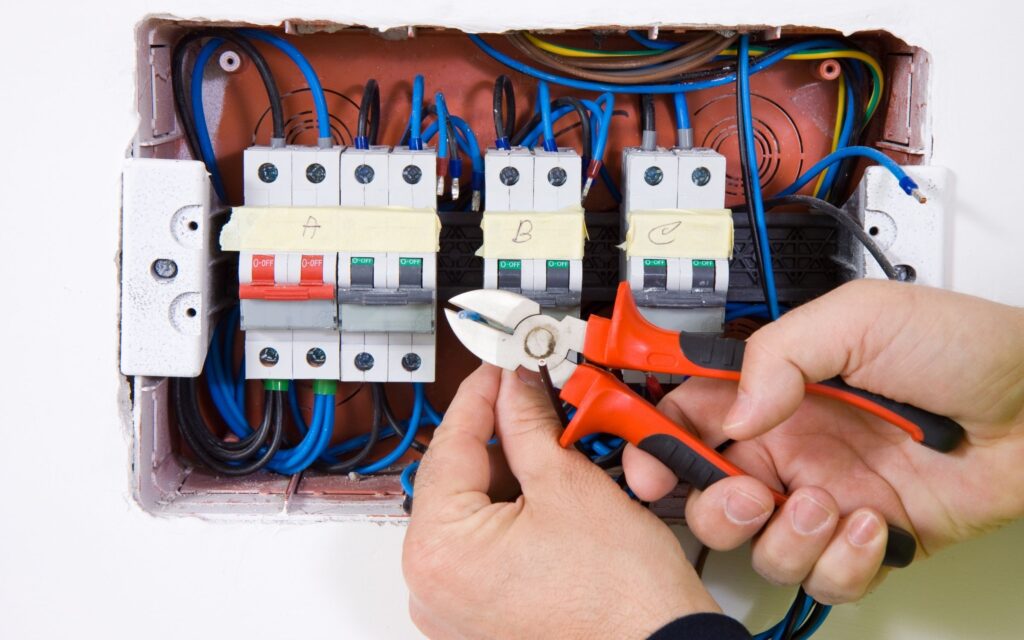
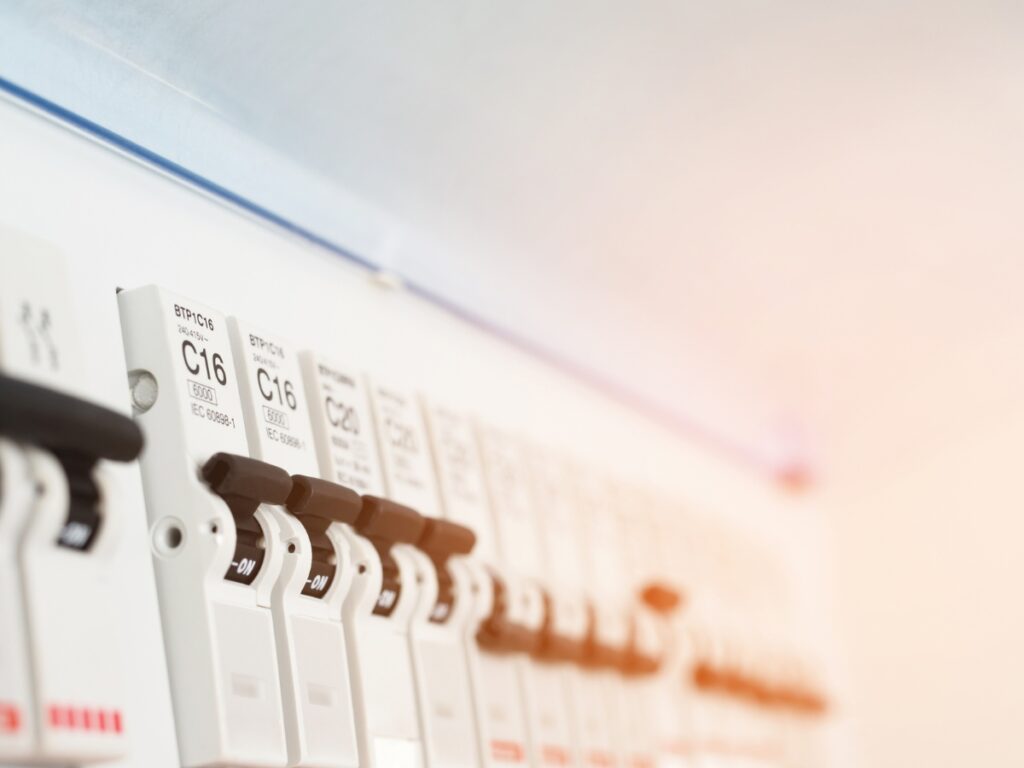
An RCD, often called a safety switch, constantly measures the current flowing out on the active conductor and back on the neutral. If a small difference appears, it means current is leaking somewhere, possibly through a person, metalwork or water, and the RCD disconnects the circuit very quickly.
Standard Australian RCDs are rated to trip at 30 milliamps of leakage, usually within 30 milliseconds, according to Energy Safe Victoria. Circuit breakers and fuses, in contrast, only protect against overloads and short circuits, not small leakage currents. That is why breakers alone are not enough around marinas, caravan parks and jetties.
AS/NZS 3000 and AS/NZS 3004 require RCD protection on socket‑outlet circuits likely to supply boats, caravans and other portable equipment, and the Details Design Strategy Analysis of boat energy systems reinforces why protective design standards are essential in hybrid marine configurations. Good practice is to have labelled RCD or RCBO protection at the main switchboard, with clear tags such as “JETTY POWER” or “MARINA SUPPLY” so power can be isolated quickly.
Old switchboards with ceramic fuses or no RCDs leave people exposed, especially at waterfront homes and older caravan parks, as the Development of a High voltage power system study demonstrates how proper electrical architecture is critical for safe marine installations. Sunshine Coast Electrician can:
-
Upgrade outdated switchboards
-
Add RCD protection to outdoor and jetty circuits
-
Install surge protection where suitable
-
Clearly label marina and caravan supply circuits
This type of switchboard upgrade is one of the most effective ways to improve shore‑power safety.
Electrical Safety Inspections, Testing And When To Call A Licensed Electrician
Regular electrical safety inspections keep shore‑power systems safer as they age in the harsh Sunshine Coast climate. For boats and caravans that use shore power regularly, an annual inspection is a sensible minimum, with more frequent checks for commercial or charter vessels.
A professional marine or caravan shore‑power inspection usually includes:
-
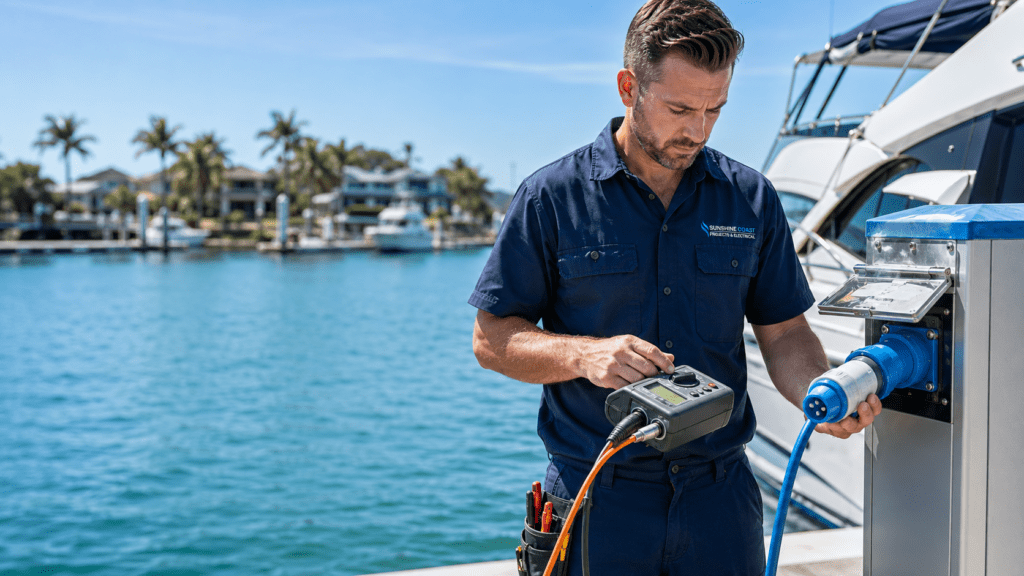
RCD testing with a meter to confirm trip times and leakage thresholds
-
Insulation resistance tests to find moisture or breakdown in cables
-
Polarity and earth continuity checks on outlets and inlets
-
A visual review of outlets, inlets, pedestals and exposed leads
-
Test and tag of portable cords and appliances where requested
Guidance from Safe Work Australia recommends inspection and testing programs for electrical equipment in harsh environments, such as wet outdoor workplaces, to keep risk as low as reasonably practicable. That same logic applies to marinas, caravan parks and waterfront homes on the Sunshine Coast.
Call a licensed electrician immediately if you notice:
-
Tingles or shocks from metalwork, taps, rails or ladders
-
Repeated tripping of RCDs or breakers
-
Burning smells near outlets, leads or switchboards
-
Visible water, insects or corrosion inside outlets
-
Storm, flood or lightning damage to jetties or switchboards
Sunshine Coast Electrician offers:
-
Planned electrical safety inspections for boats, caravans and jetties
-
RCD testing and reporting
-
Outdoor electrical installations and jetty power design
-
Electrical maintenance services and remedial repairs
Practical Shore‑Power Maintenance, Safety Checklist And Myth‑Busting
Day‑to‑day safety around shore power comes from simple owner checks backed by timely professional work. You can spot many problems early with your eyes and nose, while leaving any 240 volt repairs to a licensed Queensland electrician.
This section gives you a practical maintenance routine, a quick checklist and plain‑spoken answers to risky myths.
Simple Maintenance Tasks And A Shore‑Power Safety Checklist
Regular visual checks only take a few minutes and fit easily into normal boating or caravanning routines. Once a month during the busy season, run your eyes and hands along each shore‑power lead, inlet and visible outlet. Look for cracks, flat spots, loose covers, rust stains, green or white deposits and any signs of heat around plugs.
At waterfront homes, walk the path from the switchboard to the jetty or pontoon and inspect conduits, brackets and junction boxes. After summer storms or king tides, check for signs that water has reached outlets, cabinets or the underside of pontoons. Anything that looks flooded, twisted or badly corroded needs a visit from an electrician such as Sunshine Coast Electrician.
Shore‑power safety checklist before each plug‑in:
-
Check the entire lead from end to end for cuts, nicks, flat areas or taped sections. If you see any damage or exposed copper, stop using it and arrange repair or replacement. Never rely on tape as a permanent fix.
-
Inspect plugs and inlets for cracks, missing gaskets, loose locking rings and green or white deposits. Heat marks or melted plastic are red flags. Replace suspect parts through a licensed electrician rather than trying to rebuild them yourself.
-
Make sure the shore outlet, pedestal or caravan park bollard looks intact and dry. If covers are missing, screws are loose or you can see water or insects inside, report it to site management and use a different outlet. Never open pedestals or power pillars.
-
Confirm that RCDs at the house, marina or caravan switchboard are switched on, then press the test button to confirm they trip. Reset them only once and contact an electrician if they will not stay on or trip immediately again.
-
Route the lead so it avoids water, sharp edges and obvious trip paths. Keep coils loose so heat can escape, keep joins off the deck and avoid running multiple cords through the same tight space.
-
After connecting, do a quick smell and touch check (without opening anything): no burning smell, no excessive warmth at plugs or sockets, and no buzzing sounds.
Owners should not open switchboards, bypass RCDs, rebuild plugs or work on internal wiring. Those tasks sit firmly with licensed electricians who understand boat shore‑power safety in Australia and the local conditions on the Sunshine Coast.
Myth Vs Fact: Common Misconceptions About Shore‑Power Safety
Certain shore‑power myths keep turning up around marinas, campsites and sheds, and they create dangerous habits. Clearing them up helps everyone share safer jetties and caravan sites.
Myth 1: “240 volts near water is no different to 240 volts inside.”
Fact: Wet skin and bare feet lower body resistance and let more current flow. Shocks that might be survivable indoors can be deadly beside a wet pontoon or on a damp caravan slab.
Myth 2: “A household extension lead is fine just for tonight.”
Fact: Household cords are rarely rated for constant outdoor use, UV or splash. Using them for shore power risks overheating, insulation breakdown and hidden leakage into handrails, hulls or water. Use marine or caravan‑rated leads only.
Myth 3: “If breakers have not tripped, everything must be safe.”
Fact: Breakers do not detect small leakage currents that still threaten life. RCDs trip at much lower levels and only help when installed, tested and paired with sound wiring.
Myth 4: “I can fix a cracked plug with tape or a cheap replacement.”
Fact: Working on 230 or 240 volt gear without a licence is illegal in Queensland and exposes you and others to serious harm. Damaged plugs and inlets should be replaced by a licensed electrician using approved components.
Myth 5: “New installations do not need maintenance for years.”
Fact: Coastal conditions between Caloundra and Noosa are hard on metal and plastics. Regular electrical maintenance, inspections and test‑and‑tag programs catch problems long before they become dangerous.
Instead of guessing, Sunshine Coast Electrician encourages owners to ask questions whenever they are unsure. A quick call is far safer than trusting a myth.
Moving Forward
Safe shore‑power use for Sunshine Coast boat and caravan owners is less about fancy equipment and more about steady good habits. Compliant leads, weatherproof outlets, RCD protection and regular inspections create a solid safety net, while a clear plug‑in and unplug routine stops many everyday mistakes.
Sunshine Coast Electrician helps tie those elements together for local marinas, waterfront homes and caravan parks across the Sunshine Coast and surrounding areas. The team can:
-
Assess existing shore‑power supplies and jetty circuits
-
Carry out electrical safety inspections for boats and caravans
-
Perform RCD testing and reporting
-
Design and install safe outdoor electrical installations
-
Complete switchboard upgrades and ongoing electrical maintenance
For owners with solar or EVs, a licensed electrician can also integrate shore‑power chargers with home solar, batteries and EV chargers without overloading supplies or breaching standards, reflecting approaches documented in the Development of a High voltage power system research for modern marine electrical integration.
Conclusion
Electrical safety for Sunshine Coast boat and caravan owners does not need to feel out of reach. By choosing compliant shore‑power equipment, using RCDs, following a consistent connection sequence and booking regular inspections, you sharply cut the chance of shocks, fires and gear failure.
Sunshine Coast Electrician brings strong local experience to marina, caravan and waterfront work, backed by professional workmanship and up‑to‑date knowledge of Queensland regulations and Australian Standards. Before you next connect at a local marina, caravan park or private jetty, arrange a professional electrical safety inspection so you can plug into shore power with more confidence and peace of mind.
Frequently Asked Questions
Question: How Often Should I Have My Boat Or Caravan Shore‑Power System Inspected On The Sunshine Coast?
You should have a regularly used boat or caravan shore‑power system professionally inspected at least once a year. High‑use charter vessels, liveaboards and commercial setups may need checks every six months. Coastal conditions speed up corrosion and insulation damage, so inspections by a licensed electrician familiar with marine and caravan standards, such as Sunshine Coast Electrician, are especially important.
Question: What Are The Signs That My Shore‑Power Lead Or Outlet Is Unsafe To Use?
Warning signs include:
-
Cuts, flat spots or taped sections
-
Exposed copper or crushed cable
-
Melted or darkened plastic
-
Cracked inlets or loose covers
-
Visible corrosion or green and white deposits
Operational clues are tingles, shocks, repeated RCD or breaker tripping and burning smells near outlets or switchboards. Stop using the lead or outlet immediately and arrange a professional electrical safety inspection before reconnecting anything.
Question: Can I Use A Normal Household Extension Lead For My Boat Or Caravan Shore‑Power Connection?
No. A standard household extension lead is not suitable as a shore‑power connection. These cords are usually light duty, not UV‑resistant and lack appropriate weather protection. Near water they can overheat, let moisture into plugs and allow leakage current onto metalwork. Always use compliant marine or caravan leads and have them tested and tagged when required.
Question: Do I Really Need An RCD If My Marina Pedestal Or Caravan Park Outlet Already Has Breakers?
Yes, you still need RCD protection even when breakers are present. Breakers protect against overloads and short circuits but do not respond to small leakage currents through people or water. RCDs trip at much lower currents and far faster, greatly cutting the chance of serious shock. Current Australian standards require RCDs on circuits near water and portable equipment.
Question: What Should I Do If My RCD Or Breaker Keeps Tripping When I Plug Into Shore Power?
If an RCD or breaker keeps tripping:
-
Unplug the lead and stop resetting it.
-
Do not keep turning it back on to “see what happens”.
-
Check for obvious signs of damage, water or burning, but do not open any covers.
-
Contact a licensed electrician like Sunshine Coast Electrician to fault‑find the supply, outlets and connected equipment.
Persistent trips point to a fault such as a damaged lead, faulty appliance, water in an outlet or internal wiring problems on the boat, caravan or shore side.
Question: Is It Safe To Swim Near My Boat Or Jetty While The Shore Power Is Connected?
Swimming near powered berths, jetties or pontoons is not recommended. Leakage current from a fault can enter the water without obvious signs and interfere with breathing or muscle control. Safer practice is to:
-
Keep people out of the water near live structures
-
Switch off shore power at the pedestal before swimming
-
Report any tingles or shocks immediately to site management and an electrician
Question: When Should I Upgrade My Waterfront Home Switchboard If I Have Added A Jetty Or Boat Lift?
You should have your switchboard reviewed whenever you add significant new loads like a jetty, boat lift, large charger or EV supply. Older boards without RCDs, with ceramic fuses or with limited spare capacity are particular concerns near water. A modern switchboard with RCD or RCBO protection, surge devices and clear labels greatly improves safety. Sunshine Coast Electrician can assess your board and quote for switchboard upgrades on the Sunshine Coast.
Question: Can Sunshine Coast Electrician Help Integrate My Boat Charging With Home Solar Or An EV Charger?
Yes. Sunshine Coast Electrician can design systems that combine boat chargers with home solar, batteries and EV chargers. A licensed electrician will:
-
Calculate total demand on your supply
-
Check existing wiring and main switchboard capacity
-
Design circuits and controls that keep everything within safe limits and Australian Standards
This approach supports safe, efficient charging for your boat and caravan without overloading your Sunshine Coast property.