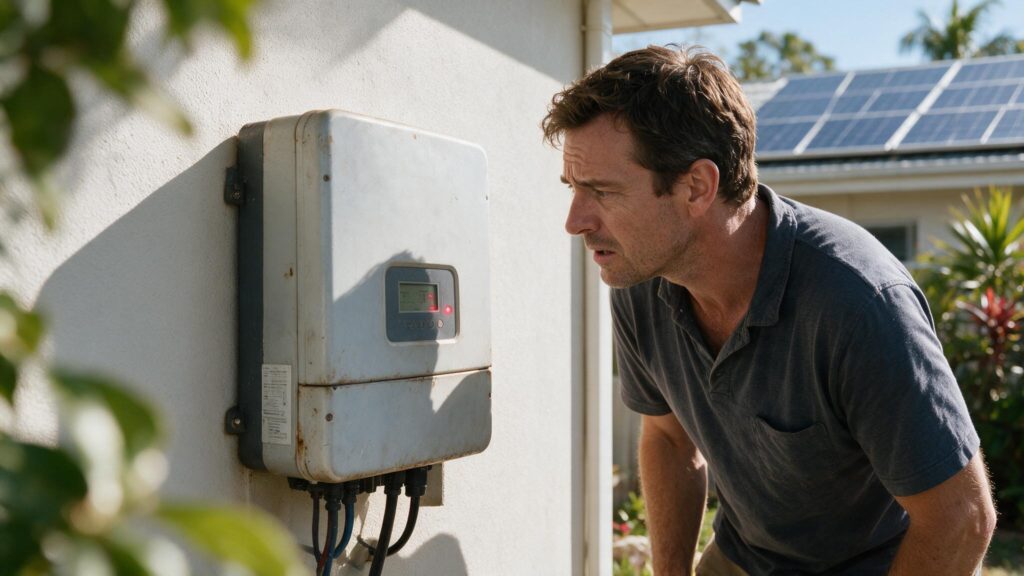
If your solar panels are the “heart” of your system, the inverter is the “brain.” It works tirelessly to convert raw energy from the sun into usable power for your home. However, on the Sunshine Coast, our high humidity and salt-laden air mean that even the best brains can get “tired” after a decade of service.
Spotting the signs that your solar inverter needs replacing early can save you from months of high electricity bills and the frustration of a sudden total system failure. In 2026, with energy prices remaining a significant household expense, ensuring your inverter is operating at 100% efficiency is more important than ever.
In this guide, we’ll help you decode the subtle warnings your inverter is sending you and explain why acting now—rather than waiting for a total blackout—is the smartest financial move.
What Happens When an Inverter Starts to Fail?
A solar inverter is a complex piece of power electronics. Unlike your solar panels, which have no moving parts and can last 25 years, an inverter has internal capacitors, cooling fans, and relays that eventually wear out.
On the Sunshine Coast, we often see “thermal stress” as a leading cause of failure. As components age, they become less efficient at handling the heat, leading to a cycle of overheating and reduced performance. If your inverter is between 8 and 12 years old, you are likely entering the “replacement window.”
Key Benefits of Early Detection
Identifying a failing inverter before it dies completely offers several advantages:
-
Preventing “Bill Shock”: A dying inverter often “derates” (slows down), meaning you pay for grid power while your solar sits idle.
-
Safety: Aging electrical components can pose a fire risk or cause “earth leakage” that trips your home’s safety switches.
-
Warranty Opportunities: If you spot a fault early, you might still be within a 10-year extended warranty period.
-
Better Technology: Replacing a 10-year-old unit with a 2026 model can increase your energy yield by up to 5–10% through better efficiency.
The 7 Red Flags: Is Your Inverter Dying?
-
The “Bill Creep” Phenomenon: If your habits haven’t changed but your quarterly bill is steadily rising, your inverter may be underperforming or “dropping out” during the day.
-
The Persistent “Red Light”: Most inverters have a status LED. While a green light is good, a solid or flashing red/orange light is a distress signal.
-
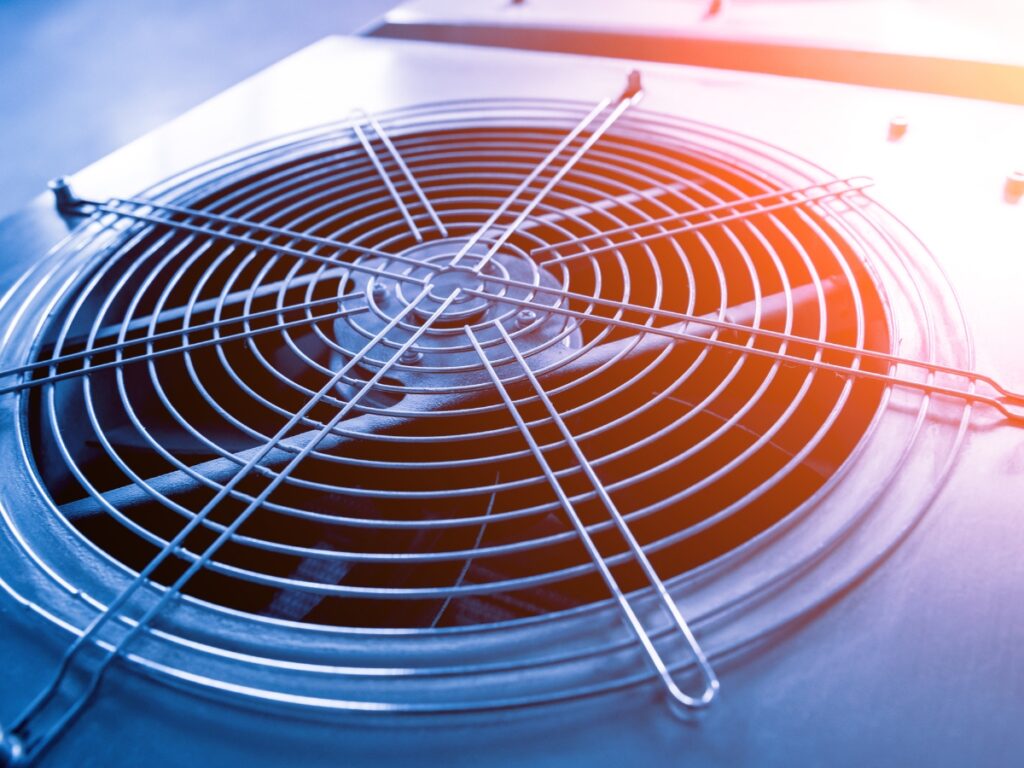
Unusual Noises: High-pitched whining, loud buzzing, or a grinding fan are all signs that internal hardware is struggling.
-
Error Codes: Codes like “Isolation Fault,” “Relay Failure,” or “DC Injection” are clear indicators of internal hardware degradation.
-
Excessive Heat: While inverters get warm, they shouldn’t be too hot to touch. If the casing is scorching, the internal cooling has failed.
-
LCD Display Fade: If your screen is blank or the characters are “bleeding,” it often indicates moisture ingress—a common Sunshine Coast issue.
-
Frequent Midday Reboots: If you notice your inverter turning off and on again during the sunniest part of the day, its internal components can no longer handle the peak current.
The Repair vs. Replace Math (2026 Costs)
When an inverter fails, many homeowners ask if it can be repaired. In 2026, the answer is usually: Only if it’s under warranty.
-
Minor Repair: (e.g., fan replacement or software update) might cost $400 – $700.
-
Major Repair: (e.g., main circuit board) can cost $1,500+.
-
Full Replacement: A brand-new, high-quality 5kW string inverter (like a Fronius or Sungrow) typically costs around $2,500 – $3,500 including professional installation and a new 10-year warranty.
Given that a new unit is significantly more efficient and comes with a decade of protection, most local experts recommend replacement over repairing a unit that is more than 7 years old.
Common Mistakes to Avoid
-
Buying “Cheap” Twice: Replacing a quality European or high-end Chinese inverter with a “budget” $800 unit from an unverified online seller is a recipe for another failure in 3 years.
-
Ignoring Moisture: If you see condensation inside the glass, don’t wait. Moisture and high-voltage DC electricity are a dangerous combination.
-
Not Checking the Isolator: Sometimes it’s not the inverter; it’s the “DC Isolator” (the switch next to it) that has melted. A professional inspection is vital to avoid replacing parts that aren’t broken.
The Replacement Process: Step-by-Step
If your solar inverter needs replacing, here is what to expect from a professional service:
-
Fault Diagnosis: We test the DC voltages from your roof to ensure your panels aren’t the problem.
-
Removal & Disposal: We safely disconnect the old unit and dispose of it according to QLD e-waste regulations.
-
New Unit Installation: We mount the new inverter, often using the existing wiring if it meets 2026 standards.
-
Compliance Check: We ensure the system meets current AS/NZS 4777.2 standards and provides “Dynamic Export” capability if required by Energex.
-
Monitoring Setup: We link your new inverter to your home Wi-Fi and set up the monitoring app on your phone.
Why Local Experience Matters on the Sunshine Coast
Our coastal environment is a graveyard for poorly installed electronics. Salt-mist can penetrate even “weatherproof” seals if they aren’t installed with professional care. A local Sunshine Coast electrician knows exactly how to position your new inverter to protect it from the North-facing sun and salt spray, ensuring your second inverter lasts much longer than your first.
FAQs
1. How long does a solar inverter typically last?
In Australia, string inverters usually last between 8 and 12 years. Factors like installation location (shade vs. sun) and the local salt air can influence this lifespan.
2. Is it worth repairing an inverter out of warranty?
Generally, no. The cost of labor and parts for a major repair often approaches 50-60% of the cost of a new unit which would come with a fresh 10-year warranty.
3. What is an “Isolation Fault” code?
This is common on the Coast. It means moisture has likely entered the system, or there is a nick in a cable. It causes the inverter to shut down to prevent a fire or electric shock.
4. Can I upgrade to a “Battery Ready” inverter when I replace my old one?
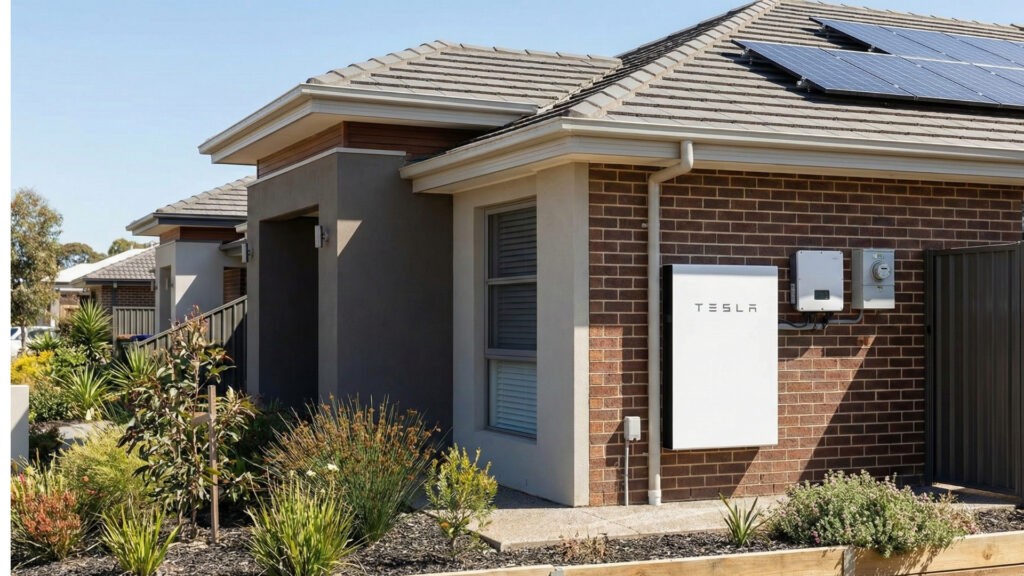
Yes! If your old string inverter dies, replacing it with a Hybrid Inverter is a smart way to “future-proof” your home for a battery later in 2026.
5. Will my new inverter work with my old solar panels?
In 95% of cases, yes. A professional installer will check the “string voltage” of your old panels to ensure they are compatible with the input requirements of a modern 2026 inverter.
Final Thoughts
A failing inverter doesn’t have to be a disaster. By recognizing the signs that your solar inverter needs replacing—like unusual heat, error codes, or a sudden rise in bills—you can take control of your home’s energy. Upgrading to a modern, efficient unit in 2026 not only restores your savings but also gives you access to the latest smart-home monitoring features.