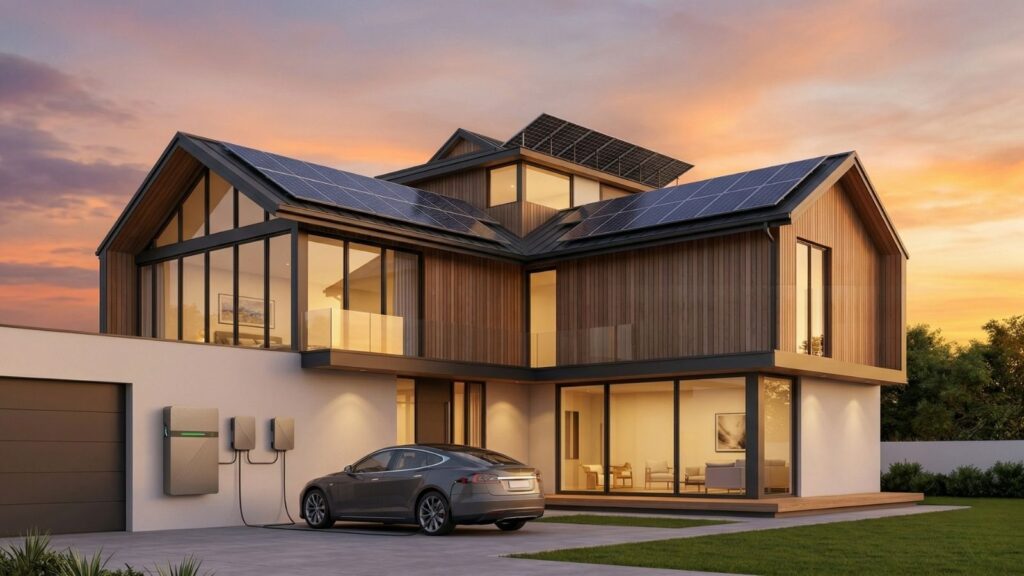
The Sunshine Coast lifestyle is built around the water, but while the sea breeze is refreshing for us, it’s one of the toughest environments for electrical equipment. If you’ve invested in solar to combat rising energy prices in 2026, you might think of it as a “set and forget” asset. However, the reality of living in a coastal zone means that knowing when to service your solar system on the Sunshine Coast is the difference between a 25-year lifespan and a premature system failure.
In 2026, with the introduction of more complex hybrid inverters and home batteries, regular maintenance has shifted from a “good idea” to a “mandatory requirement” for many manufacturer warranties. Whether you are in a beachfront apartment in Mooloolaba or a leafy block in Buderim, understanding the local maintenance variables is key to keeping your power bills low.
Why Coastal Areas Need Special Attention
Most national guidelines suggest a solar service every two years. However, the Sunshine Coast is not a “standard” environment. Our region faces three specific environmental stressors that inland areas do not:
-
Salt-Mist Corrosion: Salt is a conductor. When it settles on your solar frames, mounting clips, and electrical isolators, it can lead to “tea-staining” (surface rust) or, worse, internal corrosion that causes electrical arcs.
-
High Humidity & Mould: Our humid summers can lead to lichen and moss growth around the edges of panels. This doesn’t just block light; it can actually “lift” the glass seal over time.
-
Cyclonic Wind Loads: Our storm seasons are intense. Regular servicing ensures that the mounting hardware hasn’t vibrated loose during high-wind events, which could turn a solar panel into a dangerous projectile.
The Recommended 2026 Service Schedule
Based on Clean Energy Council (CEC) guidelines and the specific conditions of South East Queensland, we recommend the following timeline for 2026:
Every 3–6 Months (Homeowner Check)
-
Visual Inspection: Look from the ground for any visible debris, bird nests, or new shading from growing trees.
-
Inverter Health: Check your inverter screen or app. Are there any “Event Logs” or red warning lights?
-
Production Review: Compare this month’s generation to the same month last year via your monitoring app.
Every 12 Months (Professional Clean & Rinse)
-
Salt Removal: A professional soft-wash using de-ionised water to remove crystalline salt build-up. This is critical if you live within 3km of the ocean.
-
Debris Clearing: Removing leaves and twigs from behind the panels to prevent “hot spots” and fire risks.
Every 2 Years (Comprehensive Electrical Service)
-
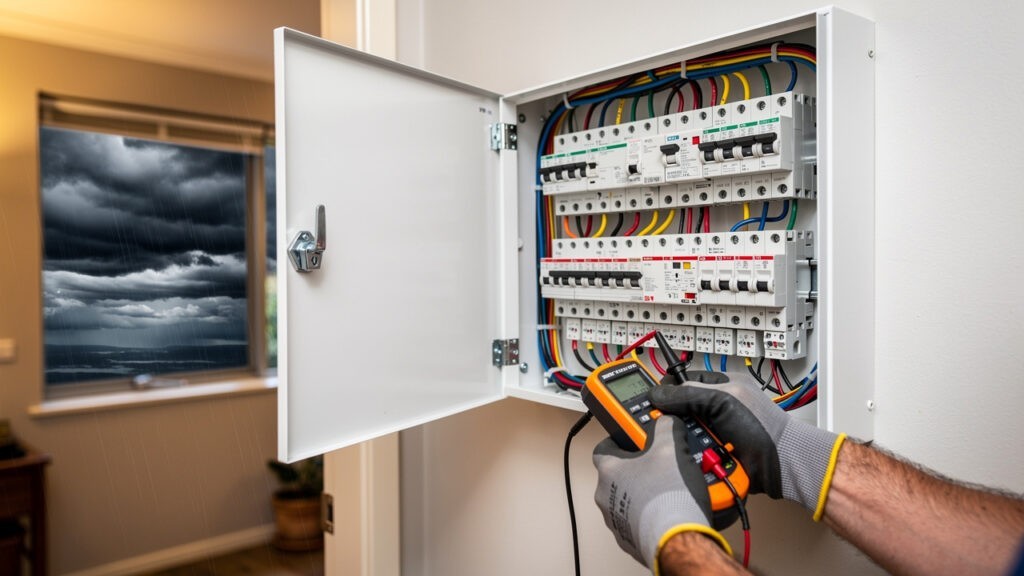
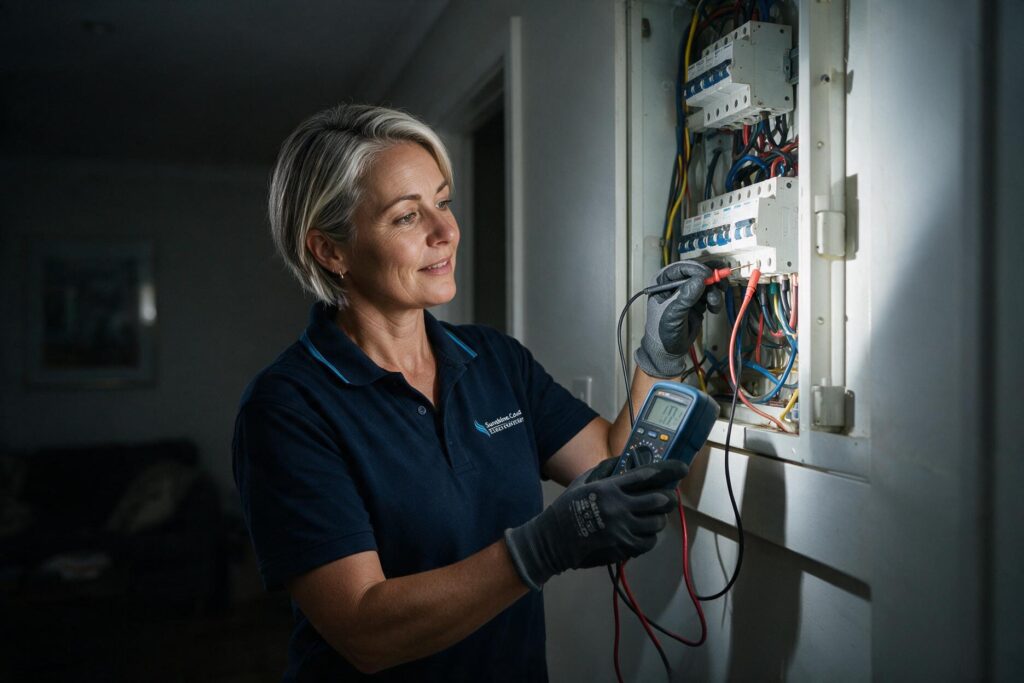
The “Health Check”: This must be done by a licensed solar electrician. It includes testing the DC isolators, checking the integrity of the wiring, and ensuring the earthing system is still compliant with 2026 AS/NZS 3000 standards.
Key Benefits of Regular Servicing
Investing in a regular service plan isn’t just an expense—it’s an insurance policy for your energy savings:
-
Warranty Compliance: Many 2026 panel warranties (like those from SunPower or REC) require proof of professional maintenance to remain valid.
-
Safety Assurance: Solar systems operate at high DC voltages (up to 600V or 1000V). Identifying a cracked isolator or a frayed cable early prevents house fires.
-
Efficiency Boost: Removing a layer of salt and grime can immediately increase your system’s output by 5% to 15%.
-
Avoid Costly Replacements: A $200 service is much cheaper than a $2,000 inverter replacement caused by a preventable electrical fault.
Common Signs Your System Needs an Urgent Service
If you notice any of the following, don’t wait for your two-year milestone:
-
Sudden Drop in Output: Your app shows 10kWh of generation on a day that usually produces 30kWh.
-
Inverter Error Codes: Common codes like “Isolation Fault” or “Grid Volts High” often indicate a physical issue that needs an electrician.
-
Physical Noise: Rattling or whistling during high winds suggests the mounting system is loose.
-
Visible “Hot Spots”: Brown or burnt-looking marks on the solar cells themselves.
Why Local Experience Matters on the Coast
A generic “handyman” or a national cleaning franchise might not understand the specific electrical risks of a coastal solar array. Using a local Sunshine Coast solar specialist ensures:
-
Marine-Grade Knowledge: We know which mounting components are prone to corrosion and what “anodised” surfaces should look like.
-
Regulatory Alignment: We understand the specific Energex requirements for South East Queensland systems.
-
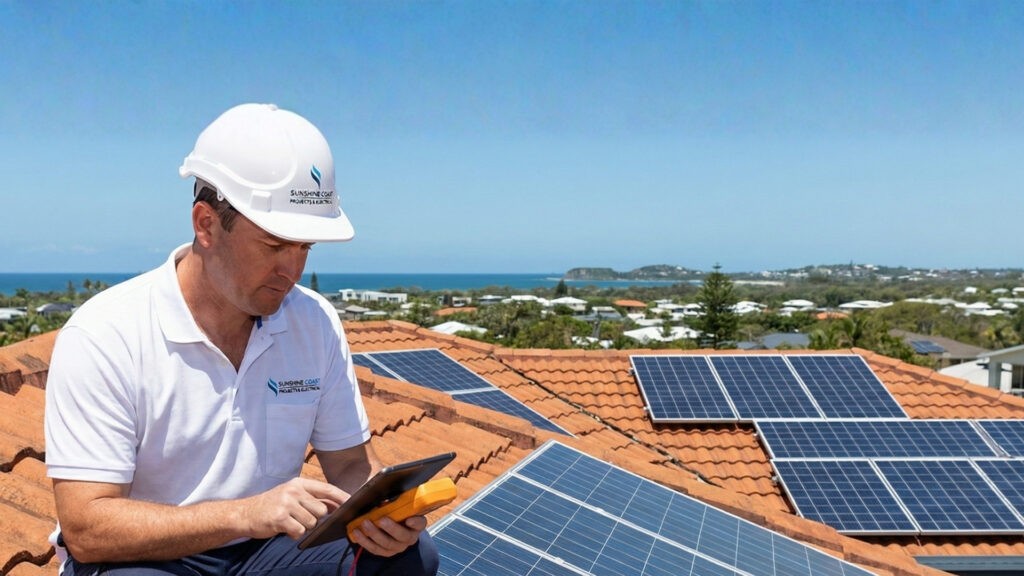
Safety Equipment: We are equipped with the correct height-safety gear required for the steep roof pitches common in local architectural homes.
How the Professional Service Process Works
-
Electrical Testing: We use specialized meters to test the “Voc” (Voltage Open Circuit) and “Isc” (Short Circuit Current) of your strings.
-
Thermal Imaging: We use infrared cameras to detect “hot spots” in panels or connections that aren’t visible to the naked eye.
-
Mechanical Check: Every bolt and rail connection is checked for torque and signs of salt fatigue.
-
Inverter Firmware Update: We ensure your inverter is running the latest 2026 software for optimal grid interaction.
-
Compliance Report: You receive a detailed report for your home insurance and warranty records.
FAQs
1. How much does a solar service cost on the Sunshine Coast?
In 2026, a standard residential solar health check and service usually ranges from $180 to $350, depending on the system size and roof accessibility. Professional cleaning is often offered as an add-on.
2. Can I just hose my panels down myself?
You can rinse them with a garden hose (never a high-pressure washer!), but only in the early morning or late evening. Hosing hot panels with cold water can cause “thermal shock,” leading to micro-cracks in the glass.
3. Does the rain clean my solar panels?
Mostly, yes. But rain cannot remove “sticky” contaminants like bird droppings or crystallized salt spray. On the Sunshine Coast, “dry” salt build-up can actually become harder to remove if it’s only lightly misted by rain rather than washed.
4. My inverter is 10 years old. Is it worth servicing?
Yes. Older systems are actually at a higher risk of electrical failure. A service can determine if your inverter is nearing the end of its life or if a simple component replacement can extend it another 5 years.
5. Will servicing my solar panels lower my electricity bill?
Indirectly, yes. By ensuring your panels are clean and your electrical connections are efficient, your system will generate more power, meaning you buy less from the grid.
Final Thoughts
Living in one of the most beautiful parts of the world comes with a “salt tax” for our technology. To truly service your solar system on the Sunshine Coast is to protect your pathway to energy independence. Don’t wait for a components failure or a significant drop in production to take action. A small investment in maintenance today ensures your system remains a high-performing asset well into the 2030s.