You’ve booked your annual pest control. Or maybe your split system air conditioner needs a service before summer hits. The tradie arrives, friendly as ever, but this time they say something new:
“G’day, just letting you know I’ll need to turn off all the power to your house before I can pop my head in the roof.”
Don’t be alarmed. They’re not being difficult. They are following a new, critical piece of Queensland safety legislation that every single homeowner needs to know about.
As of January 1, 2025, a new safety rule is in effect, and it fundamentally changes how every tradie works in your home. This isn’t just an “electrician thing.” This is for plumbers, pest controllers, A/C techs, insulation installers, and solar guys—anyone who needs to access your roof space.
As your local Sunshine Coast electrical experts, we’re not just here to fix problems. We’re here to keep you informed and safe. This law is a massive step forward for safety, but it has some major implications (especially for solar owners) that you need to be ready for.
What is the New QLD 2025 Roof Space Law?
In simple terms, the law states that a business (PCBU) or their worker must not enter a domestic roof space unless the power to the home’s electrical installation has been de-energised.
This new rule is part of the Electrical Safety (and Other Legislation Amendment) Regulation 2024 and is designed to eliminate the tragic and avoidable risk of electrocution.
- Who does it affect? Any tradie from any industry. If they’re a business or a worker (not a DIY-ing friend), they must comply.
- What does “enter” mean? Even just poking a head or hand through the manhole.
- What does “de-energised” mean? Turning off the power, typically at your main switchboard.
Why is This Happening? (The Sobering Reality)
Queensland roof spaces are hazardous. They are hot, cramped, and filled with “unseen” dangers. In the past, tradespeople have been tragically killed or seriously injured by making accidental contact with live electrical wiring, damaged cables, or faulty old equipment.
You can’t see electricity. You can’t smell it. And a non-contact voltage tester can be unreliable.
This law removes the guesswork. By making “power off” the default, it turns a high-risk environment into a safe one. It’s turning existing best practice into a legal, mandatory requirement.
Who Does This Law Affect? (Hint: It’s Not Just Electricians)
This is the most important part for homeowners to understand. This new rule will impact:
- Homeowners & Tenants: You must provide safe access to the switchboard and expect the power to be turned off for 10-30 minutes (or more) for any roof space job.
- Pest Controllers: Checking for termites or possums.
- Air Conditioning Techs: Servicing ducted systems or split system units with roof-space components.
- Plumbers & Gas Fitters: Accessing roof-space hot water systems or pipework.
- Insulation Installers: Laying batts or blow-in insulation.
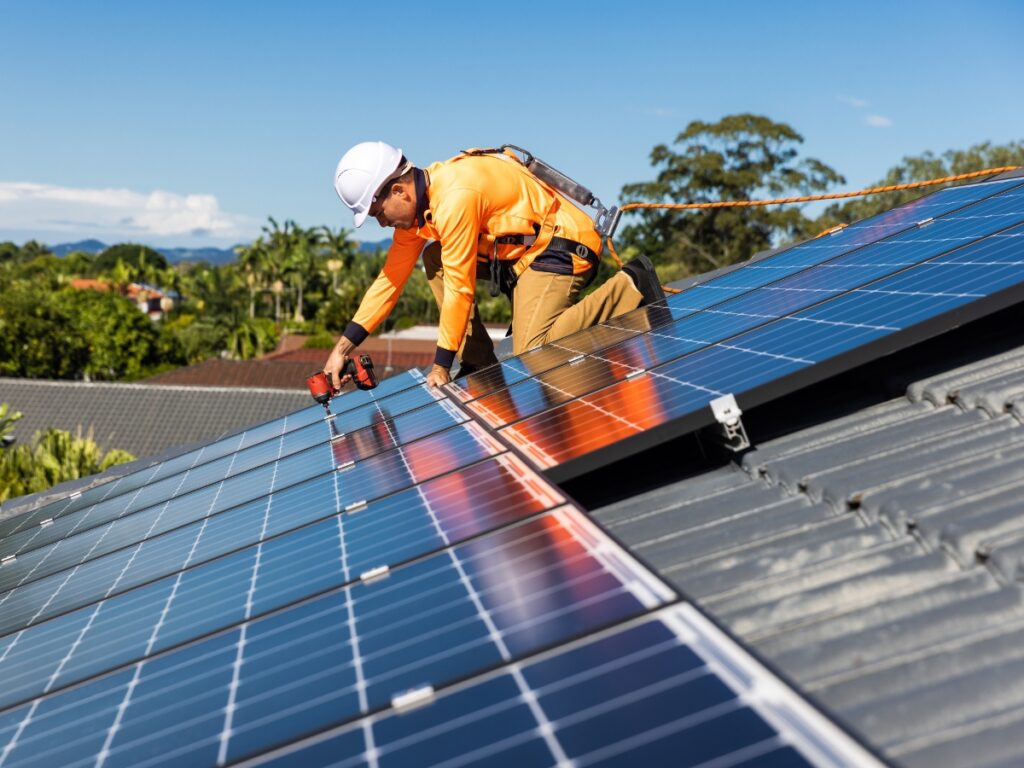
- Solar Installers: Running cables and conduits.
- Roofers & Builders: Checking for leaks or structural items.
If any of these tradies turn up and don’t ask to turn the power off, they are the ones not following the law.
The Big Complication: “My Main Switch is Off, But My Solar is Still LIVE!”
This is the critical, high-danger “gotcha” that 90% of homeowners don’t know about.
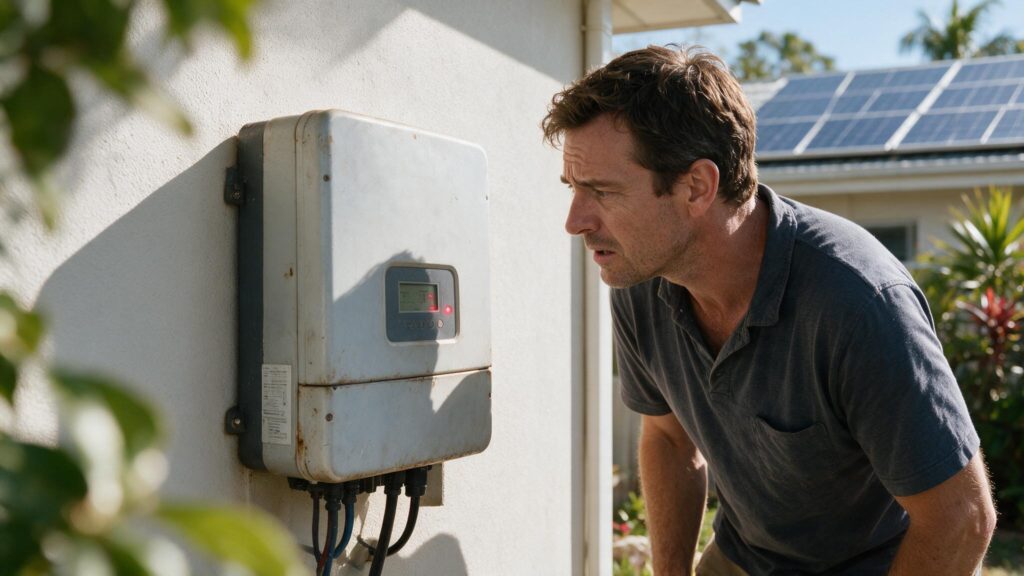
If you have a solar power system, turning off the main switch on your switchboard DOES NOT make your home safe.
- The Problem: Your solar panels generate high-voltage DC electricity. This power runs down from your roof, through your roof space, to your inverter.
- The Danger: These cables remain dangerously live (up to 600 volts DC) even when the main grid switch is off.
- The Law: The new law says the “relevant electrical installation” must be de-energised. This includes the solar components. A pest controller or a plumber cannot safely enter a roof space with live DC solar cables.
What to do: To make a roof space with solar truly safe, you need to follow the full shutdown procedure, which includes isolating the system at the AC and DC isolators.
This is not a job for a pest controller. This is a job for a licensed electrician. This is where we come in.
If you have solar, you must inform your tradie when you book the job. They may need to coordinate with us, , to attend first and perform a safe and compliant shutdown.
How This New Law Affects Your Next Tradie Visit
From January 1, 2025, here’s the new “normal” for any roof-related job:
- Plan for the Power-Off: When you book the job, expect the power to be off for 10-30 minutes. Charge your phone and laptop beforehand.
- Mention Your Solar: When booking, always state, “I have a solar system.” This alerts the tradie that a simple shutdown might not be enough.
- Clear Your Switchboard: Ensure the tradie can easily and safely access your switchboard. Don’t block it with bikes, shelves, or pot plants.
- Be Patient: This is a safety step, not an inconvenience. A compliant, safe tradie is the only kind you want working on your home.
Is Your Sunshine Coast Home “2025 Ready”?
This new law is the perfect reason to ask, “What’s actually in my roof?”
This rule is about safe access, but it highlights the dangers of what’s already up there. Old, frayed wiring, dodgy DIY jobs from the 70s, and old downlights covered in insulation are all fire and shock hazards.
The related AS/NZS 3000 Wiring Rules (the “electrician’s bible”) have been mandating things like electrical isolators for A/C units, hot water systems, and cooktops for this exact reason—to allow for safe, local isolation.
This is your chance to get ahead.
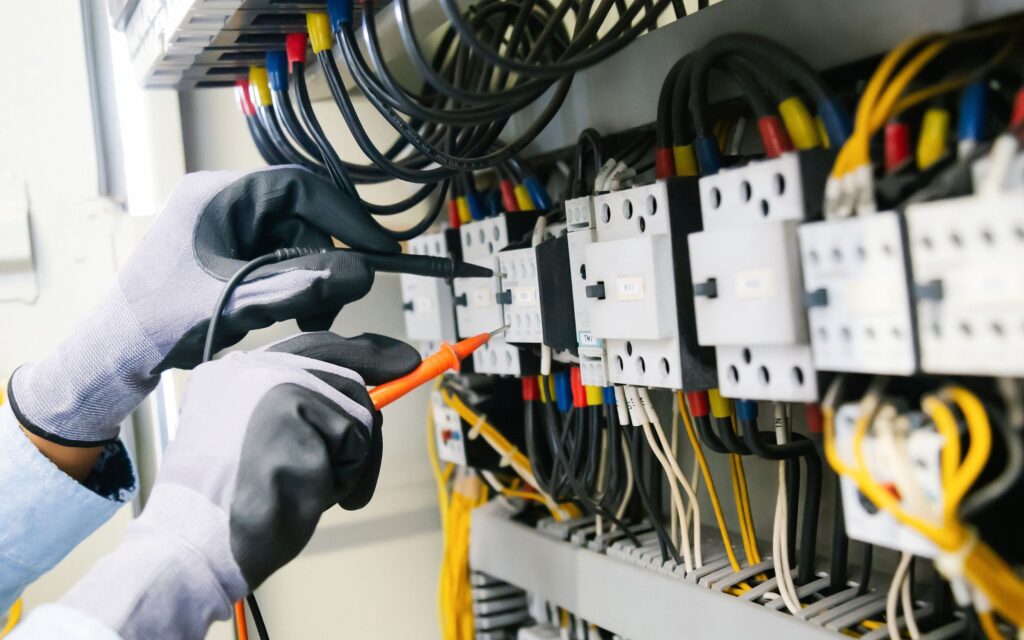
As your local Sunshine Coast electricians, we can perform a full Electrical Safety Inspection (including your roof space) to:
- Identify old, degraded, or dangerous wiring.
- Ensure your solar system has the correct, clearly-labelled isolators.
- Check your with modern safety switches.
- Install isolators for A/C units and other roof-space gear, making future servicing safer and easier.
This law is a huge step forward for safety. It’s a minor change to your day for a life-saving gain. Don’t get caught by surprise—be prepared, be informed, and most importantly, be safe.
Worried about your solar setup or old wiring? today to book a Roof Space Safety Inspection and ensure your home is 2025-compliant.
QLD Roof Space Law FAQ
What is the QLD 2025 roof space law in simple terms?
From 1 January 2025, a business or worker must not enter the roof space of a domestic property unless the relevant electrical installation has been de-energised. This means tradespeople generally need the household power turned off before entering the roof space.
When did the Queensland roof space law start?
The Queensland roof space electrical safety requirements took effect on 1 January 2025. Businesses and workers entering domestic roof spaces must follow the applicable de-energisation requirements before entering.
Does the roof space law apply to pest inspections?
Yes. The requirements are not limited to electricians. They can apply to pest controllers, plumbers, air-conditioning technicians, insulation installers, solar workers, builders and other tradespeople who need to enter a domestic roof space.
Can I turn off the main power before a tradie enters the roof space?
The main switch may be turned off as part of the de-energisation process. However, simply switching off the household mains may not isolate every electrical source, particularly where solar power, batteries, generators or other embedded energy systems are installed.
Tell the tradesperson about any solar or battery system when booking the work so the correct isolation procedure can be planned.
Are solar cables still live when the main switch is off?
Solar photovoltaic systems can contain DC cabling that remains energised while the panels are exposed to sunlight, even when the property's main switch is off. This means turning off the main household supply does not necessarily make every solar component inside or near the roof space electrically safe.
A licensed electrician or appropriately qualified solar professional may be needed to assess the installation and carry out the required isolation procedures.
What should Sunshine Coast homeowners do before a roof space visit?
Tell the business about any solar panels, batteries, generators or other electrical systems when making the booking. Make sure the switchboard is accessible, allow for a temporary power interruption and follow the instructions provided by the attending tradesperson.
Older wiring, damaged cables or unclear solar isolators should be assessed by a licensed electrician before roof space work proceeds.