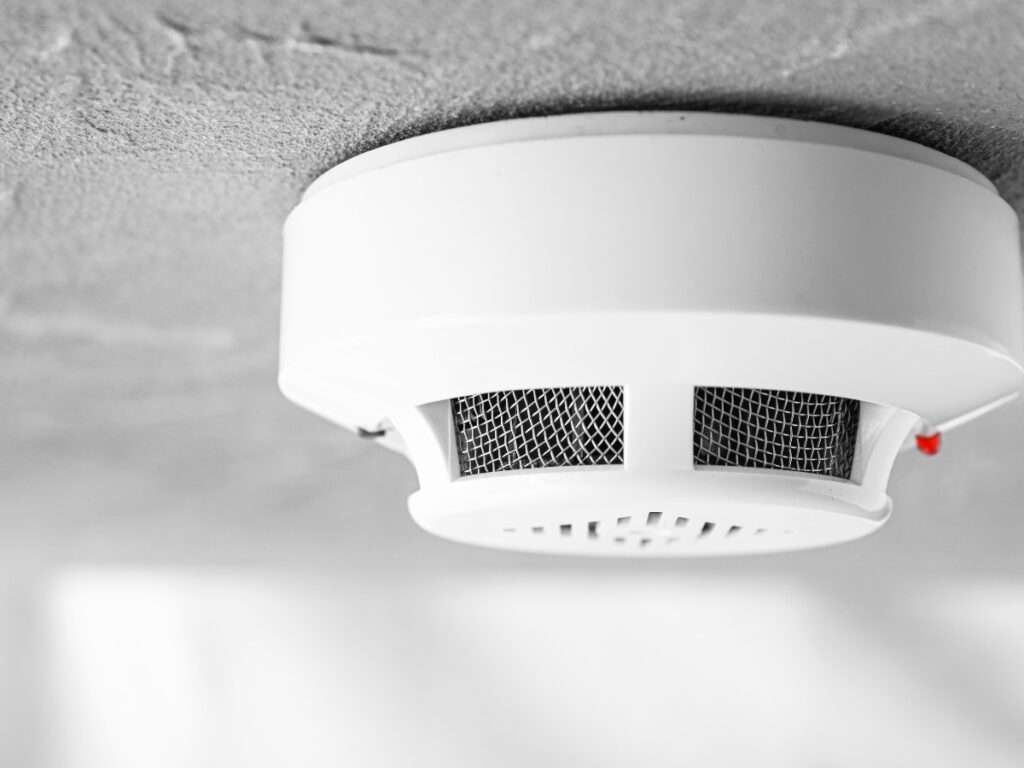
The clock is ticking on one of the most significant changes to home safety legislation in Queensland’s history. By January 1, 2027, every single residence in the state must comply with new smoke alarm laws. This isn’t just red tape—it’s a life-saving upgrade designed to provide the earliest possible warning in a fire.
Is your home ready for the deadline?
Navigating the rules can feel overwhelming, but ensuring proper Smoke Alarm Installation and Compliance is one of the most important things you can do for your family’s safety. In this guide, we’ll break down exactly what the legislation means for you, the technology involved, and why acting now is essential for every Sunshine Coast homeowner and landlord.
The 2027 Deadline: What You Need to Know About QLD’s Legislation 🗓️
The new legislation, enforced by the Queensland Fire and Emergency Services (QFES), mandates that all existing homes must have their smoke alarms upgraded to a new, higher standard by January 1, 2027.
This isn’t just about replacing an old, beeping alarm. The law requires a specific type of system designed for maximum protection. Waiting until the last minute could mean facing a rush of bookings and potential non-compliance, which carries serious risks.
Decoding the Technology: What Are Interconnected Photoelectric Smoke Alarms?
The legislation specifies that all new alarms must be photoelectric, interconnected, and either hardwired or powered by a 10-year lithium battery.
Why Photoelectric Alarms are the Standard
There are two main types of smoke alarms: ionisation and photoelectric.
- Ionisation Alarms: Are good at detecting fast-flaming fires with small smoke particles.
- Photoelectric Alarms: Are far superior at detecting smouldering fires—the most common type of house fire—which produce large amounts of smoke before bursting into flames. This is why QFES mandates them as the required technology.
The Power of Interconnection: If One Goes Off, They All Go Off
This is the most critical part of the new law. Interconnected alarms are wirelessly linked together. When one alarm detects smoke, every single alarm in the house sounds simultaneously.
“In a real fire, seconds count,” explains Charlie Doblo, our lead electrician. “If a fire starts in the kitchen, an interconnected alarm in a bedroom at the other end of the house will sound immediately, giving everyone the earliest possible warning to escape. It’s a game-changing safety feature.”
Where Must Compliant Smoke Alarms Be Installed?
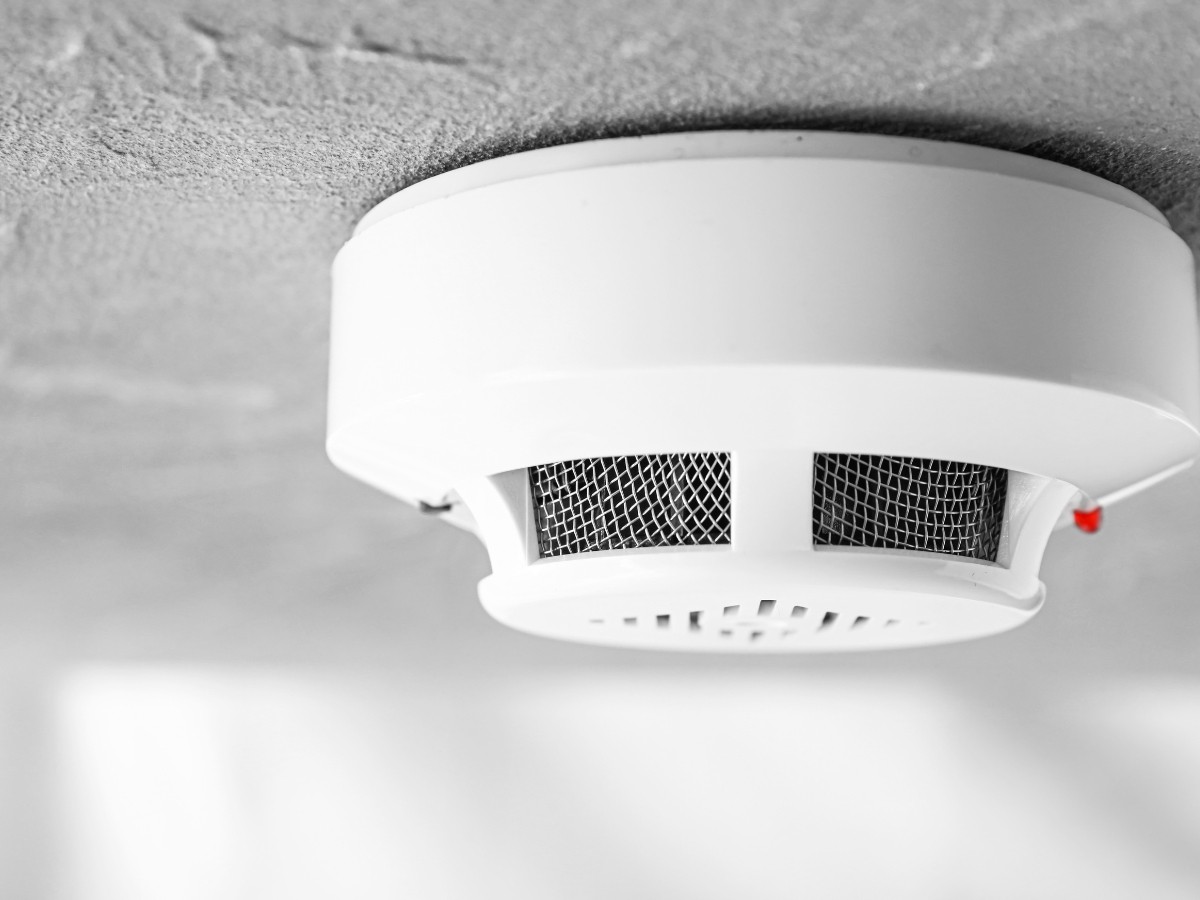
The placement of alarms is just as important as the technology. According to the legislation, alarms must be installed on each level of the home and in the following locations:
- In every bedroom.
- In hallways that connect bedrooms to the rest of the dwelling.
- If there is no hallway, between the bedrooms and other parts of the storey.
For a typical three-bedroom home, this could mean installing four or five interconnected alarms to be fully compliant.
Are Your Current Alarms Compliant? A Quick Checklist ✅
Ask yourself these simple questions:
- Are my alarms photoelectric? (Look for a “P” symbol on the unit).
- Are they interconnected, so they all sound at once?
- Are they less than 10 years old? (A manufacturing date is on the back).
- Do I have them installed in every bedroom AND in the hallways outside them?
If you answered “no” to any of these questions, your home is not compliant with the new laws.
The Risks of Non-Compliance: More Than Just a Fine
Failing to comply with the 2027 deadline has serious consequences. Beyond potential fines from local authorities, non-compliance can jeopardise your insurance policies, as most insurers require adherence to all legal safety standards. Most importantly, it puts the lives of those inside the home at an unacceptable risk.
Why You Need a Licensed Electrician for Installation
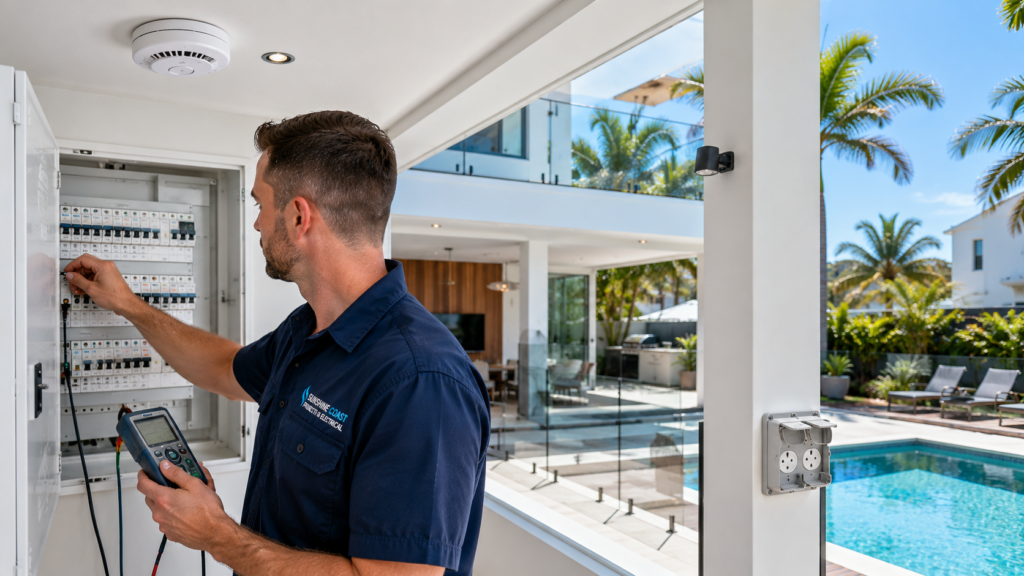
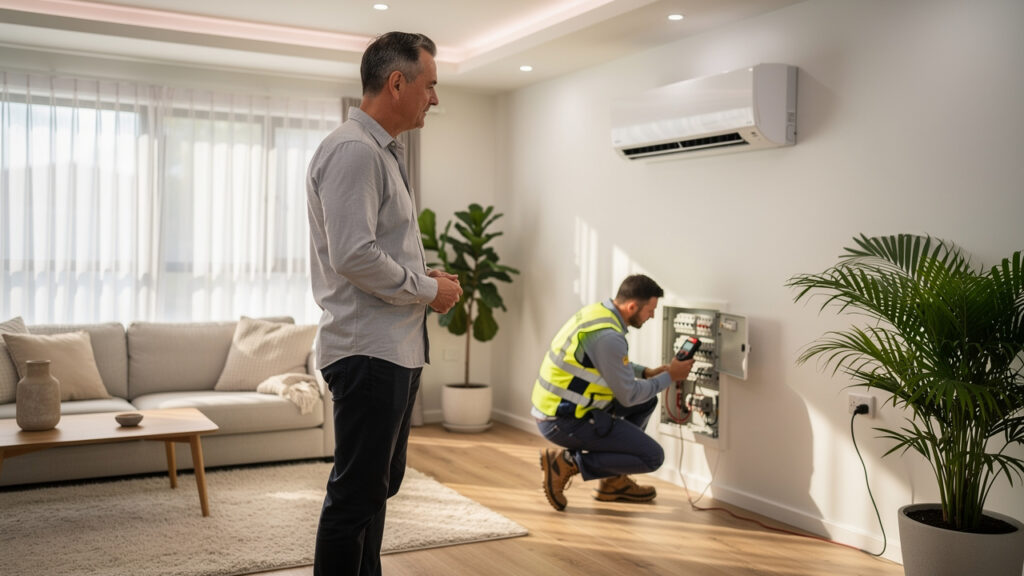
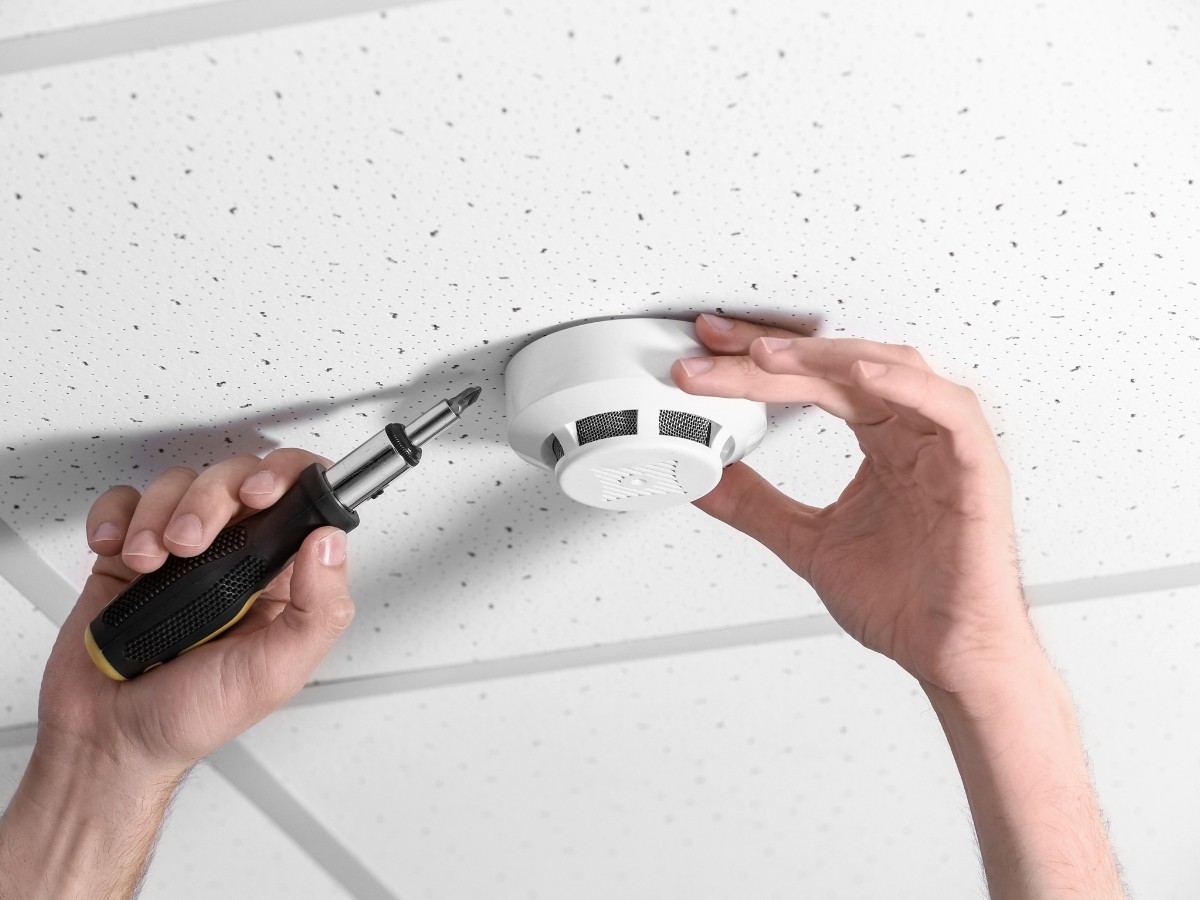
While some battery-powered alarms can be installed by a homeowner, hardwired systems must be installed by a licensed electrician. Furthermore, a professional electrician ensures that all alarms are placed correctly according to the legislation, are certified to Australian Standards, and function as a cohesive, life-saving system. This is not the place to cut corners.
Secure Your Home’s Safety with a Compliance Check
With the 2027 deadline less than 18 months away, the time to act is now. Don’t wait until the last-minute rush when installers will be in high demand.
Protect your family and your property. Contact Charlie and the team at Sunshine Coast Projects and Electrical today for a complete smoke alarm compliance check and professional installation.